With the unveiling of the Mission S, Porsche has unveiled a mid-engine concept that not only gives an advance view of where the automaker’s design is headed but also hints at a new supercar class to sit above the 911. In the company’s telling, the vehicle is no mere styling exercise; it is a statement of intent for a permanent and flexible piece of Porsche’s future range.
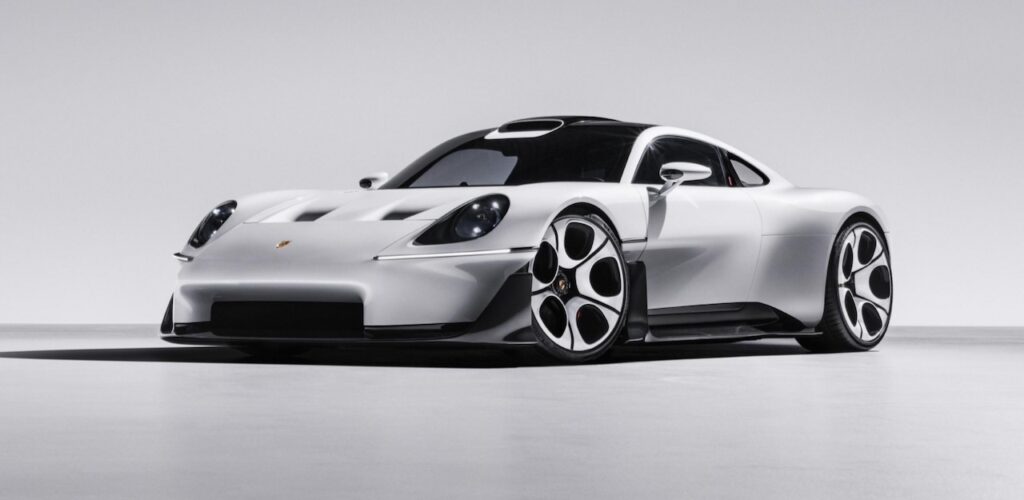
The concept was unveiled in Queens, New York, at a pier with some history for the brand. It is the same spot where the 550 Spyder was photographed in 1953 in its early days, making the American public aware of the mid-engine sports car. The Mission S is meant to honor that past while demonstrating how Porsche will take its design identity into the future.
As part of the “Sportwagenschmiede ’35” strategic realignment, the show car is built on what Porsche calls authentic, consistent and timeless principles, with the driver-car relationship being of paramount importance.
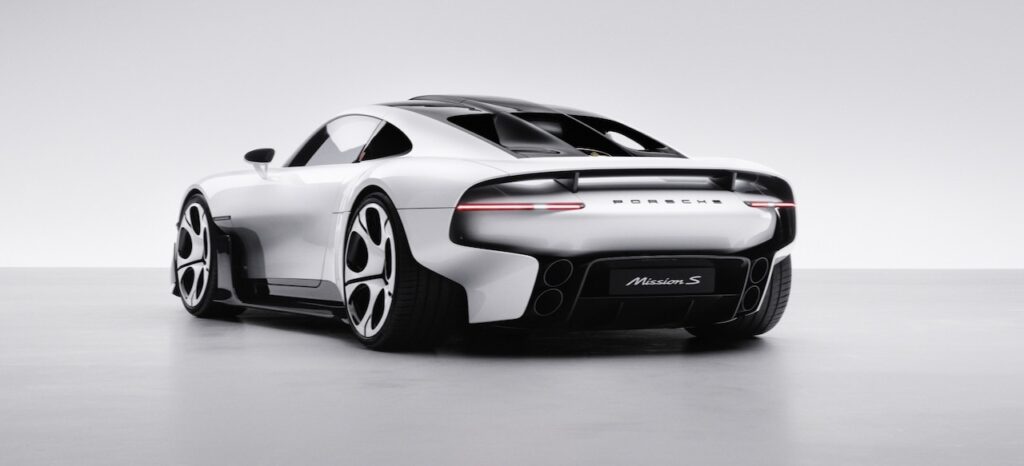
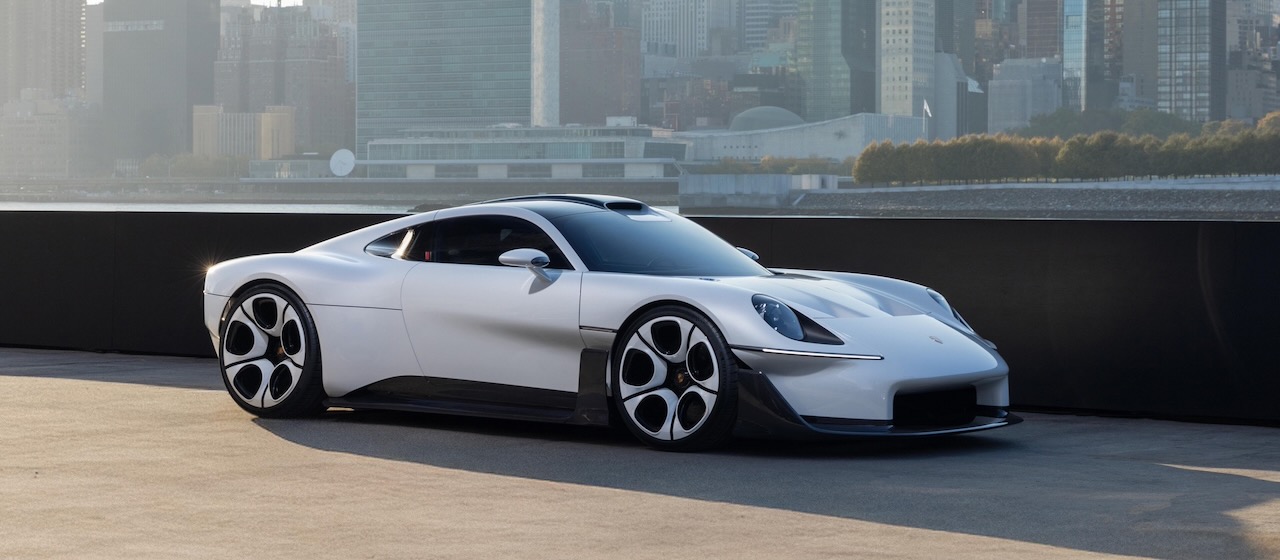
A low roof, wide stance and prominent front fenders are all part of the Mission S’s mid-engine package. The sculptural bodywork is what Porsche terms “floating volumes,” formed around an unbroken visual line from the front to the rear lights.
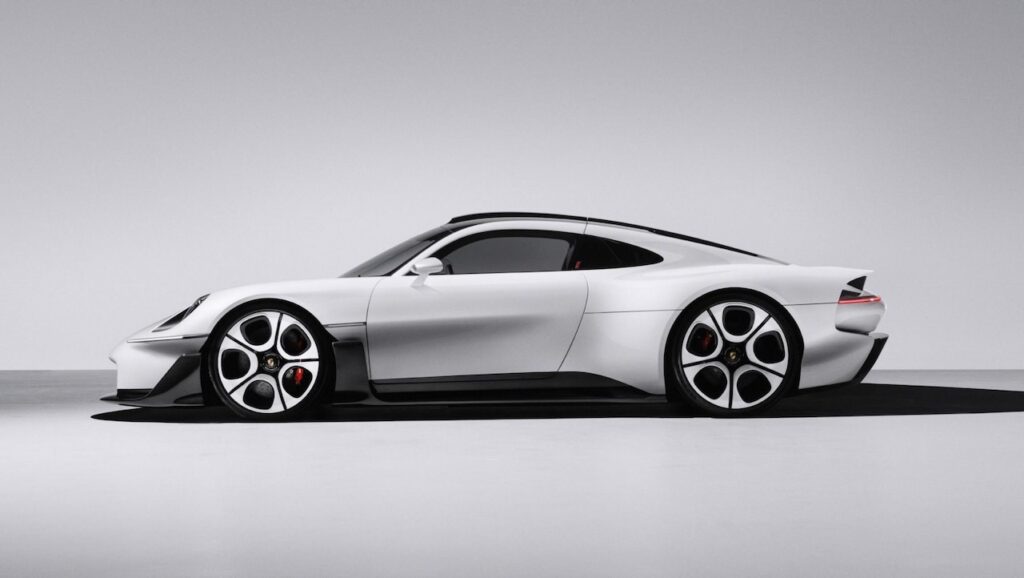
There are winks to some of Porsche’s better known models. The 911 is recalled in the round headlights and fenders, the GT1 in the flat nose and a feature at the back. The 959 informs the roofline. Then there is the active rear wing and cooling set-up, designed to bring to mind the 917’s radiator fan, which the company says marries function and style. Even the wheels are a reworking of the 928’s “dial” pattern, done in a lighter build.
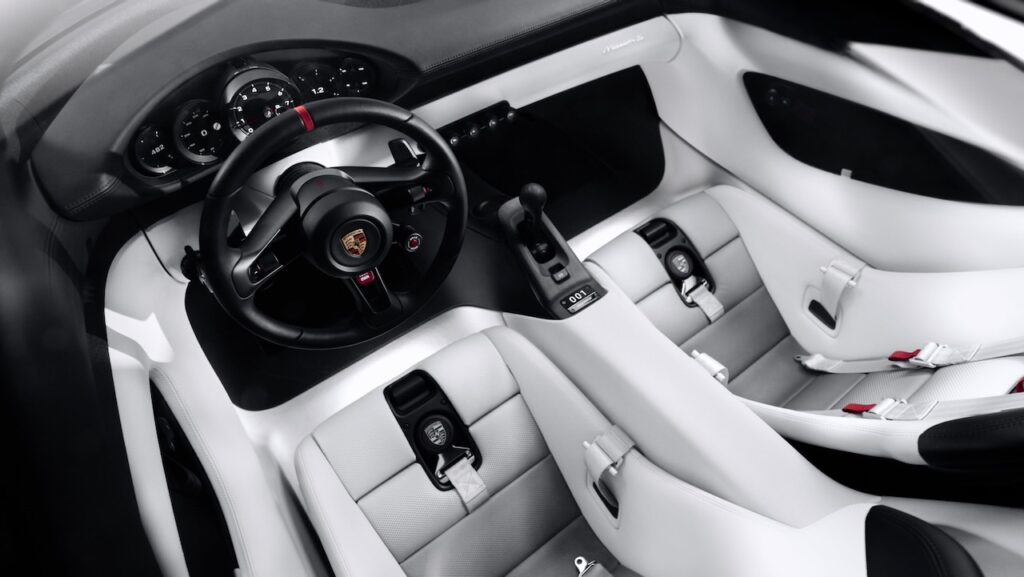
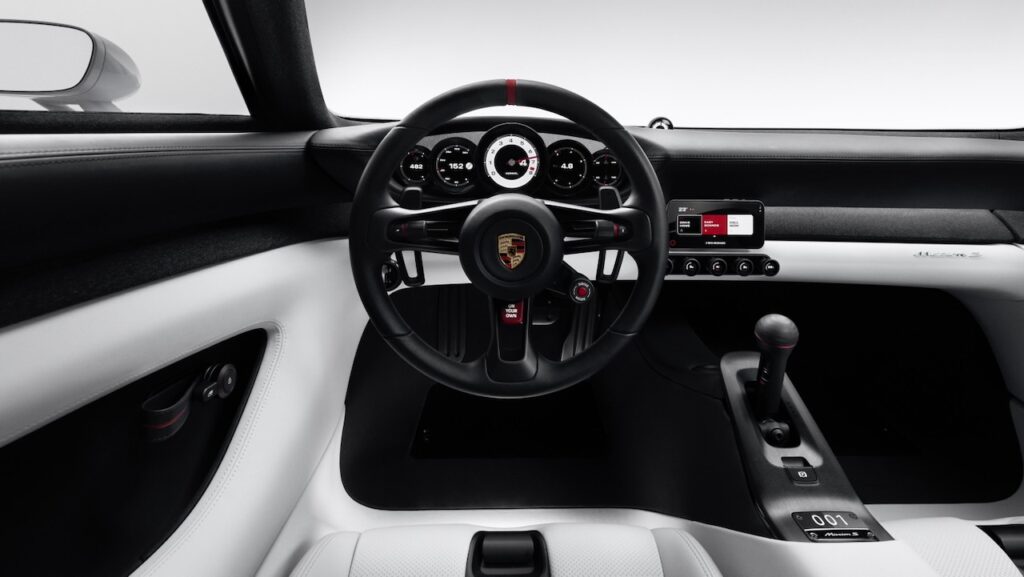
In the cabin Porsche has mixed old and new. The architecture is in the vein of the 550 Spyder and 356, with a layout that puts the driver first and a combination of digital and physical controls. An analog-style rev counter is flanked by five round instruments behind the wheel. Depending on the driving mode in use, the instrument panel can be reconfigured and the rev counter brought closer to hand. A key holder and push-pull switches on the dash provide some tactile feedback.
Porsche has eschewed a fixed center or passenger screen in favor of a retractable mount for a smartphone with MagSafe. Navigation and information can be had from the phone, as well as alternate designs for the instruments via the My Porsche app.
The color scheme of white, gray and red is a link to the brand’s motorsport side. Special finishes on the concept are Firn White Metallic, Light Red Metallic and Black Chrome, with the interior trimmed in Special Black.
A Flagship in the Making?
No word yet from Porsche on when the Mission S might go on sale, nor any details on powertrain or performance. What the concept does do is offer a glimpse of a mid-engine supercar platform the firm plans to have above the 911. It is to be an ongoing part of the range, not a limited hypercar.
The Mission S is also a way for Porsche to put forward some design thinking for later models. Those may or may not make it to production in this form, but the message is plain: a supercar that is very much a Porsche, one that looks to the past even as it goes beyond the present lineup.