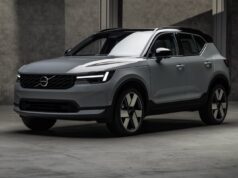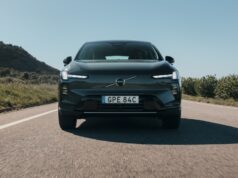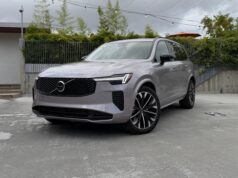
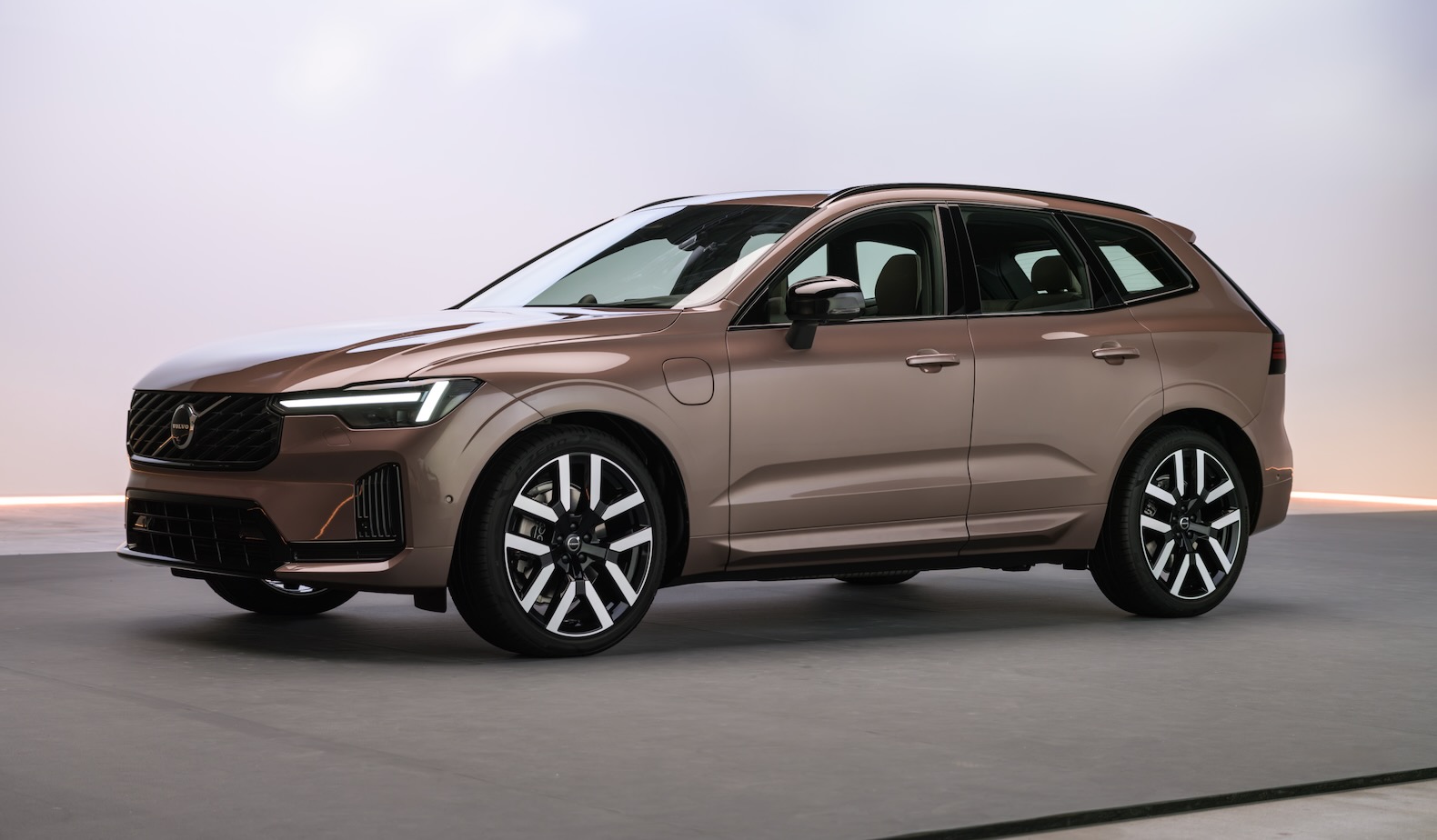
Volvo is making a big leap in the electric range of its two best-selling SUVs. The 2028 Volvo XC60 and XC90 plug-in hybrids come equipped with a new long-range PHEV powertrain that more than doubles what is on offer today, and in the case of the XC60, there is a thorough redesign to match.
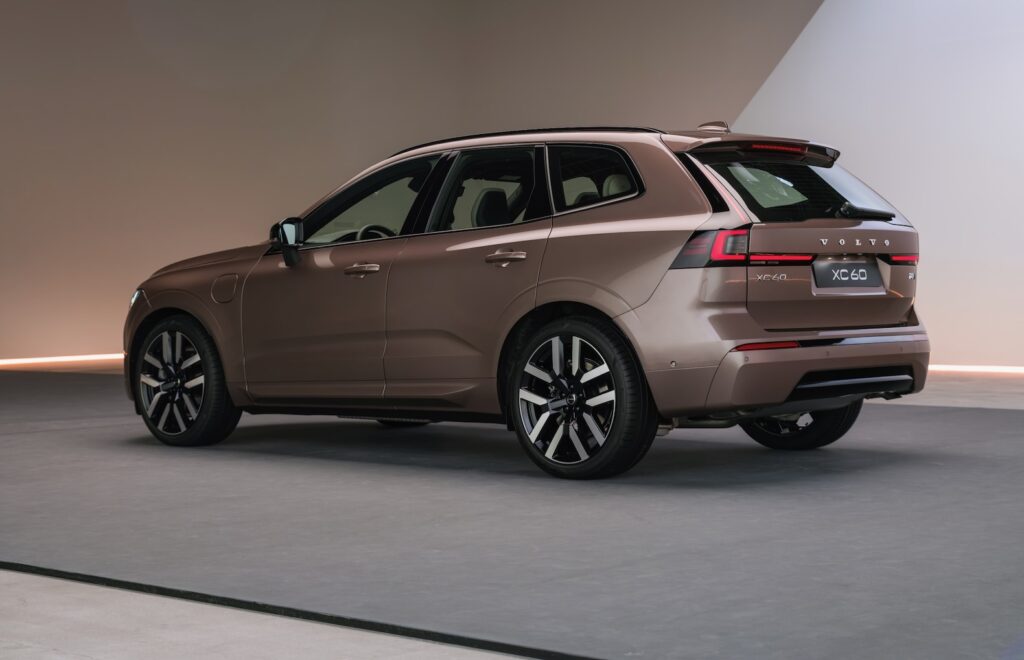
The 2028 Volvo XC60 plug-in hybrid is the one with the top line, capable of up to 78 miles on an electric charge. The three-row XC90 is not far off at 73 miles. By Volvo’s reckoning, that makes them the plug-in hybrids with the longest electric reach in the U.S. market.
Such numbers have the potential to alter the way an owner approaches a plug-in hybrid. For one who has the means to charge at home, it is possible to put in several days of normal driving without so much as turning on the gasoline engine for a daily commute.
You will find the source of this improvement under the skin of both SUVs. Volvo has added a new, higher-capacity battery integrated into the floor and a more potent electric motor. The gas engine is still there for when you are on a longer trip, which is the whole point of a plug-in hybrid.
While Volvo has yet to put out full specs on the new powertrain – be it horsepower, charging times or total range – the fact remains that 78 miles in the XC60 and 73 in the XC90 is territory some all-electric cars would have found impressive not long ago. And for those not keen on a plug-in, Volvo will still have mild-hybrid versions of both SUVs available.
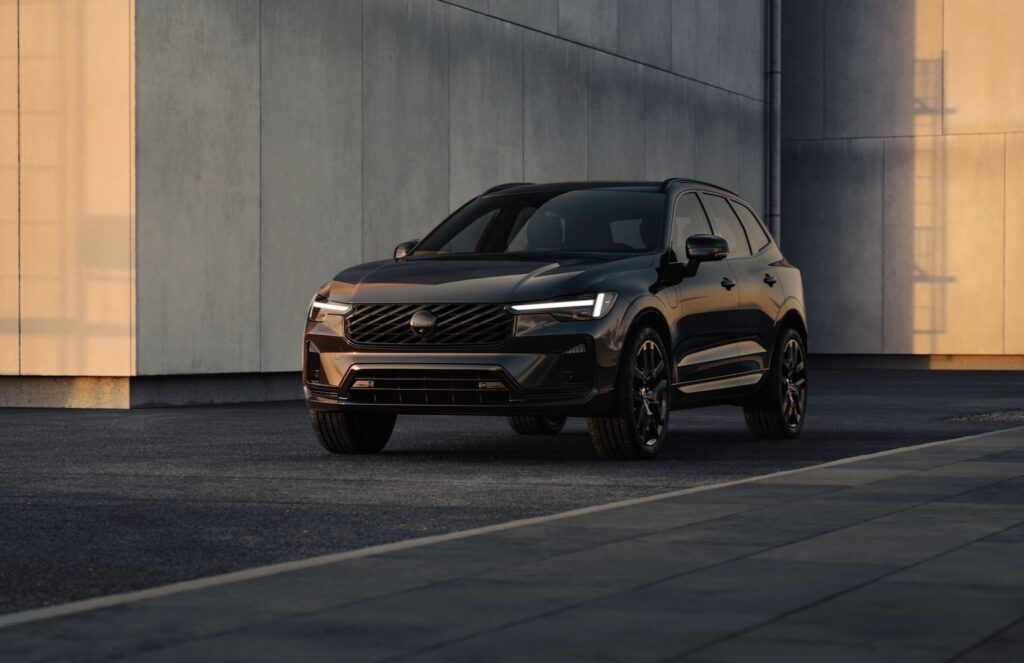
The powertrain is not the only story with the XC60. Volvo has updated the midsize SUV for 2028.
Up front you will see a reworked hood, fenders, bumper and grille, plus new wheels. Even the Thor’s Hammer LED headlights have been given a cleaner take on the familiar design. At the back, the tailgate, bumper and LED taillights have all been redesigned.
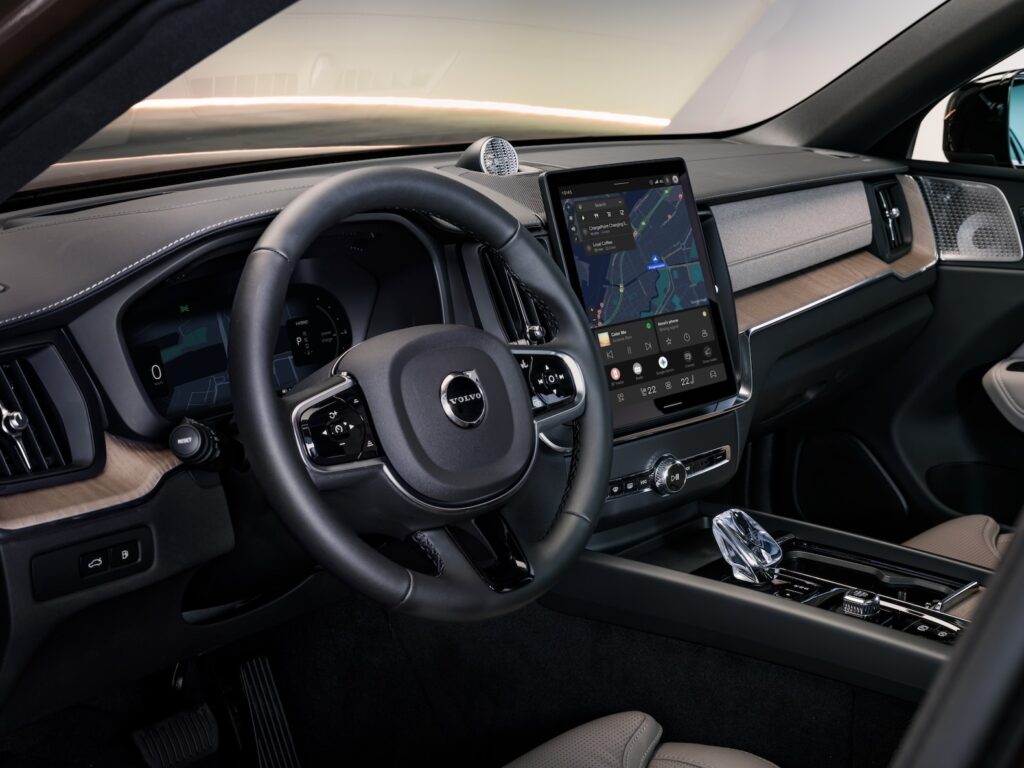
The cabin is no exception. The dashboard and door panels are new, as is the wood trim and the option for Cardamom ventilated Nappa leather, with improved lighting and an 11.2-inch touchscreen with the latest Volvo Car UX.
The 2028 Volvo XC60 and XC90 are both equipped with Google Gemini.
Volvo has put in some upgrades to the XC60’s active-safety suite as well. A new array of radars, cameras and sensors gives the car a better sense of its environment to back up automatic emergency steering and braking should a collision seem likely. One system will even alert occupants to an oncoming cyclist before they go to open a door.
Then there is Lane Change Assist and an optional 360-degree camera with a 3D view for those tight parking spots.
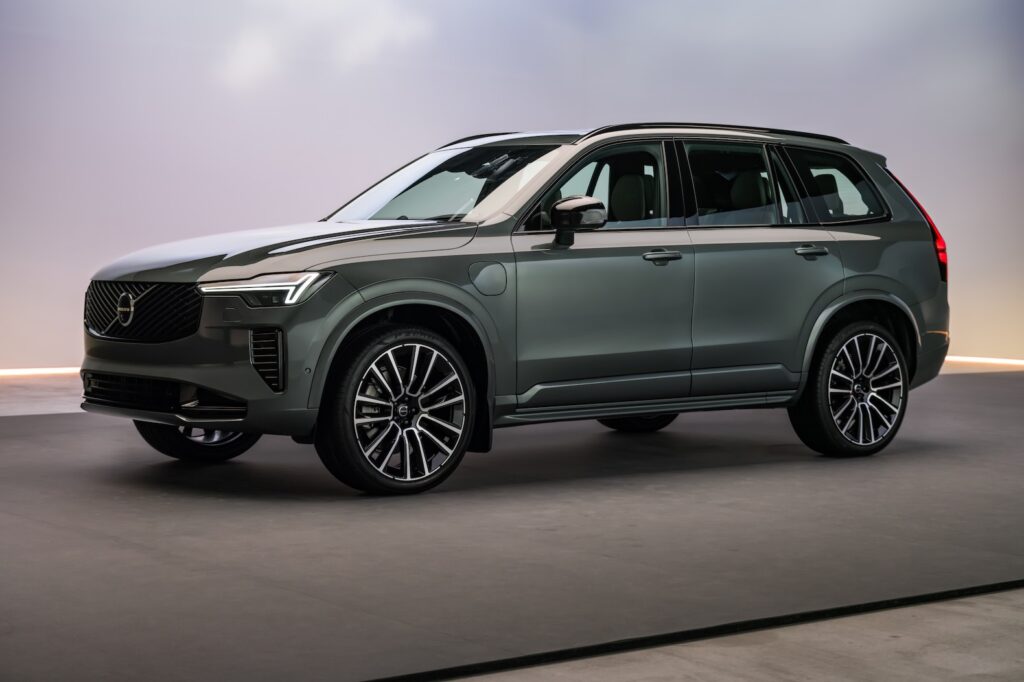
The XC90 has not seen the sort of thoroughgoing redesign of its smaller counterpart, given it was already updated with newer styling and tech. But the plug-in hybrid powertrain is a step up in a major way.
This three-row luxury SUV is capable of up to 73 miles on electric – more than twice what the current plug-in hybrid can do.
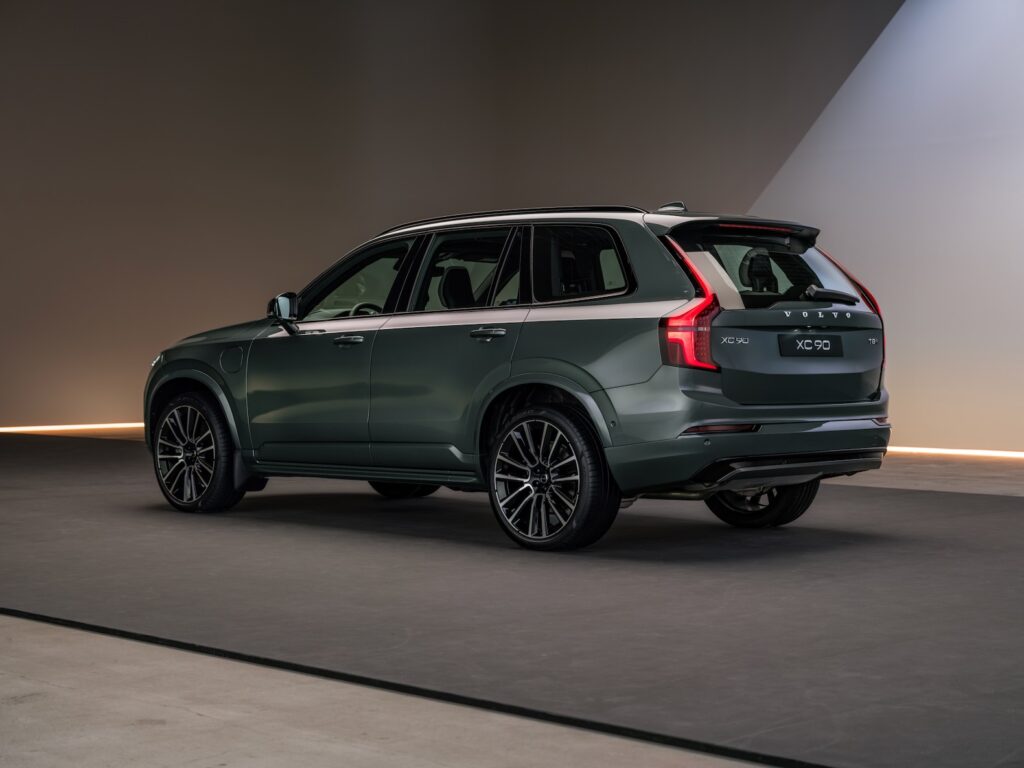
Volvo’s latest XC60 and XC90 make a case for the plug-in hybrid at a time when the rest of the industry seems intent on going fully electric.
When a PHEV is limited to 20 or 30 miles of electric range, the gasoline side comes into play all too often. With 70-plus miles, the dynamic is different. The 78-mile range of the 2028 XC60 would see most of your everyday driving done without a drop of gas if you have the means to charge. And when a 500-mile journey is in order, there is no concern over charging infrastructure as there would be with an all-electric model.