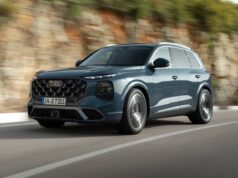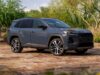
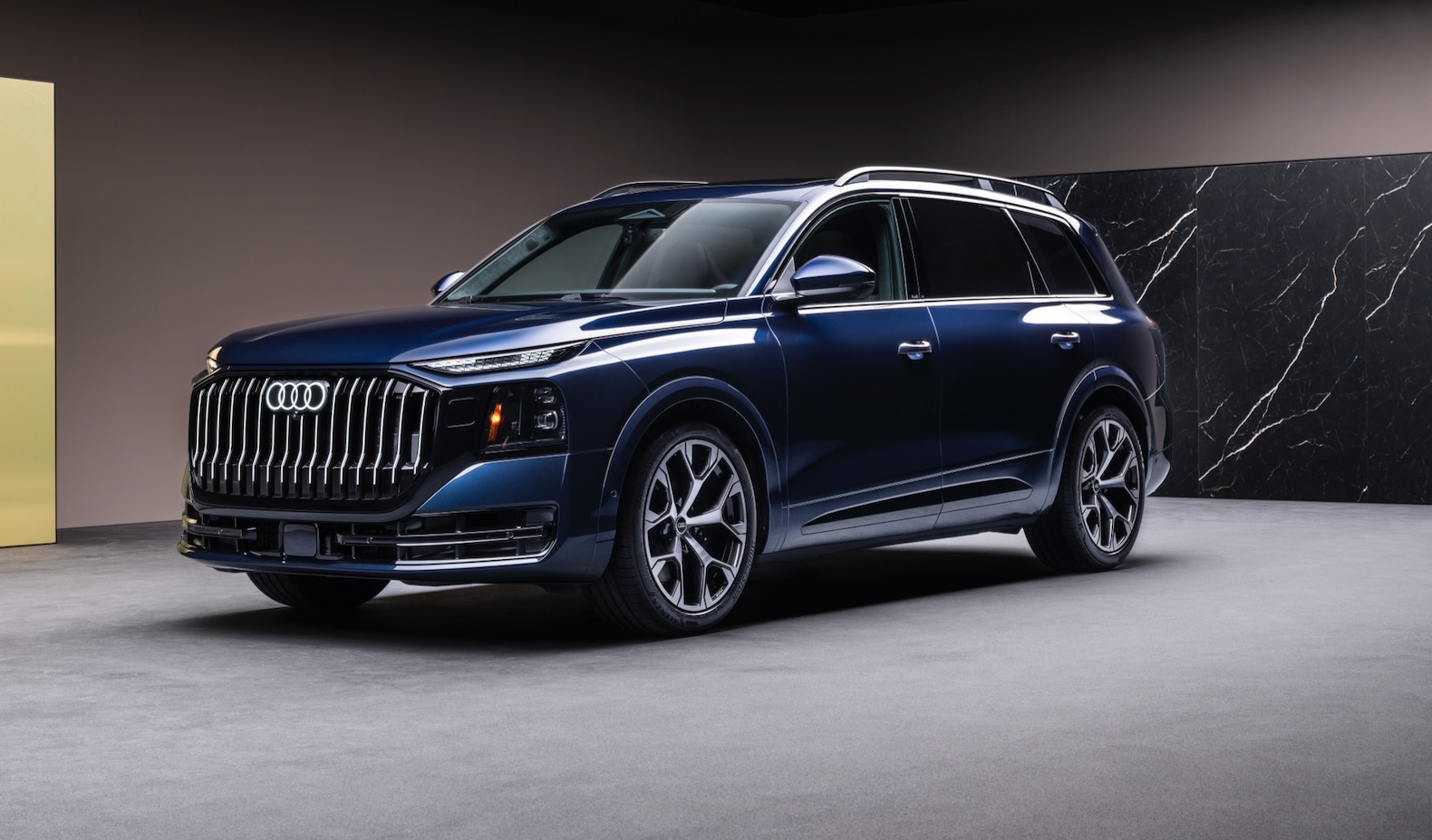
With the launch of the 2027 Q9 and its high-performance counterpart, the SQ9, Audi is at last making its move into the full-size luxury SUV arena. These new three-row models are the brand’s largest to date and have been put together with an eye on the North American market, where they will stand as a proper rival to the likes of the BMW X7, Range Rover and Mercedes-Benz GLS.
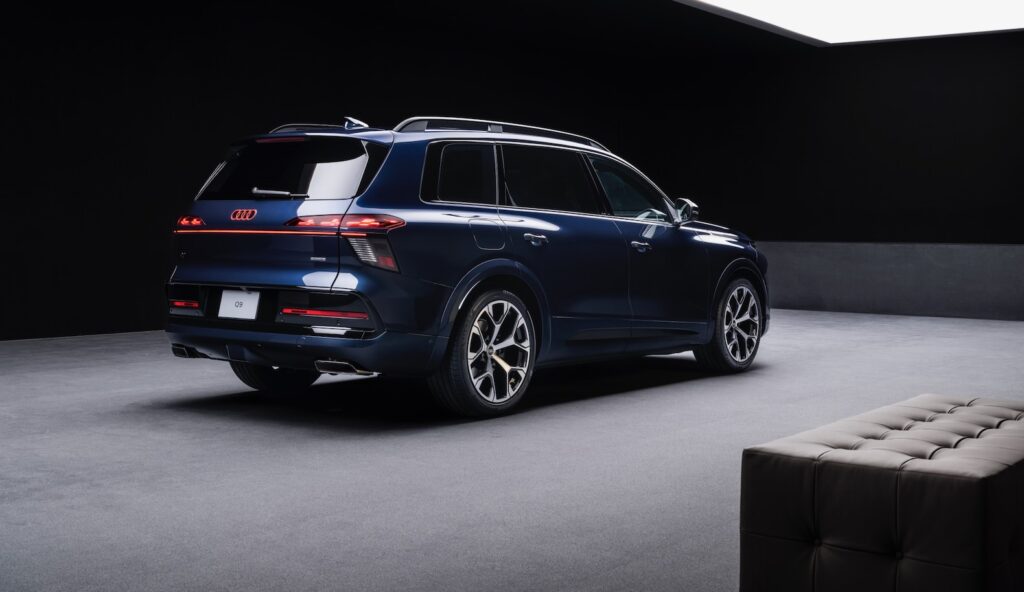
The two are set to be in U.S. showrooms by the fourth quarter of 2026. While the Q9 is all about family practicality and luxury, the SQ9 is for those who want to put down some power with a twin-turbo V8 and claim the title of fastest accelerating three-row in the class.
Measuring over 209 inches in length on a 123.5-inch wheelbase, the Q9 is the most substantial production vehicle in Audi’s history. That extra room means there is a usable third row and plenty of cargo space, with configurations for either six or seven passengers depending on whether one opts for second-row captain’s chairs.
There is 19.3 cubic feet of storage behind the third row, but fold the second and third rows flat and that figure jumps to 87.7. To get to the back with ease, the power-adjustable second row can be made to slide and tilt forward even if a child seat is in place.
[imagely id=”1586″]Audi has not skimped on the cabin. In addition to automatic power-assisted doors and five-zone climate control, there is the company’s largest panoramic sunroof and an optional electrochromic glass roof for controlling transparency.
The standard Q9 is driven by a 2.9-liter twin-turbo V6 putting out 429 hp and 442 lb-ft of torque. With the eight-speed Tiptronic and quattro all-wheel drive, Audi puts the 0-60 time at 4.9 seconds. An adaptive air suspension is included to handle up to 3.5 inches of ride height change, and top trims get rear-wheel steering for better composure on the highway.
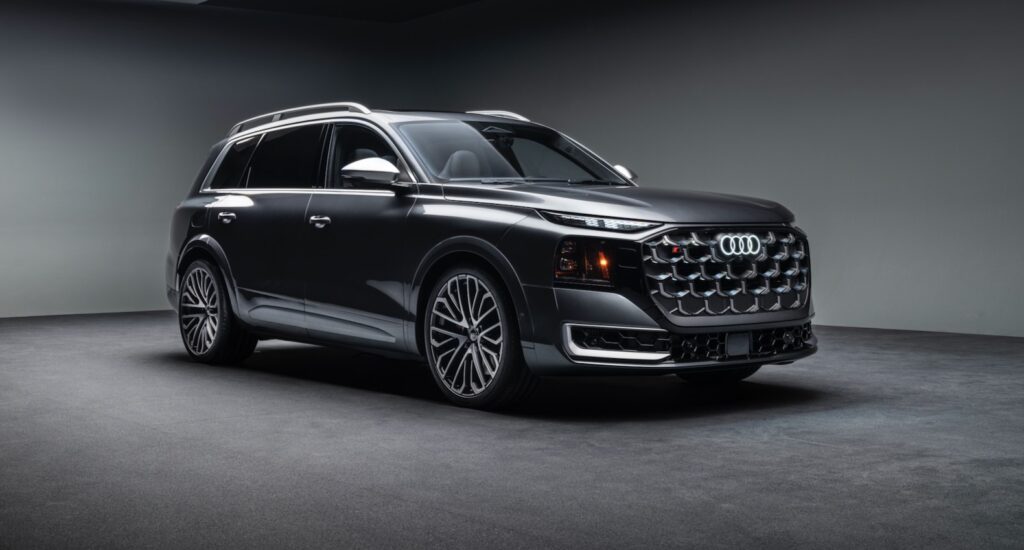
Then there is the SQ9, for buyers seeking something sportier. A reworked 4.0-liter twin-turbo V8 delivers 591 horsepower and 590 lb-ft of torque, enough to hit 60 mph in 3.8 seconds.
The performance is not limited to the engine. The SQ9 comes with a new rear-biased quattro system, an electronic rear differential, staggered 22- or 23-inch wheels and performance rubber, and an air suspension set up for a sportier feel. Towing capacity is still 7,700 pounds when properly equipped.
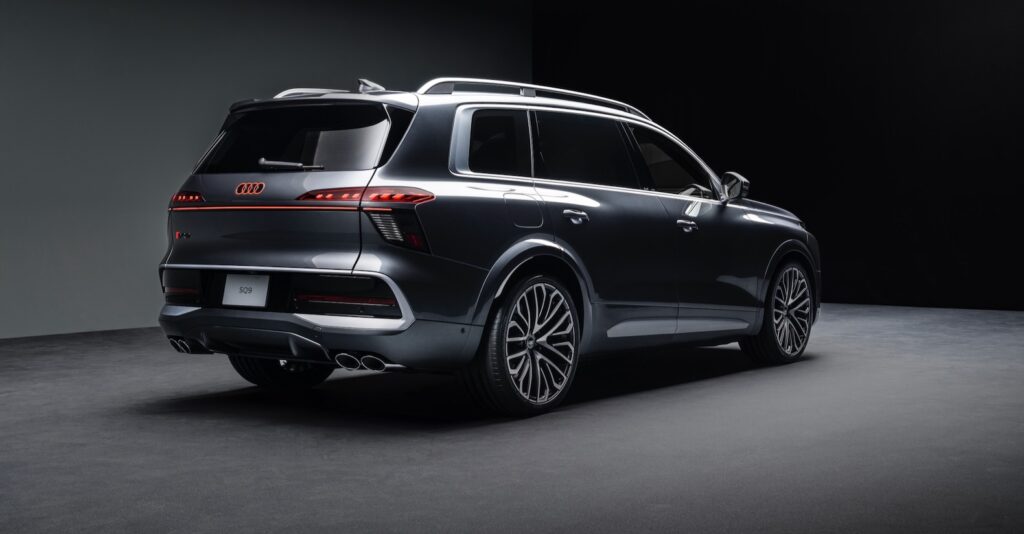
Both models will bring Audi’s Digital Matrix LED headlights to America for the first time. The system uses micro-LEDs to manage the beam pattern and cut down on glare for oncoming drivers, providing much of what European buyers have had in their adaptive lighting for some time.
Out back are curved digital OLED taillights, the first of their kind on a production car. They can be customized and will show warning graphics or even project directional arrows on the ground for the benefit of pedestrians and cyclists after dark.
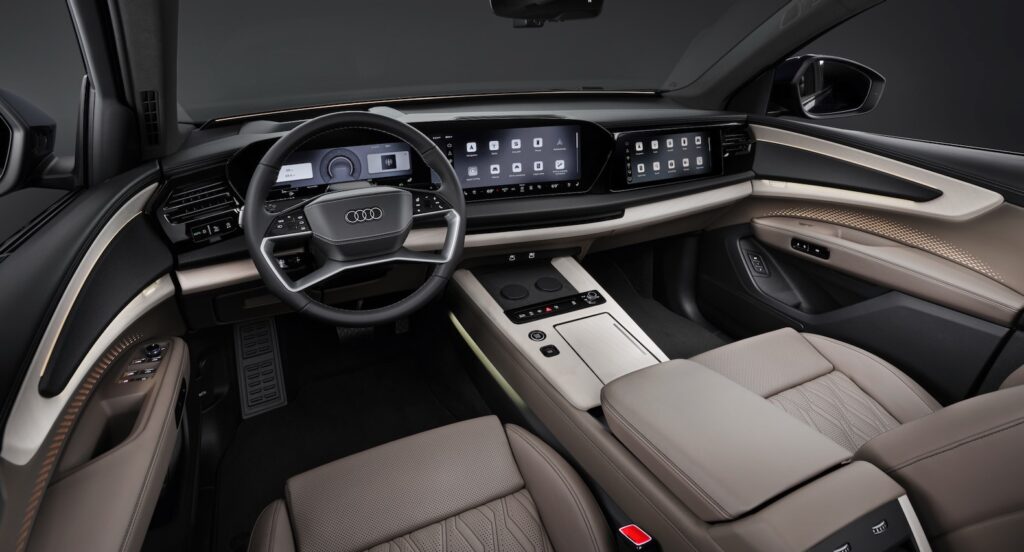
Step inside and you will find the new Digital Stage setup: an 11.9-inch instrument cluster, a 14.5-inch center screen and a 12.3-inch display for the passenger complete with a privacy mode. There is also Amazon Alexa, wireless charging and an optional Bang & Olufsen 4D audio system with speakers in the headrests.
Driver assistance has been beefed up as well. On approved roads, the Q9 and SQ9 can offer hands-free Level 2+ driving and automated lane changes. An exit warning system will keep the power doors from opening if it detects a cyclist or vehicle coming up behind.
Pricing for the 2027 Q9 begins at $87,700, while the SQ9 will start at $118,000.