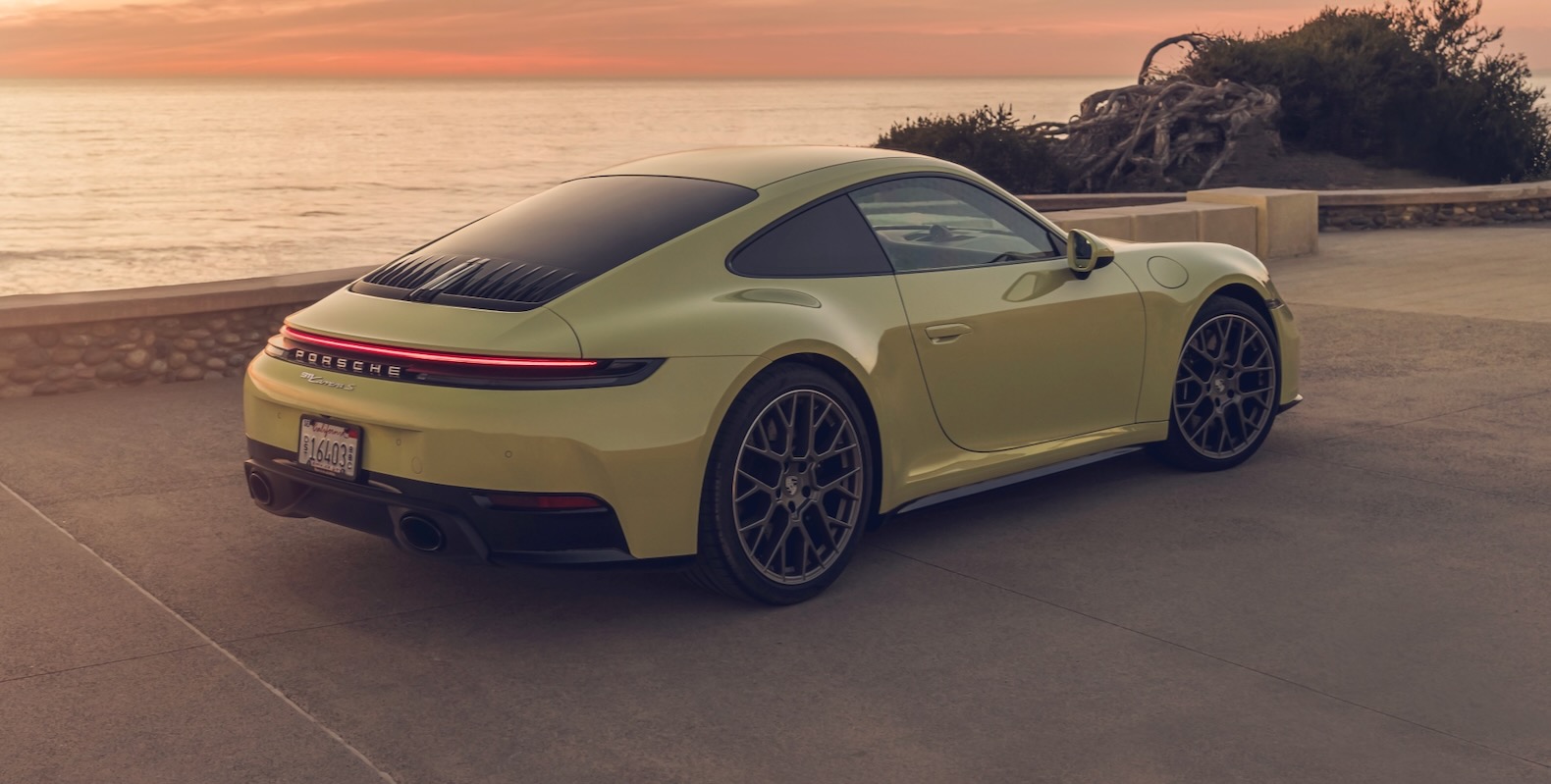
In what is one of the most substantial overhauls of its product strategy in recent years, Porsche has made its intentions plain. The automaker is set to place even more weight on exclusivity, high-margin models and sports cars proper, all while maintaining an offering that spans electric, plug-in hybrid and combustion vehicles.
The plan, which it has dubbed “Sportwagenschmiede ’35,” charts a course for the company through 2035. It marks a notable departure from the aggressive pivot to an electric future that was evident here just a few years back.
A Supercar to Sit Above the 911
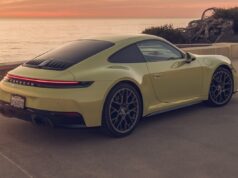
Enthusiasts will no doubt see the headline news in Porsche’s confirmation of a new mid-engine super sports car platform. This new architecture is to be the foundation for a model line that puts the brand’s new flagship above the 911. While there are no details yet on a name or launch date, the positioning is enough to put one in mind of past halo cars like the 918 Spyder or the Carrera GT. Porsche has announced that it will reveal a new concept called the “Mission S” on October 15, that will be a preview of the new supercar.
Porsche is not about to relegate the 911 to the sidelines, however; it intends to put out more “highly emotive” variants of the icon. The overarching aim is to field the sportiest car in every segment and infuse the rest of the range with some of the 911’s DNA. To that end, the company will be trimming the number of model variants by some 20 percent, though you can expect to see a higher share of pricier D- and E-segment machines. In short, there may be fewer variations to choose from, but they could be more special.
2028 Brings a New Gas and Plug-In Hybrid SUV
Porsche’s future is not going to be all-electric. Porsche has confirmed that it will introduce a new SUV in 2028 to be sold alongside the electric Macan. What is key is that this B-segment vehicle will come with internal-combustion as well as plug-in hybrid options.
Series production is to get under way in 2028, with Porsche looking to the following year for a solid boost to its bottom line. For those not yet prepared to make the move to an electric Macan, there will be an alternative in the lineup.
An Eye on an SUV Above the Cayenne
Then there is the matter of size. Under the new strategy, Porsche has said it is looking into an SUV that would be placed above the Cayenne. Described as a D-segment proposition, such a vehicle would help the company make inroads into the more exclusive and profitable end of the market.
It is not a done deal yet and powertrain details are thin on the ground, but an ultra-luxury utility vehicle of this sort would give Porsche a new flagship in that space.
EVs Are Not Off the Table
Nor is Porsche walking away from its electric vehicles. The 718 Boxster and Cayman in EV form are still to come. Porsche has the electric 718 Boxster and Cayman in its sights, and the two are very much part of the plan. The automaker is counting on these sports cars to put numbers on the sales sheet in their inaugural full year of production in 2028.
In a wider sense, Porsche is standing by its three-pronged powertrain strategy. One will not fit all for future products; they will be powered by internal-combustion, plug-in hybrid or battery-electric systems as the case may be. The company has made it clear it will put more money into “brand-defining” combustion and hybrid powertrains even as it works on the next iteration of its battery tech. To keep development costs in check, there will be a closer working relationship with Audi and more reliance on PPE and PPC architectures.
At Least One Major New Porsche Every Year Through 2030
The coming years promise to be busy ones.
Porsche’s intention is to put out at least one new “brand-defining” product annually through 2030, on top of the usual model updates. There is also an effort to push further upmarket. In the medium term the average selling price of range-topping models should see a 20 percent increase. With plans to grow its Exclusive Manufaktur and Sonderwunsch programs, Porsche is aiming to do nothing less than sextuple the revenue from its highly individualized vehicle business.
It is a doubling down on the “Value over Volume” tenet that has been with the brand for some time: if the cars are more desirable and profitable, volume is of less concern.
The Future Resembles the Past
What makes Porsche’s 2035 strategy so compelling is the approach to electrification.
There is no all-in bet on EVs. Instead, the lineup will accommodate gas, plug-in and electric depending on the model and customer demand. Porsche wants its cars to be more exclusive, harking back to the design, heritage and driving pleasure that put the brand on the map.
All of which could mean a rather different offering by the decade’s end. You can expect the electric Macan to stay put and the electric 718s to arrive. But they will have company in the form of a new combustion or hybrid SUV, some more focused 911s and, in time, a mid-engine supercar to sit above the 911.
And that may not be all.