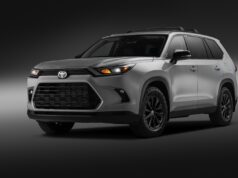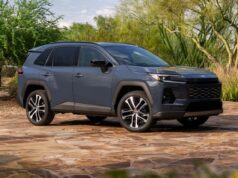
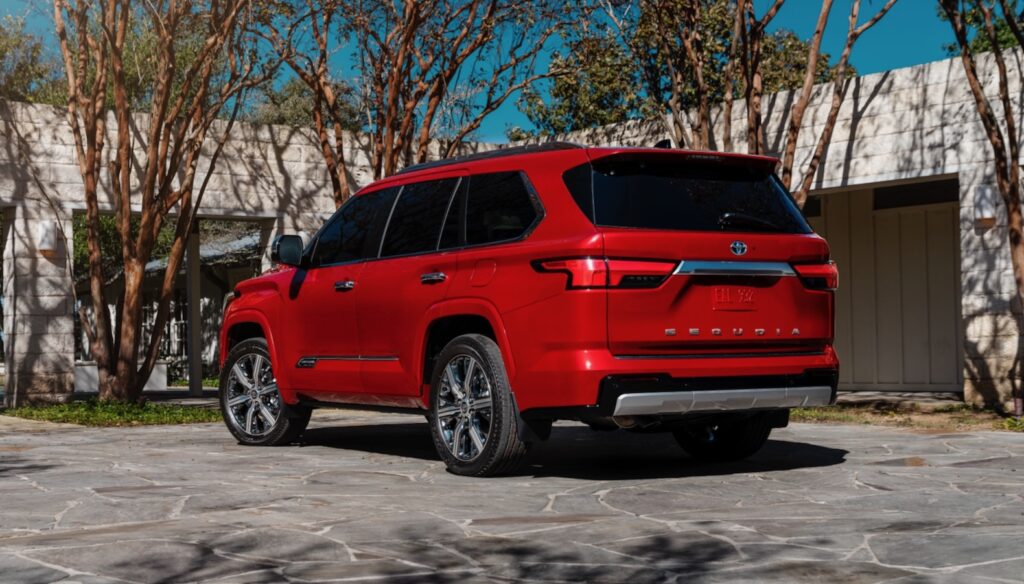
There is a good argument to be made for the 2026 Toyota Sequoia if one’s notion of a family SUV calls for ample room, a hybrid that puts out torque without fuss and the ability to tow in earnest. As Toyota’s biggest offering, it is powerful and comfortable, with an efficiency that is hard to believe in something so large. And with the Capstone trim at the top end, there is enough luxury on hand to have you wondering if the move to a Lexus is really warranted.
Then again, the Sequoia has a certain contradiction about it. For all its bulk, this three-row behemoth does not do a particularly fine job of making use of its interior. The third row is tight and the cargo area is somewhat compromised, rendering it less practical than the outside would have you think.
So the appeal is very much of a specific kind. Should you want a full-size hybrid SUV with the mettle to put down over 9,500 pounds, or one that can handle a few hundred highway miles in comfort and still go off-roading as a TRD Pro, the list of reasons to like it is long. If your priority is to make the most of every inch of passenger and cargo space, however, the competition makes better use of their footprint.
Under the hood you will find the i-Force MAX hybrid powertrain it is a combination of an electric motor, a 10-speed automatic and a twin-turbo 3.4-liter V6. It generates a combined 437 horsepower and 583 lb-ft of torque. But the figures don’t fully convey how satisfying the system is in practice. The electric motor is there to give the turbocharged V6 a hand, providing the sort of low-end response needed to set nearly three tons of vehicle in motion, whether you are climbing a grade or under tow.
From a standstill the electric motor gives you near-instant torque to hide the Sequoia’s heft. Press the pedal and the acceleration comes in an effortless surge; you need not plan too far ahead to get past slower moving traffic. It is perhaps the strongest attribute of the whole package.
One does not typically buy a full-size SUV for the fuel economy, but the standard hybrid in the 2026 Sequoia is an advantage. With a combined 22 mpg, 21 in the city and 24 on the highway, it outperforms what you will see from a V8 powered Chevrolet Tahoe or the V6 powered Ford Expedition.
And that is another of its strong suits. Put the right equipment on the 2026 Toyota Sequoia and it will tow 9,520 pounds, more than the Tahoe or Expedition can manage.
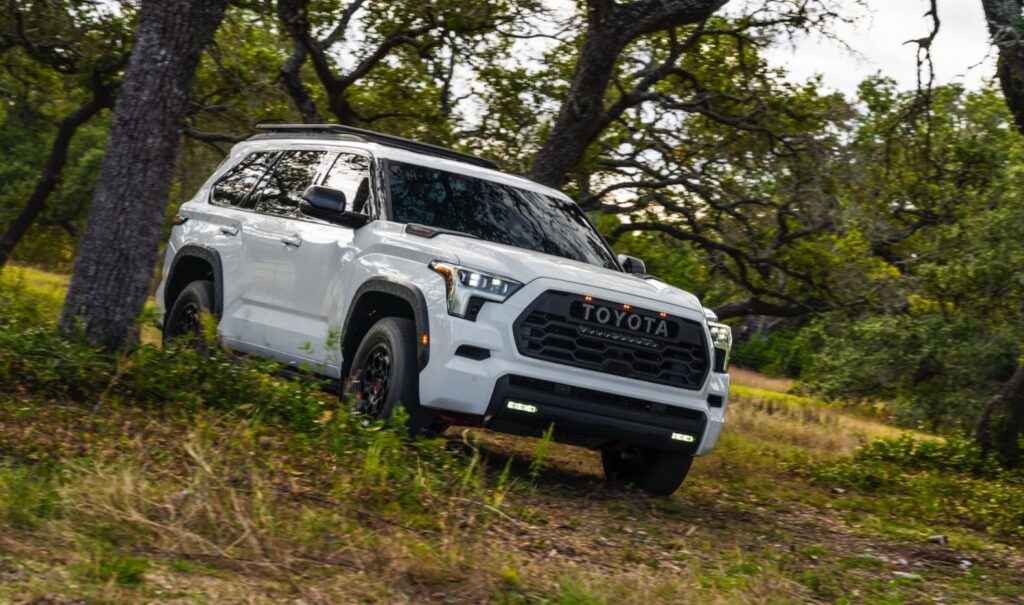
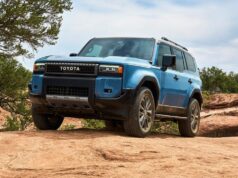
For those inclined to leave the tarmac, there is the Sequoia TRD Pro. Toyota has not overlooked this segment of the market. Rather than slapping on some trim for show, the TRD Pro is fitted with FOX dampers, a skid plate, a locking rear differential and 18-inch forged wheels with 33-inch tires.
Given its size, the Sequoia may not be at home on the narrowest of trails, but the hardware on the TRD Pro is no pretense. It is a testament to the range of the lineup: with the right configuration you have either a rugged off-roader or a plush cruiser. We put the latter to the test, Sequoia Capstone
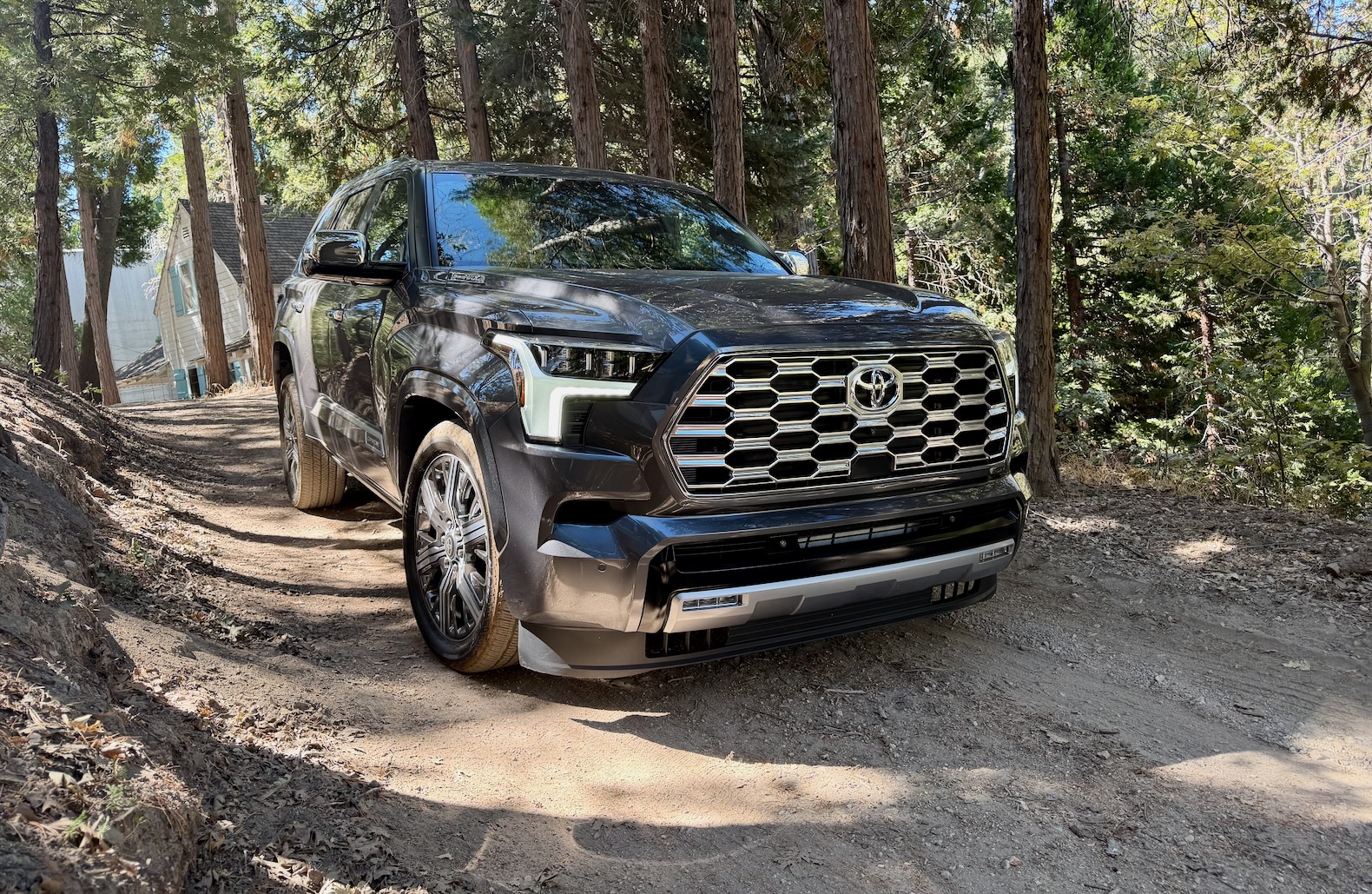
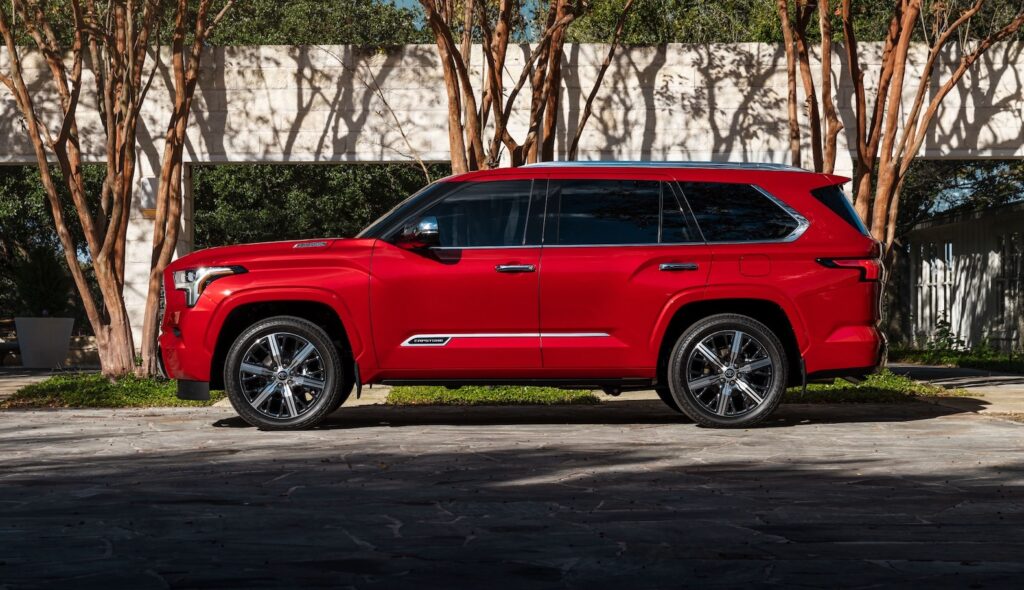
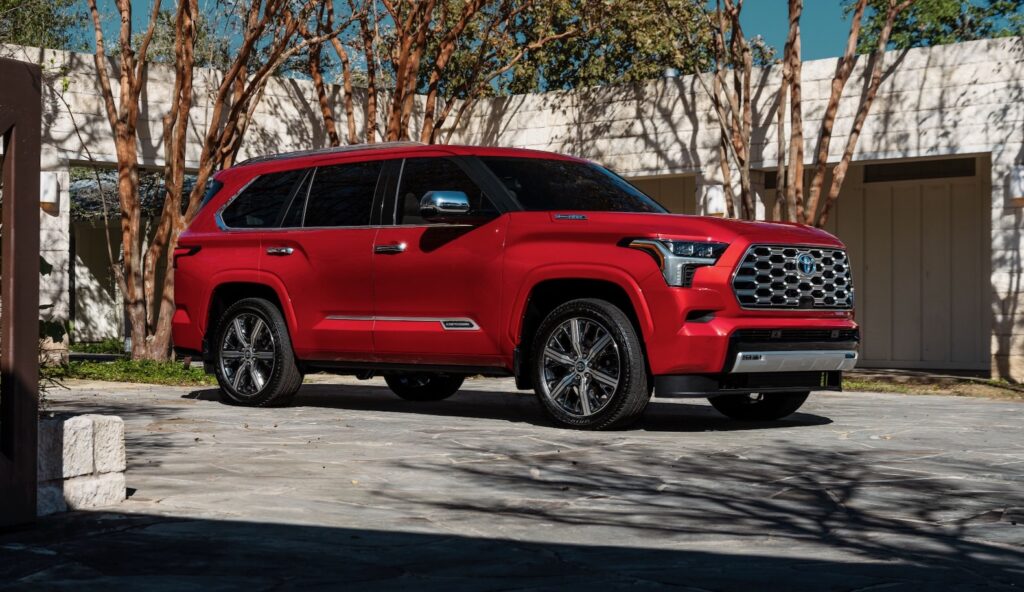
Put the TRD Pro on one side of the spectrum and our 2026 Toyota Sequoia Capstone is at the other. It has done away with the off-road hardware in favor of a far more refined sort of experience.
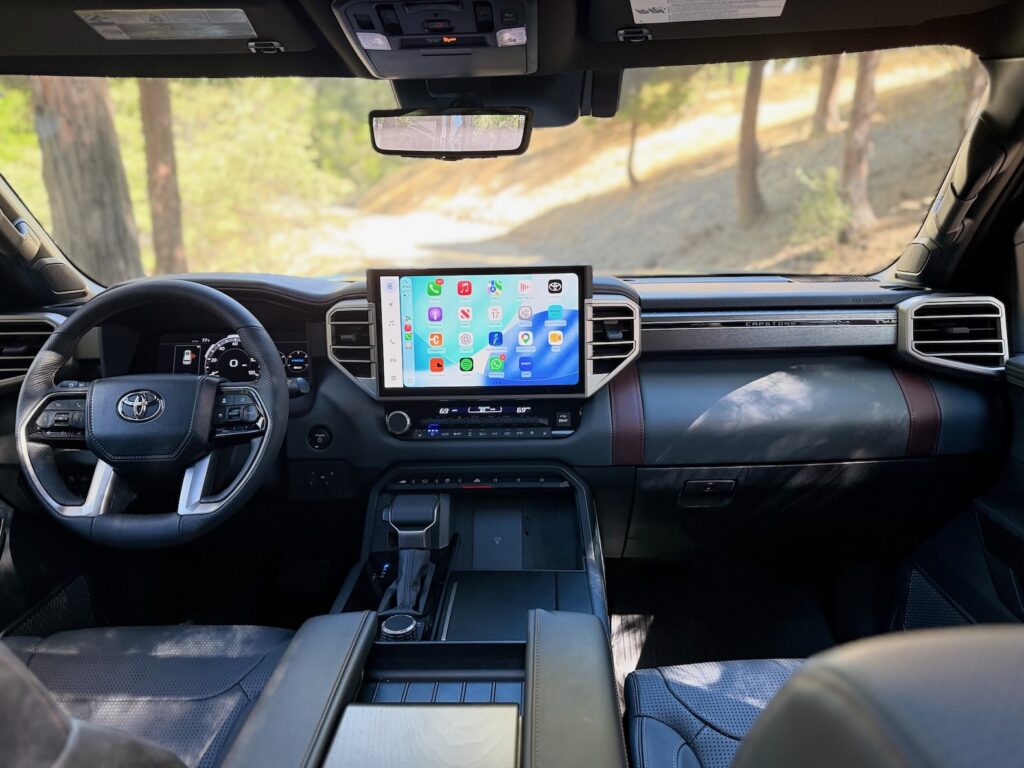
Inside, the Capstone puts on its best attire with walnut woodgrain trim, metal speaker grilles and better leather upholstery. Such details do much to put some distance between it and the more workmanlike of Toyota’s SUVs. Then there are the power running boards, a welcome feature for a vehicle of this stature, not to mention the 10-inch head-up display and the imposing 22-inch dark-chrome alloys.
All told, it is a premium affair. One can still tell they are in a Toyota and not a Lexus, but the Capstone narrows that divide in a big way. Most of all, it is comfortable. The ride is well composed and the cabin is hushed even at speed, which makes the Sequoia a fine long-distance cruiser for anyone in the first two rows.
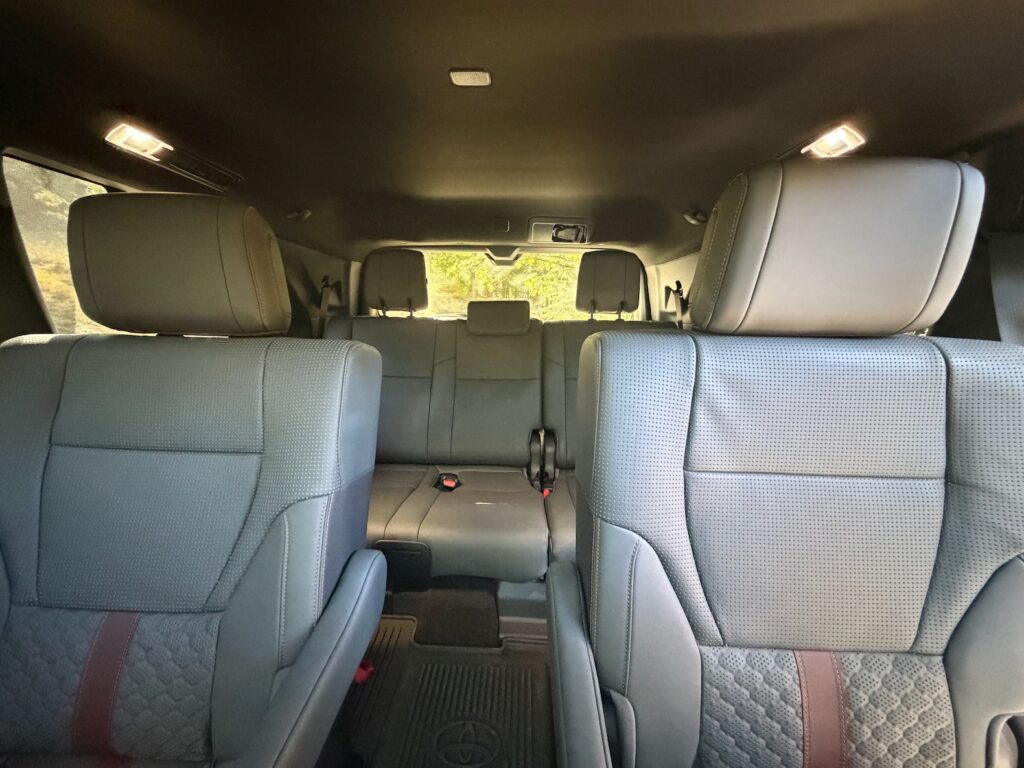
Space is no issue up front and second-row occupants are well looked after. The upright nature of the broad cabin allows for plenty of room to put your feet up. The elevated vantage point gives you the view you want from a full-size SUV, and the superior materials of the Capstone make hours behind the wheel a non-issue.
As for tech, a 14-inch touchscreen is standard on most trims (the base model being the exception) and a 12.3-inch digital cluster is in front of the driver. But head farther back and the appeal wanes.
In an SUV of these proportions, the third row is a letdown. It is cramped when set against the competition, so you might as well put the kids in there or reserve it for the odd occasion rather than trying to fit adults for a long haul. It is frustrating in a way; you put up with the bulk of a Sequoia in a parking garage because you expect to be amply rewarded inside.
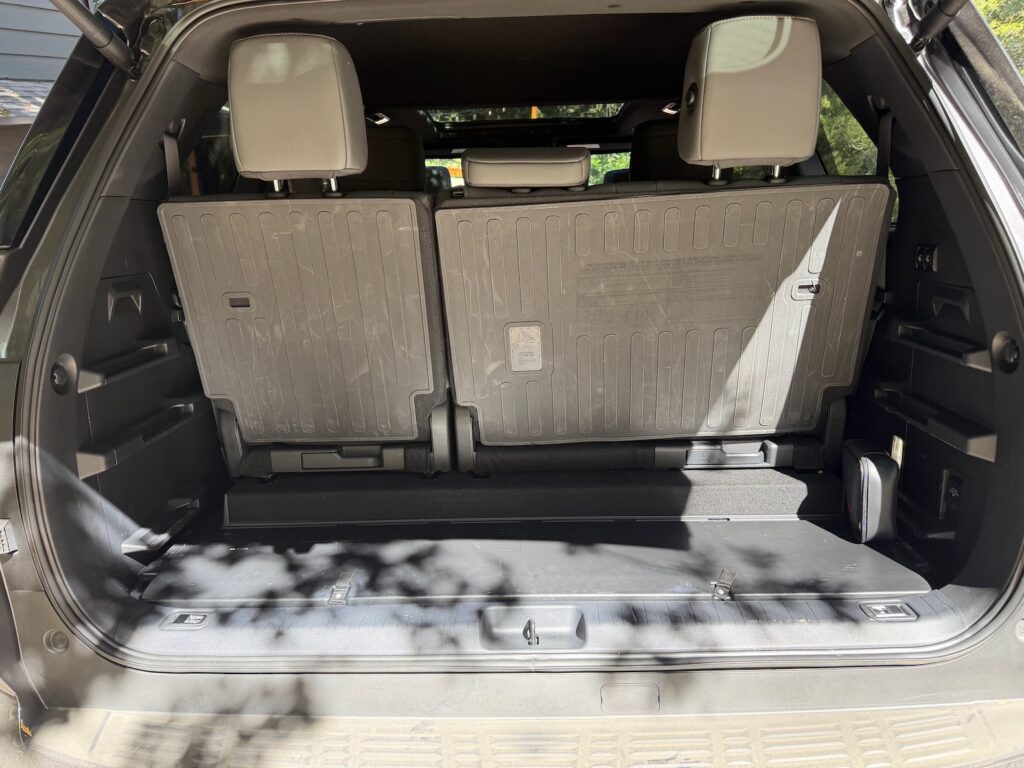
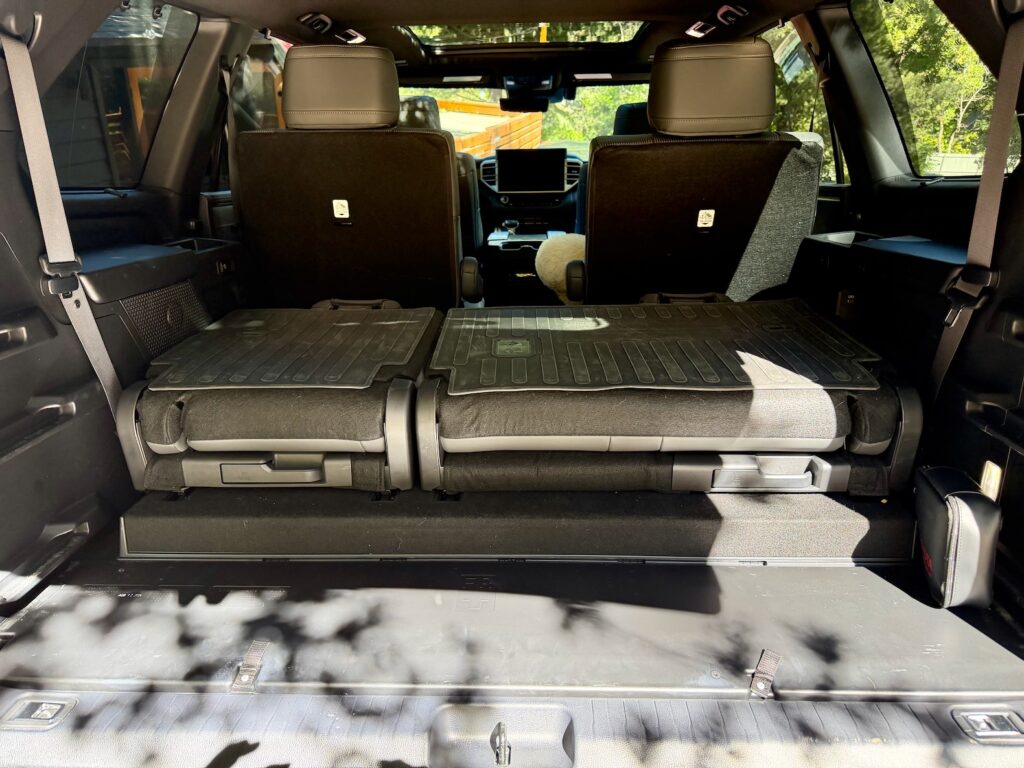
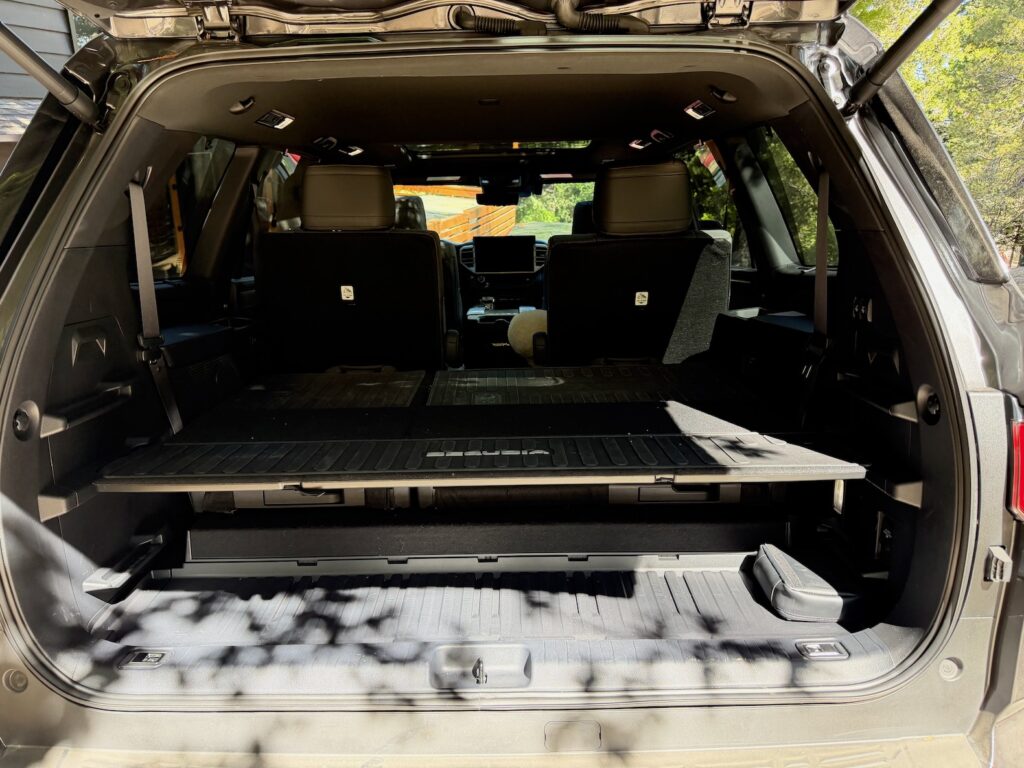
Open the liftgate and the packaging issues are plain to see.
If you have all three rows occupied, there are only 11.5 cubic feet of space behind the last one. For something this size, it is hardly much. A family may find their luggage does not all make it in.
Fold the seats down and you run into another matter. The hybrid battery is in the way, so the floor will not go flat. Toyota has an adjustable multilevel shelf to make the loading area more practical, but it seems like a workaround to us. This is where the cost of the hybrid system’s efficiency and power is made clear.
The size of the Sequoia is not going to vanish once you take the wheel. You won’t be tempted to find a winding road with this one; the handling is truck-like with body movement in the corners and the light steering offers little in the way of feedback. In town, the dimensions demand your attention on narrow streets.
Then again, few are looking for sports-car manners in a body-on-frame SUV. On the highway the Sequoia is happy to settle down. With the torque on hand and a quiet cabin, it is much more suited to cruising than to putting through its paces in a canyon.
The pricing for the 2026 Toyota Sequoia starts at $67,920 for the base SR5 trim level. Our top spec Capstone came with a lofty price tag at $88,330.
The Verdict:
There are a number of very important things the 2026 Toyota Sequoia does right. Take the standard i-Force MAX hybrid powertrain for instance; it is excellent. One would not expect such fuel economy from an SUV of this size, yet it provides it along with 437 horsepower and 583 lb-ft of torque on demand. Then there is the 9,520-pound towing capacity which is of real use, and for those inclined to go off-road, the well-appointed TRD Pro is at hand.
We saw a different side of the vehicle in our Capstone model. The ride is comfortable enough for a long road trip and the cabin is quiet. With its walnut trim, upgraded leather and power running boards, Toyota’s biggest SUV has a luxurious air about it.
But the packaging is where you will find trouble. You want a cavernous cargo area and a roomy third row in an SUV this size, and the Sequoia doesn’t give you either. The hybrid battery takes its toll on the load floor, leaving just 11.5 cubic feet behind the third row where adults are not going to want to be. Driving it can be cumbersome as well; the light steering and truck-like handling are a constant reminder of the size of what you are behind the wheel of.
None of that negates the Sequoia’s strengths though. If one is after rugged capability, hybrid performance and good fuel economy rather than all the interior room one can get, the 2026 model is a distinctive and appealing change of pace from the like of a Tahoe or Expedition.
It might not be the most practical full-size SUV out there. But put your foot down and let the 583 lb-ft of torque do its work, and the case for the Sequoia is hard to argue with.