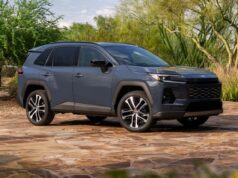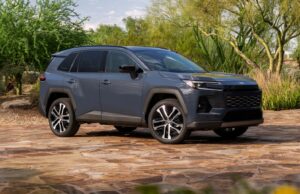
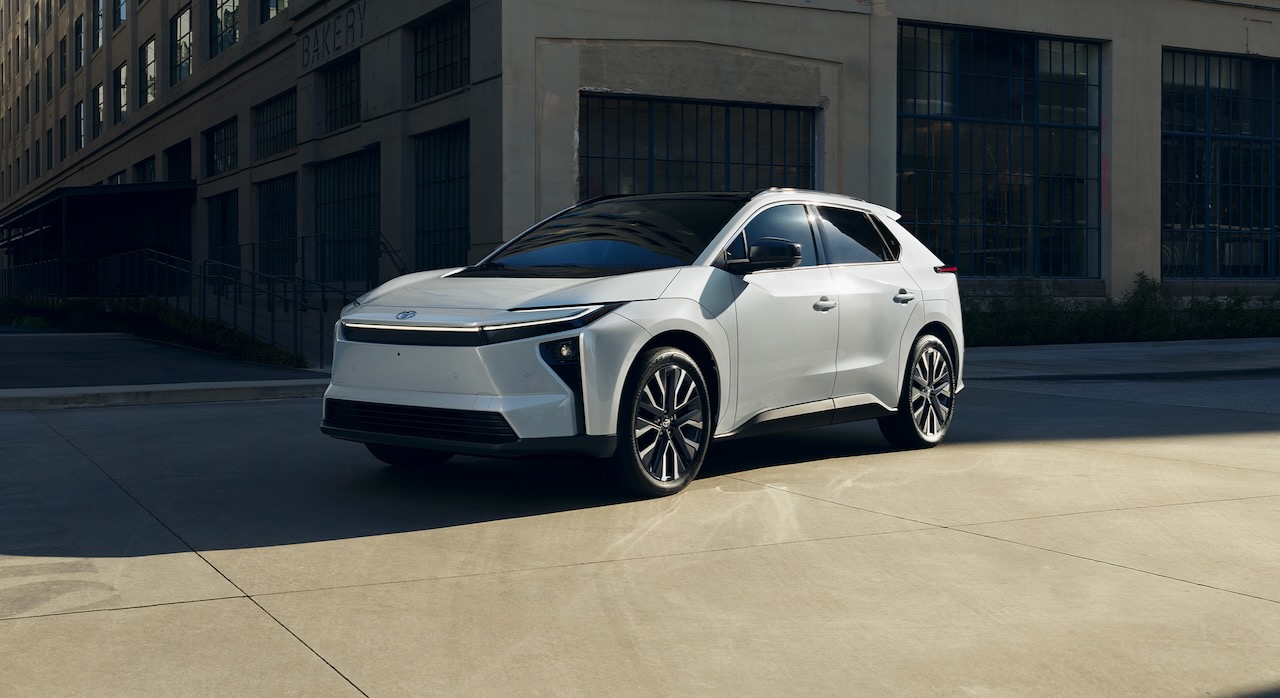
With a shorter name and a stronger case to be made for it, the 2026 Toyota bZ is here. The electric SUV that was once called the bZ4X has been given the sort of overhauls it should have had from the outset: better charging hardware, more power and driving range, and a lower price tag. While one would be hard pressed to call it the most thrilling EV in its segment, Toyota has turned its compact crossover into a far more attractive proposition for those in the market for an affordable, comfortable and unobtrusive electric SUV.
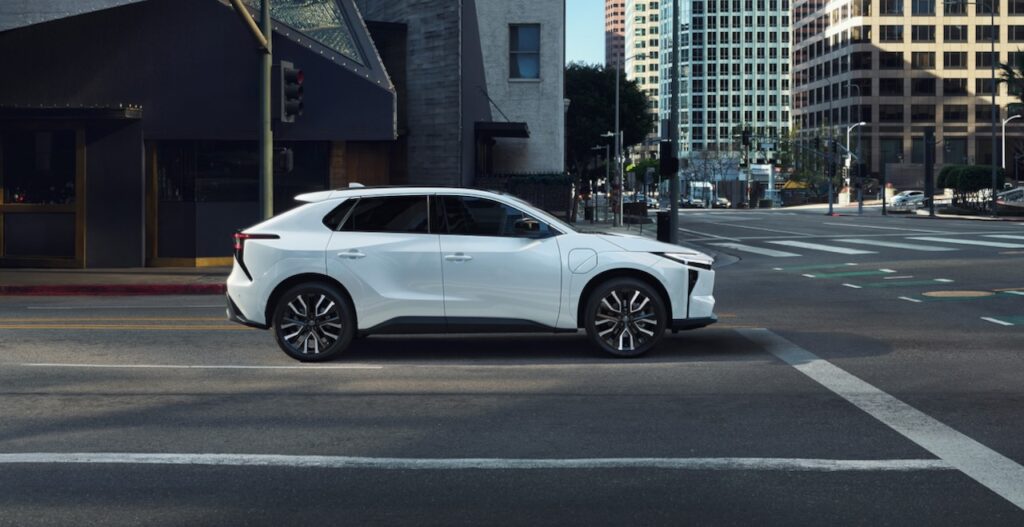
You will see the numbers on the spec sheet. The new bZ can do 314 miles on a charge, a considerable step up from the 252 mile maximum of the old bZ4X. In a field where Hyundai, Kia, Ford, Nissan and Chevrolet put forward some stiff competition, that extra mileage helps the bZ hold its own. First time EV owners are often put off by range anxiety, but with the updated battery and greater efficiency, there is a real world flexibility to this model that was not there before.
Then there is the matter of cost. At a starting price of $36,350, the barrier to entry is lower than many might think. It is well positioned for the EV-curious shopper who is not prepared to part with luxury brand sums. Toyota has never been the most flamboyant in the EV arena and the 2026 bZ is no different; it is all about the practicality and value the brand is known for.
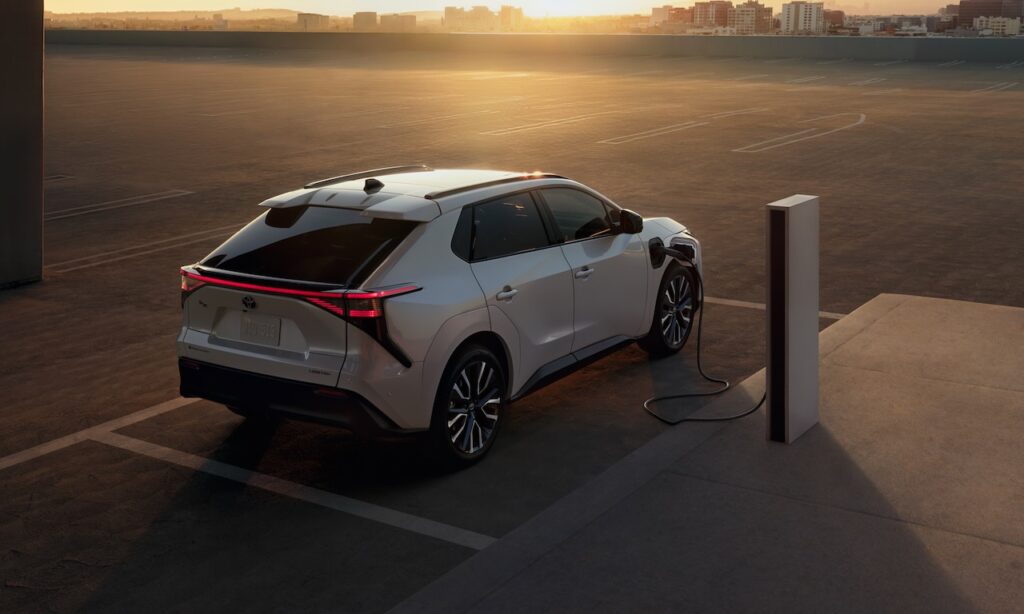
[imagely id=”1600″]Charging is another area of improvement. The introduction of the NACS port means the bZ can now use the Tesla Supercharging Network, a welcome convenience for any road trip. For some, access is as important as range, and the NACS makes the bZ an easier sell. On top of that, the onboard charger has been beefed up to an 11.0-kWh unit to cut down Level 2 times at home or in public.
Do not expect to be wowed by DC fast charging, however. The bZ’s 150 kW limit is serviceable if not best in class. A Hyundai Ioniq 5 will get you back on the road in less time, which is an advantage on a long haul. Most who charge at home will not mind, but regular long-distance drivers will see the difference.
Toyota has also put to rest some of the grumbling over the bZ4X’s performance. Where 214 horsepower was adequate for the commute but hardly brisk, the 2026 bZ can be had with a dual-motor setup putting out 338 hp. It provides the instant torque and punch of a proper EV, making for more assured passing and better acceleration.
The dual motor is more responsive in town and gives one confidence in all weathers, but do not let the figures fool you into thinking the car has been given a new personality. The steering is light, the handling is composed and the 2026 bZ is tuned for comfort, not to be sporty or sharp. If that is what is wanted, look elsewhere. As a quiet and comfortable way to get around every day, though, the bZ does its job well. There is no denying the ride quality is a strong suit of this vehicle. The suspension makes short work of broken city streets and rough pavement for a relaxed, easygoing experience. It is well suited to the task at hand for a Toyota EV that has been put forward for the commuter or small family in search of a practical crossover with none of the drama.
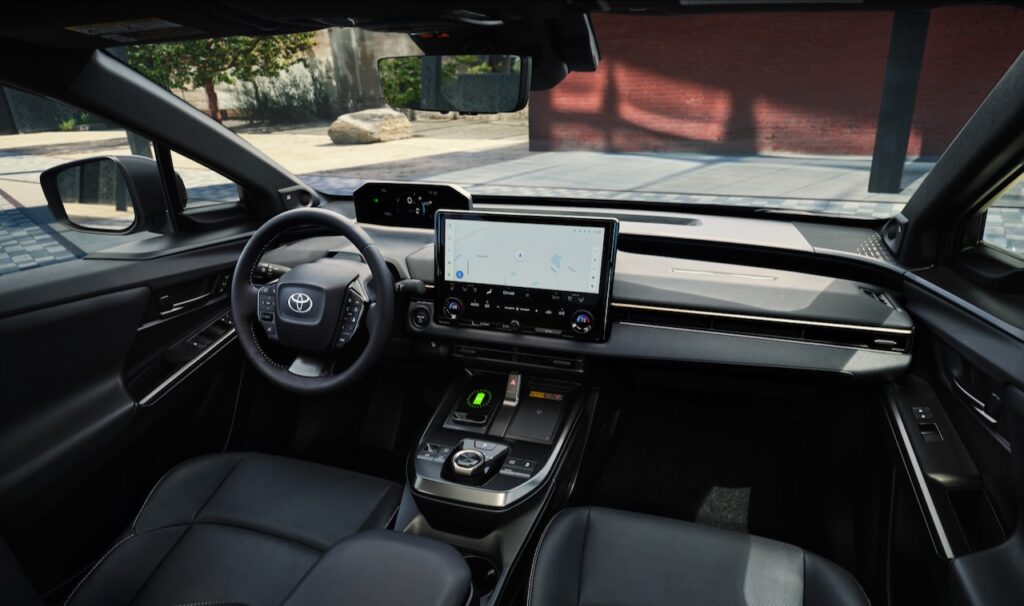
Step inside the 2026 bZ and one will find a cabin with plenty of room for passengers and the odd bit of cargo. The layout is functional and the airy ambience is part of what makes it so liveable. A standard 14.0-inch touchscreen is also on offer, a useful tech upgrade for the dashboard that puts infotainment within easy reach. From a technology perspective, the large display is among the cabin’s better features and adds to the bZ’s competitiveness.
Then there are the dual wireless phone chargers, a smart convenience that lets two smartphones go top up simultaneously. You might call it a minor point, but in a modern family car where everyone is lugging around a device, it is a sensible touch. Such details give the bZ an air of thoughtfulness even if the rest of the cabin design is wanting.
In truth, the interior is devoid of visual excitement. For all its comfort and space, it is plain and not as distinctive or modern as you would see from some of the competition. The cabins of the Hyundai Ioniq 5, Kia EV6 or Chevrolet Equinox EV have a more futuristic flair. What you get with the bZ is something that is practical but hardly leaves an impression.
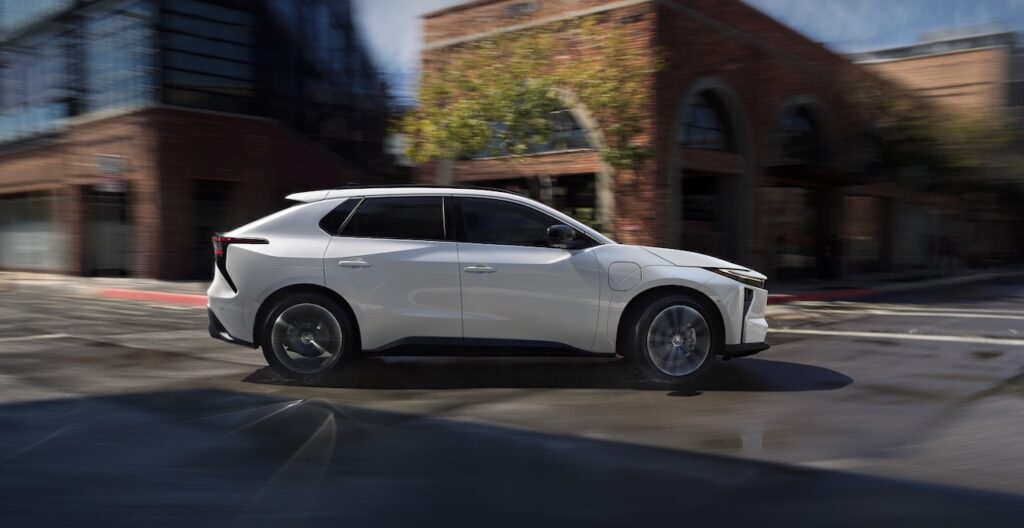
The exterior is much the same. Toyota has tidied things up, yet the 2026 model has a way of receding into the background. In a market where looks can be a big draw for an EV, the conservative styling is perhaps a missed opportunity. It has nothing against it, but it lacks the concept-car allure of an Ioniq 5 or the premium stance of others. To some it is just a Toyota crossover that is electric; it won’t be turning heads.
But that is likely the intention. The 2026 bZ is not out to be the most emotional or bold EV in its class. It is about the fundamentals: range, charging, a comfortable drive and a sensible price. The changes have made it a far more credible electric SUV than before.
The headline figure is the 314-mile range, but when you factor in the NACS charging, the 11.0-kWh onboard unit and the optional 338-hp dual-motor setup, the bZ comes across as a complete package. One could argue Toyota has been slow to gain traction in the EV space, but they are learning fast with this update.
It is not without its flaws. The fast-charging is behind some rivals, the driving is unengaging and the styling is forgettable. Yet for those who want the reassurance of a Toyota nameplate and an affordable SUV with enough range for a weekend away, the bZ deserves consideration.
Toyota has not reinvented the wheel with the 2026 bZ, but it has put right what was important. At $36,350 to start, with Tesla Supercharger access and up to 314 miles of range, it is hard to view it as anything other than a value-oriented crossover ready to put up a fight. The days of it being an experiment are over.