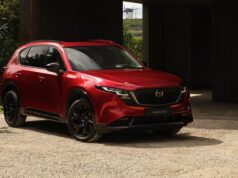
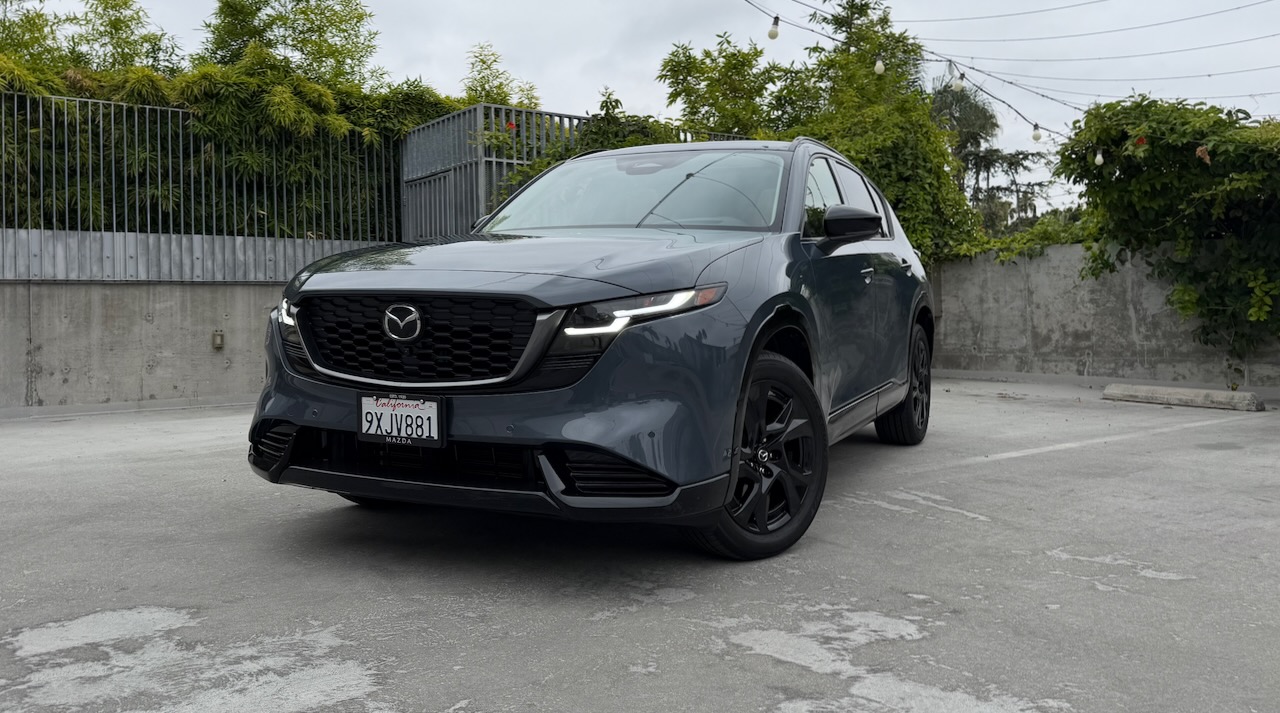
The redesigned 2026 Mazda CX-5 has grown up, but it hasn’t shed the personality that has long made one of the best compact SUVs to drive. The redesign is a more formidable opponent for the likes of the Toyota RAV4 and Honda CR-V, thanks to a longer wheelbase, a roomier cabin with a bigger touchscreen and more space for passengers and cargo, and all-wheel drive as standard equipment.
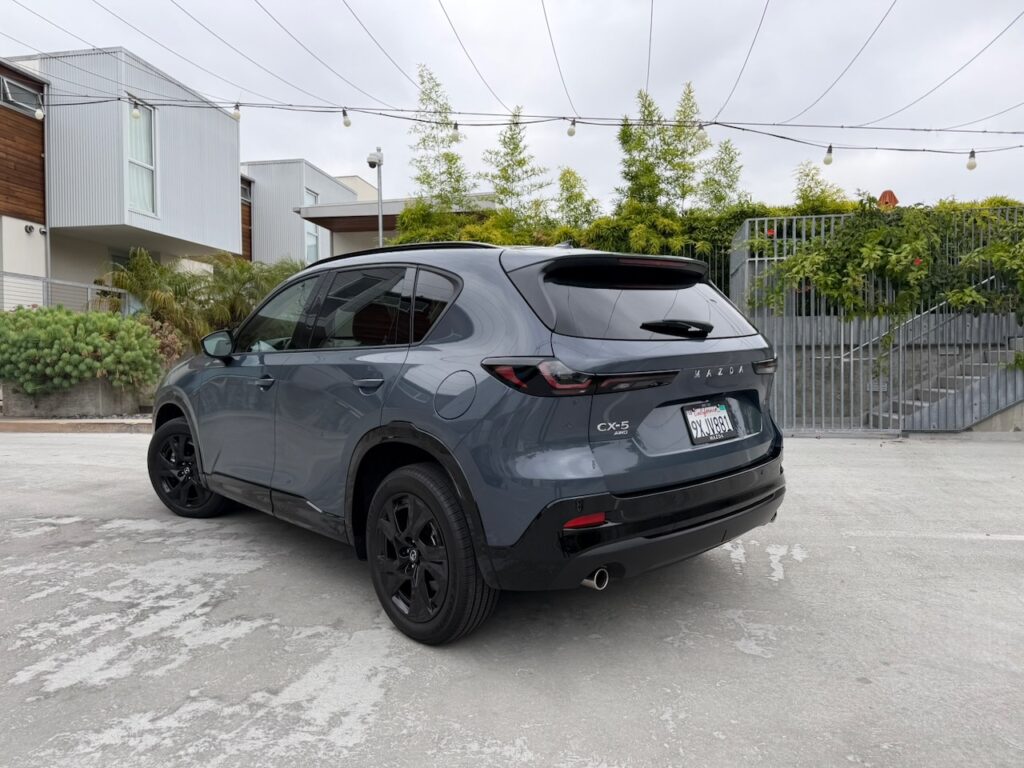
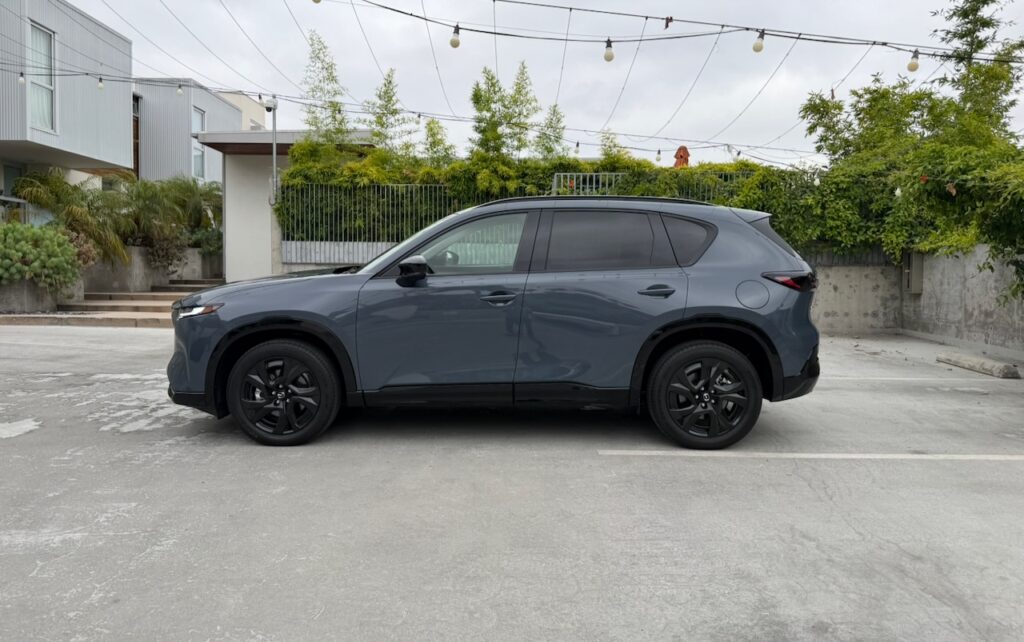
The 2026 Mazda CX-5 is now 4.5 inches longer than its predecessor, with most of that extra length going between the wheels. Rear-seat occupants are the ones who will notice, with legroom expanding to 39.9 inches. It is a good deal more than the 37.8 inches you will find in a Toyota RAV4, if not quite as much as the 41.0 inches offered by the Honda CR-V.
Cargo space is up as well. With 33.7 cubic feet behind the rear seats, the CX-5 puts the RAV4’s 32.1 to shame and is altogether more useful for the family road trip or running errands, something the old model could only be described as adequate at.
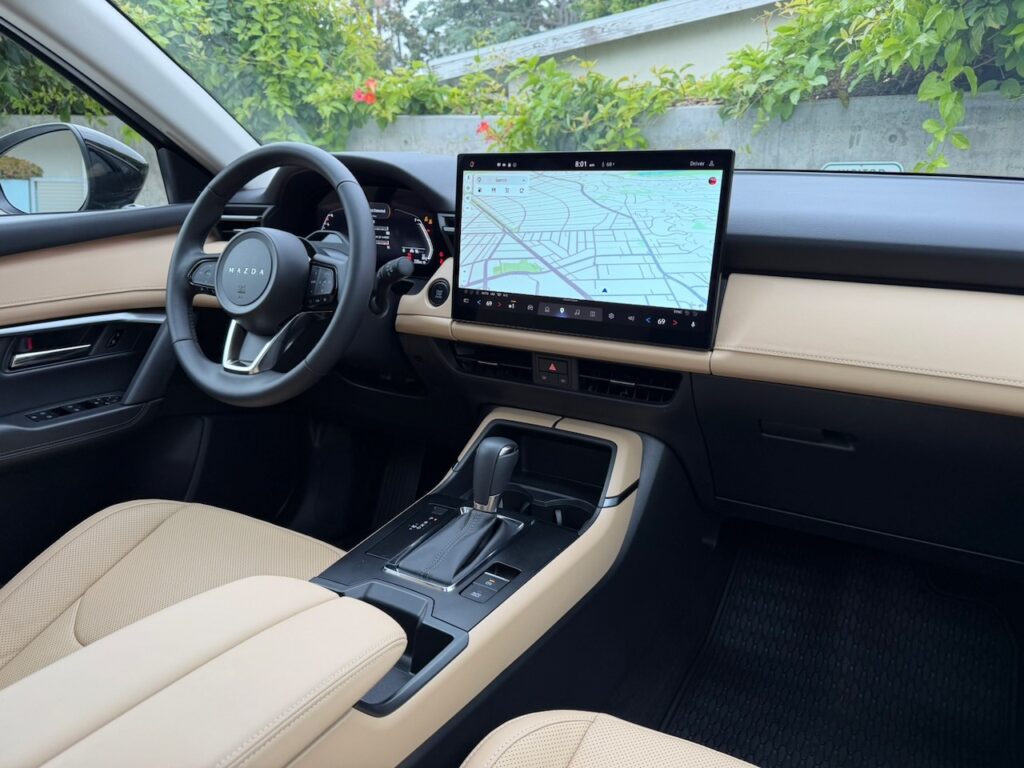
The dash has been given a contemporary update in the form of a standard 12.9-inch touchscreen; step up to a higher trim and there is an optional 15.6-inch display. They are crisp looking, but Mazda’s new interface is something of a compromise. Nearly everything is done via the screen, including things that would be simpler with a knob or button. Trying to work the climate controls while on the move can mean too many taps, and the lack of a volume dial is hard to miss. It may lend the dashboard a cleaner look, but it is not always the most intuitive approach.
The cabin has also lost some of its premium character, since there is more hard plastic than the outgoing CX-5, which undermines the upscale image Mazda has strived for. The design is still attractive, but it does not have the same luxurious feel as before which set it apart from its rivals.
[imagely id=”1589″]Under the hood you will find the same 2.5-liter four-cylinder from the last generation, mated to a six-speed automatic. It puts out 187 horsepower and 186 lb-ft of torque, with all-wheel drive standard. By sticking with the naturally aspirated unit and doing away with the turbo, Mazda has made the new CX-5 a less thrilling proposition than the one it replaces. While it is still among the class’s best handlers, it doesn’t have the same pull for those who want a bit more performance.
It is perfectly adequate for the commute or time on the highway, but don’t expect the sort of punch the old CX-5 Turbo was known for. Acceleration in town is fine by class standards, but a quick launch or an overtaking move demands a bit more forethought. The powerplant is smooth and predictable enough, if somewhat lacking in character. You can sense Mazda’s “Zoom-Zoom” ethos in the handling, not in the acceleration. For a buyer in the market for something with a sportier edge, the absence of the turbo’s midrange heft will be noticeable.
Efficiency is where the CX-5 is left behind by newer rivals. With an EPA rating of 24/30 mpg (city/highway), it is no match for the 43/37 hybrid RAV4, and even the non-hybrid Honda CR-V with AWD edges it out. A hybrid variant is promised for 2027, which would be welcome; until then, the RAV4 and CR-V hold the advantage.
What the 2026 CX-5 does best is drive well. The steering has a nice weight to it and the body is quick to react, giving the impression of being more at one with the road than most compact SUVs. Corners are taken in a composed manner, all without sacrificing ride quality. The suspension absorbs the rougher patches of pavement and the car is refined on the open road, a good balance of control and comfort for daily use.
It may not be as quick as the outgoing turbo model, but by the standards of the segment, the CX-5 still has that fun-to-drive character that we expect There is a confidence to the way this vehicle steers and sits on its chassis that one does not find in the RAV4 or CR-V. In some respects Mazda has taken the rest of the CX-5 in a more practical vein, yet it has held on to what is its greatest dynamic asset.
Pricing starts at $31,485.
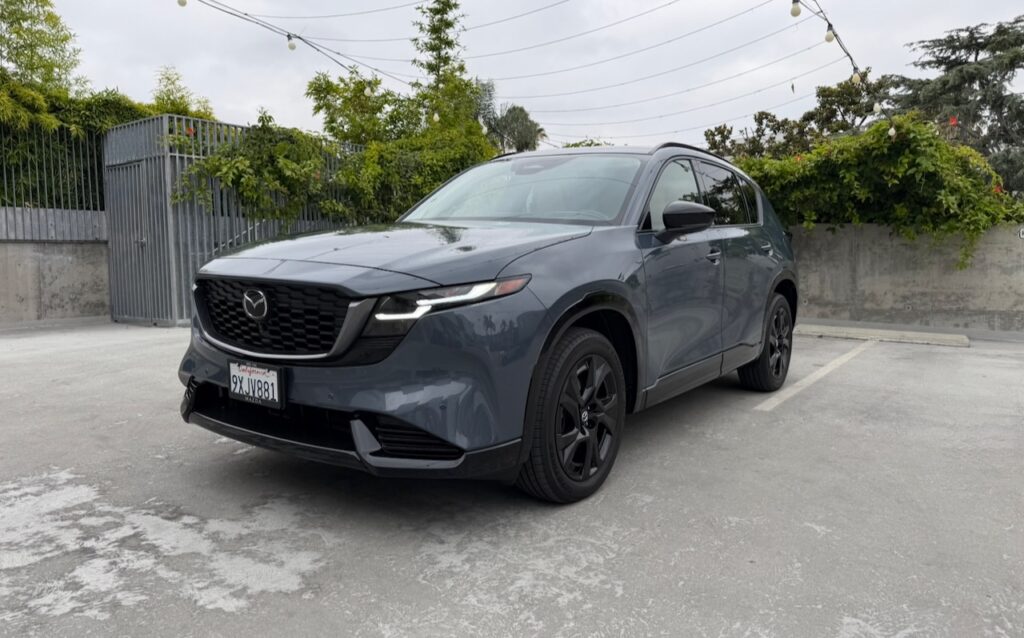
In the end the 2026 CX-5 is a more sensible proposition than what it supersedes. With standard all-wheel drive, more cargo space and more room in back, it has nearly everything that buyers in this segment want.
But Mazda has tempered some of the CX-5’s appeal. The turbo is no more, the fuel numbers are unremarkable and the screen-dominated cockpit can be trying. As a result it is less of a performance standout.