With great fuel economy, a smooth ride and a well-styled cabin, the Hyundai Sonata Hybrid is a winner. That said, it may leave those looking for driving thrills a little wanting.
The 2026 Hyundai Sonata Hybrid offers up stylish looks, great fuel economy and a smooth driving experience all rolled into one package that is more upscale than many expect. The Sonata Hybrid isn’t the most engaging sedan on the market, but if you’re more concerned about efficiency and comfort than you are about thrills, then the Sonata Hybrid has a lot to offer.
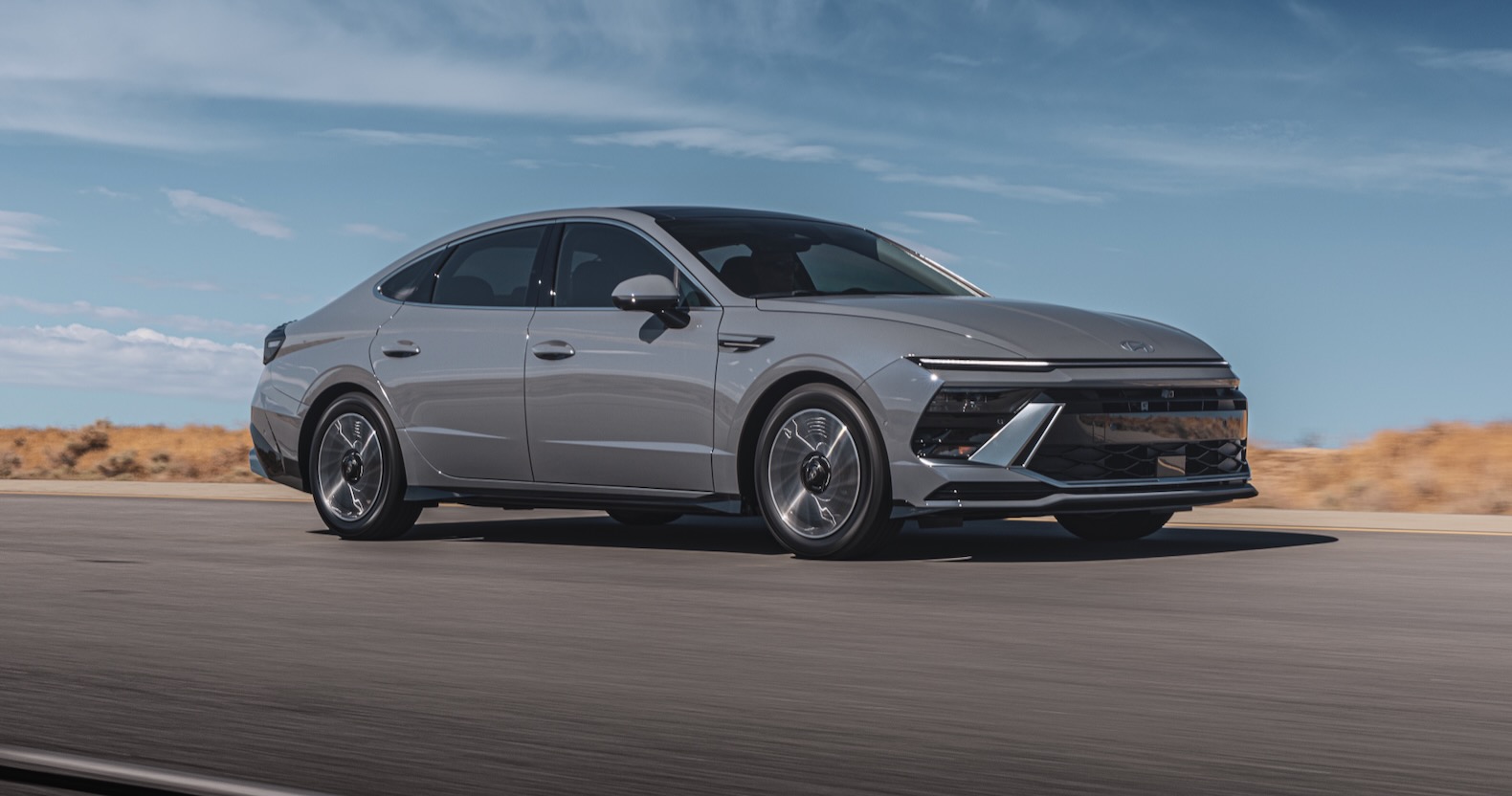
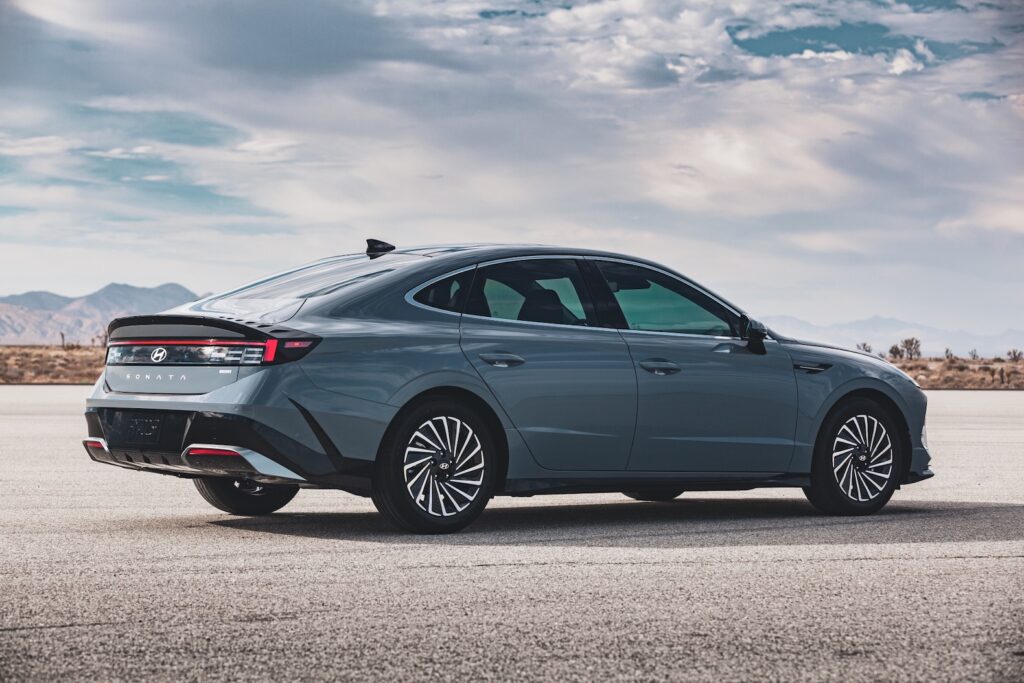
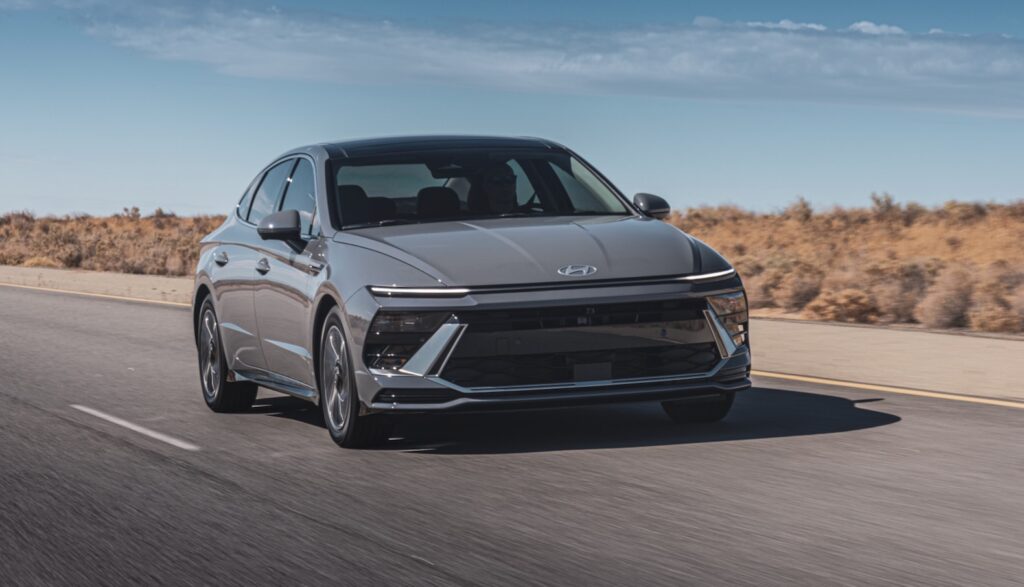
First and foremost, Hyundai’s Sonata is a good-looking car. While the likes of the Honda Accord and Toyota Camry are a little more reserved when it comes to design, Hyundai is a lot more daring with its models. The Sonata features a slick, low-slung look along with some distinctive front lighting that give it a futuristic appearance. You won’t find a more in-your-face midsize sedan in a parking lot full of crossovers and the bold styling of the Sonata might not be for everyone, but there’s something refreshing about the design.
Power in the 2026 Sonata Hybrid comes from a 2.0-liter four-cylinder engine that is paired with an electric motor. This hybrid setup generates 192 horsepower and, unlike some of its competitors, Hyundai has also equipped the Sonata with a conventional six-speed automatic transmission. This means that the driving experience in the Sonata Hybrid is a lot more familiar than what you find in some hybrids, especially when you get on the highway.
The hybrid setup gives the Sonata adequate power for everyday driving. It’s not going to set any speed records, but there’s enough power on tap to merge onto busy freeways or pass vehicles on the highway with ease. That’s about as much as the Sonata is supposed to do, because the vehicle is all about making your commute as effortless as possible.
The Sonata Hybrid has one area where the powertrain could benefit from some refinement. The transition from electric power to gasoline power isn’t as seamless as we’d like it to be. You can feel the gasoline engine kick in, especially if you’re on the highway and the vehicle is accelerating after cruising on electric power. It’s not the end of the world, but cars like the Honda Accord Hybrid do a better job of making the gasoline engine and electric motor feel like a natural pair.
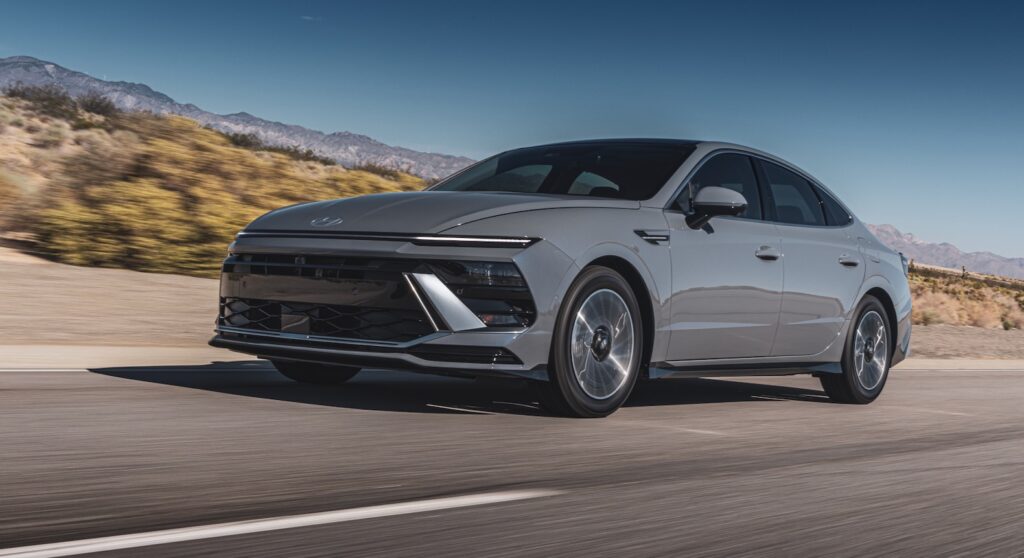
The real benefit to the Sonata Hybrid is the fuel economy that the hybrid powertrain provides. Hyundai claims a fuel economy rating of up to 47 mpg city, 56 mpg highway and 51 mpg combined, which makes the Sonata Hybrid one of the more fuel-efficient midsize sedans on the market. It can drive up to 673 miles on a full tank of gas. It also helps that you don’t have to alter your driving style to get these fuel economy numbers. You don’t have to worry about plugging the vehicle in or keeping tabs on your electric range. You just fill up the gas tank and drive, and you’ll be filling it up a lot less often.
The comfort aspect of the Sonata Hybrid shines through when you drive the vehicle. Hyundai has set up the Sonata’s suspension to absorb bumps in the road rather than providing a more engaging driving experience. This results in a very smooth ride that is particularly enjoyable on longer drives. The Sonata is quite capable when it comes to absorbing rough pavement and expansion joints.
The Sonata’s comfort-focused nature has a downside, though. Take the Sonata on a road with multiple turns, and it becomes clear that this isn’t a sedan to be enjoyed in the driver’s seat. The suspension exhibits more body motion than we’d like, and the steering is light without much feedback about what the front wheels are doing. It’s a predictable, easy-to-drive car in every way, but there’s little motivation to find a winding road to take the Sonata on. If you want a more engaging sedan, the Honda Accord Hybrid may be more rewarding to drive.
On the positive side, though, the Sonata’s comfort-driven personality goes hand-in-hand with a surprisingly quiet cabin. Both road and wind noise are well suppressed, so you can have a conversation without having to raise your voice, even on the highway. That quiet cabin, in conjunction with the comfortable suspension, gives the Sonata a refined feel that makes it a great companion for both the daily commute and road trips.
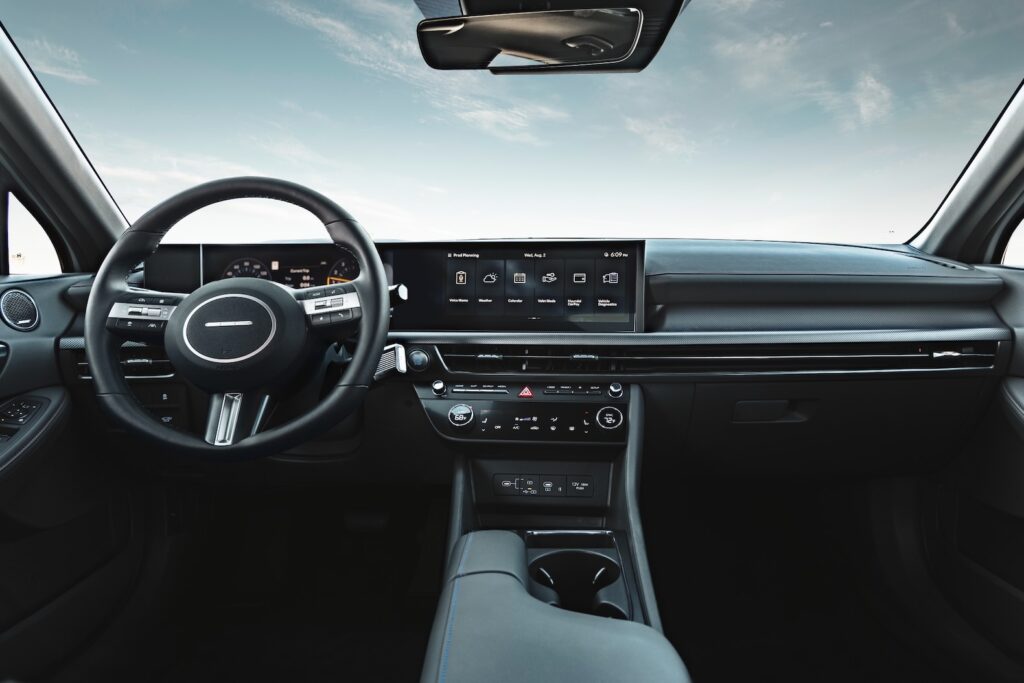
The Sonata’s interior benefits from Hyundai’s emphasis on technology and modern design. With a standard 12.3-inch infotainment touchscreen, the car’s cabin looks right at home in the modern day. An available 12.3-inch digital instrument cluster goes hand-in-hand with the large infotainment display to create a wide and cohesive display layout. The screens are easy to view and help add a more premium feel to the cabin. We also like how Hyundai has done a great job integrating the technology in the cabin with the rest of the car’s design rather than just sticking a large tablet onto the dashboard.
As a driver and passenger, the Sonata provides a comfortable place to be. However, the back seat isn’t as comfortable as you may expect from a midsize sedan. Legroom in the back seat is notably more limited than in the Honda Accord, which is one of the roomiest midsize sedans on the market. Adults can still sit comfortably in the back seat, but taller passengers may find themselves wishing for just a bit more legroom, especially during long journeys. It’s one of the more glaring compromises we’ve noticed in the Sonata, and one that might bother some shoppers.
Even with that caveat in mind, the Sonata Hybrid makes for a very good daily-driver sedan. The car may not have an athletic personality like some of its competitors, and its unconventional styling may not be for everyone, but Hyundai has clearly focused on the aspects that are most important to midsize sedan shoppers. The Sonata is a comfortable and quiet car that delivers great fuel economy while offering a wealth of technology that modern drivers expect.
The 2026 Sonata Hybrid is available in three trim levels: Blue, SEL and Limited. The pricing starts at $30,495.
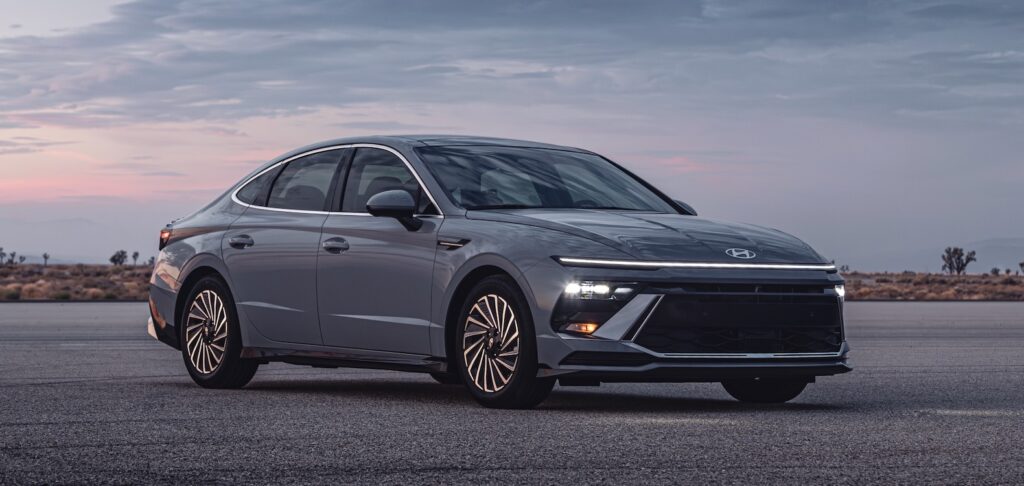
Ultimately, the 2026 Hyundai Sonata Hybrid is a success because it knows what it is. Rather than making the Sonata’s driving experience more sporty than it needs to be, Hyundai has instead created a sedan that will make the daily commute a little bit more relaxing while providing great fuel economy. We’d prefer a smoother powertrain and a more communicative steering feel, and a roomier back seat would be nice, but these minor gripes don’t take away from the strengths of the Sonata.
For anyone who isn’t ready to give up on the midsize sedan yet, the 2026 Hyundai Sonata Hybrid is a great reminder that a comfortable and efficient ride with unique styling can make a traditional four-door a very appealing alternative to another SUV.