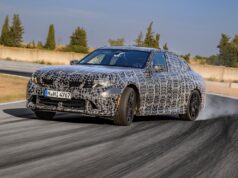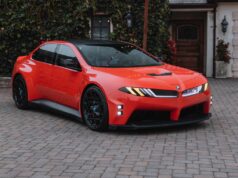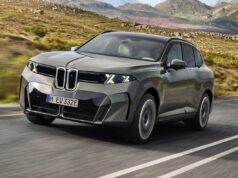
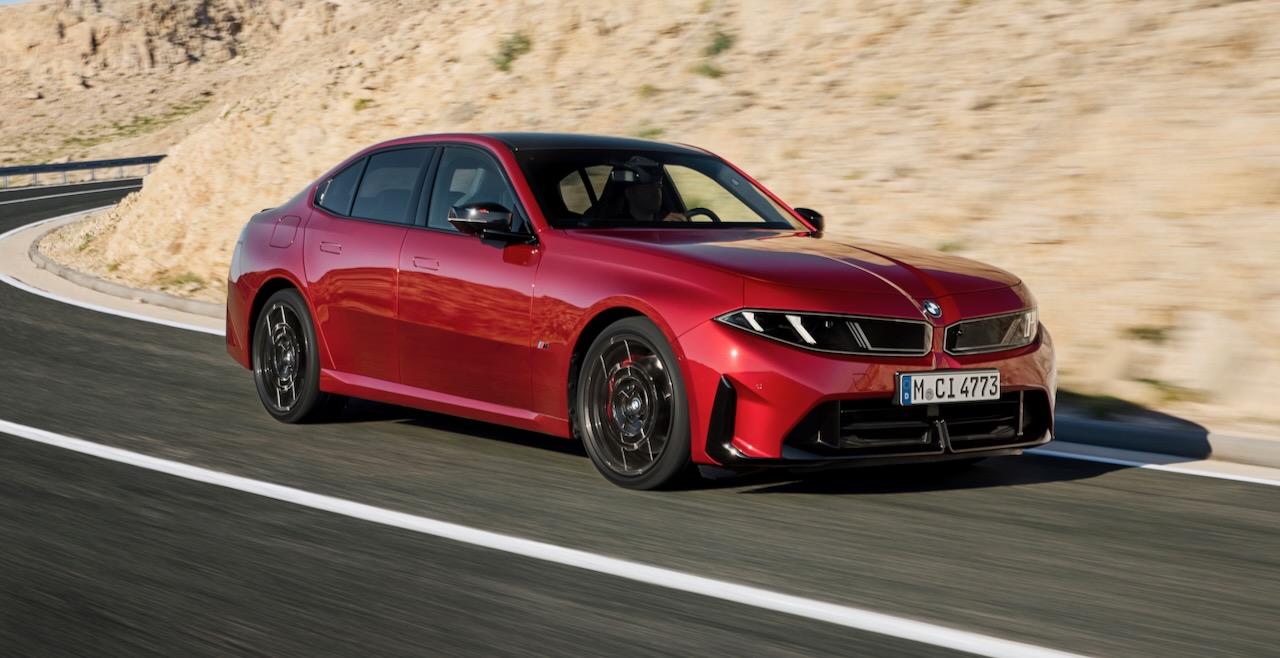
For 2027, the BMW 3-series is in for a thorough overhaul. The extent of the revisions will be hard to miss; they run much deeper than a fresh grille or an interior tweak or two. In fact, this reworked sedan is the first of its kind to make a complete commitment to BMW’s Neue Klasse design and tech, and it comes with the added bonus of a new electric option.
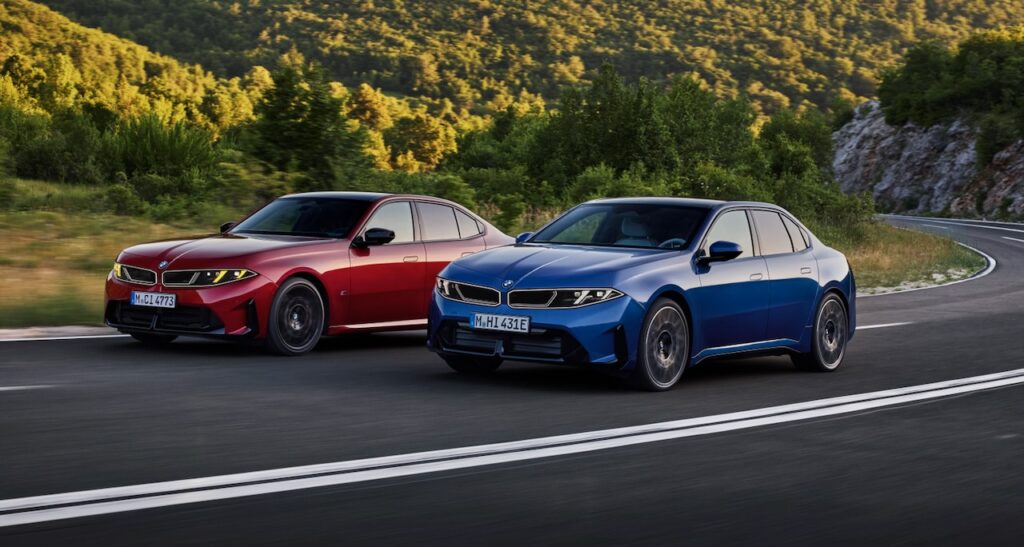
The 3-Series retains its identity as a compact sports sedan with a long hood and short overhangs that put the cabin well back. But up close the styling has been sharpened. There are slimmer lights, a wider track, flush door handles and BMW’s newest version of the kidney grille.
Under the skin, the M350 xDrive has the typical M Performance treatment with a rear spoiler, quad exhaust and a more aggressive look. The all-electric i3 is also on offer, sharing most of its body with the combustion engines.
As for when these will be on the road, BMW expects the first U.S.-market examples to be delivered in the first quarter of 2027.
2027 BMW 3-Series Pricing
| Model | Price with destination |
|---|---|
| 2027 BMW 330 | $51,250 |
| 2027 BMW 330 xDrive | $53,250 |
| 2027 BMW M350 xDrive | $67,250 |
| 2027 BMW i3 50 xDrive | $62,850 |
Pricing for the i3 M60 xDrive has not been announced, but it is due later in the year.
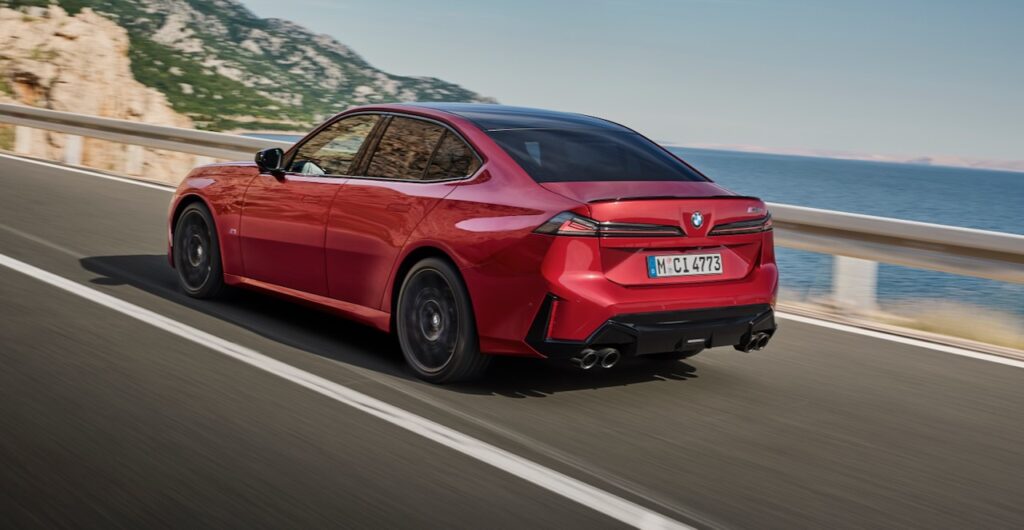
The M350 xDrive is the pick for enthusiasts and the top gasoline offering, having taken the place of the old M340i. A turbocharged 3.0-liter inline-six mated to a 48-volt mild-hybrid provides 437 hp and 428 lb-ft of torque.
BMW puts the 0-60 time at 3.9 seconds, or 3.6 if one uses a one-foot rollout. Standard equipment includes an eight-speed auto and all-wheel drive, along with M Sport brakes, variable sport steering, an electronically controlled limited-slip differential and Adaptive M Suspension.
Later in 2027 a software update will bring Drift Moment. Switch off the stability control and it can direct power to the rear wheels only. It is BMW’s way of competing with the drift modes now seen in so many performance cars, although we would imagine the average owner will reserve it for a day at the track rather than the morning commute.
Both the 330 and 330 xDrive are powered by a 2.0-liter turbo four with a 48-volt mild-hybrid system for 255 hp and 295 lb-ft of torque. With the standard eight-speed automatic, BMW sees a 5.9-second sprint to 60 mph. The hybrid setup is meant to improve fuel economy and give the engine some extra responsiveness when accelerating or recapturing energy on the way down, not to propel the car under its own steam.
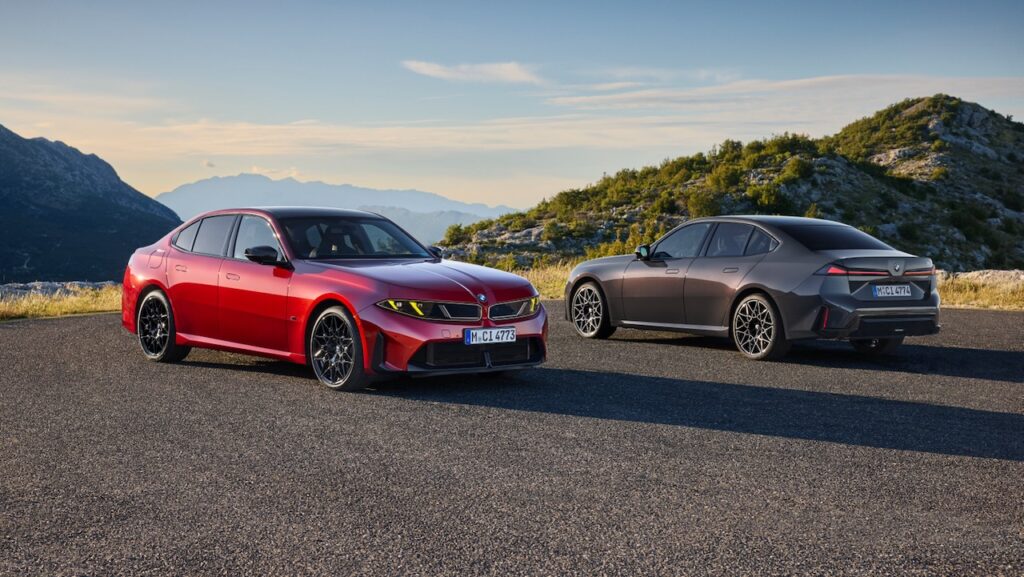
Do not mistake the new i3 for the small hatchback BMW from a few years back. This is the proper electric equivalent of the 3-Series sedan. The i3 50 xDrive has an electric motor per axle for 463 hp and 476 lb-ft of torque, good for a 4.5-second run to 60. When it comes to the estimated range, that is the figure that stands out. BMW has put the i3 50 xDrive at between 446 and 468 miles per charge. But one should take those numbers with a grain of salt for now; they are preliminary and the EPA has yet to put a final stamp on them.
Under the skin the car is built on BMW’s Neue Klasse EV platform, complete with an 800-volt electrical system and cylindrical battery cells. The manufacturer claims the cell-to-pack configuration of the battery serves to cut down on weight while boosting energy density.
Put the i3 to a DC fast charger with enough juice and it can take up to 400 kilowatts. BMW’s estimate is that 10 minutes at the plug will put 191 to 208 miles back on your odometer. Then again, chargers of that calibre are not yet commonplace, so in practice the time required will be dictated by the station in question as well as the battery’s state of charge and temperature.
There is also the matter of bidirectional charging. With the right equipment, owners can draw from the vehicle’s battery to run a home or some tools and appliances. The vehicle-to-load output is good for 3.7 kilowatts. And if you leave the navigation to the car, it will handle the planning of charging stops, taking into account how long each session will take and what is available at the charger.
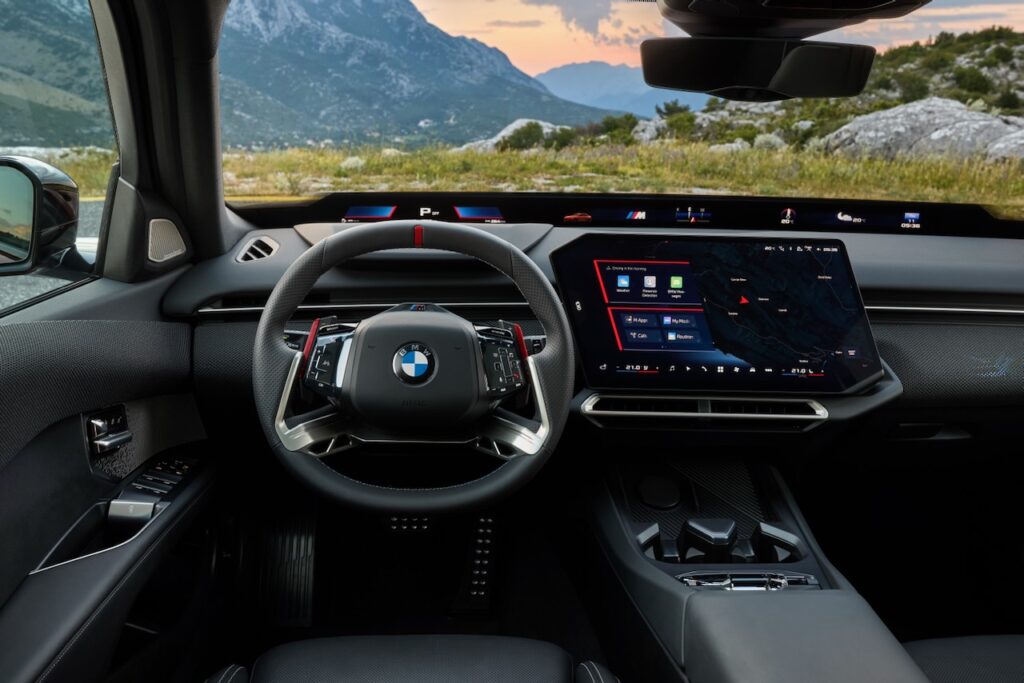
The interior of the 2027 3-Series has been dominated by the new Panoramic iDrive system. It is a combination of a 17.9-inch center touchscreen and a wide display projected onto the lower windshield. An optional 3D head-up display puts driver-assistance and nav data in front of the driver to spare him the need to look down, though there is no denying the amount of information vying for one’s attention.
BMW has not done away with all physical controls, however. The center console retains its buttons and switches for the volume, parking brake, hazard lights and rear defroster. Running on the BMW Operating System X, the setup supports wireless Apple CarPlay and Android Auto. The voice assistant has been given an overhaul with Amazon Alexa+ to give commands a more conversational tone, and as many as seven drivers can store their own preferences, from color to widgets.
Every 2027 3-Series will have Level 2 driver-assistance as standard, covering everything from adaptive cruise control with stop-and-go to lane-keeping and blind-spot monitoring. For those who want to let go of the wheel on a compatible highway at 85 mph, there is the optional Highway Assist, provided the driver remains alert and prepared to intervene.
Parking has been made easier too. The Parking Assistant Plus comes with a 360-degree camera, while the Professional version lets one direct certain maneuvers from the My BMW app.
Production of the electric i3 started in August 2026 at the Munich facility following a thorough renovation of the plant; the gas models will come from Dingolfing. The first of these should be in the U.S. by the first quarter of 2027.