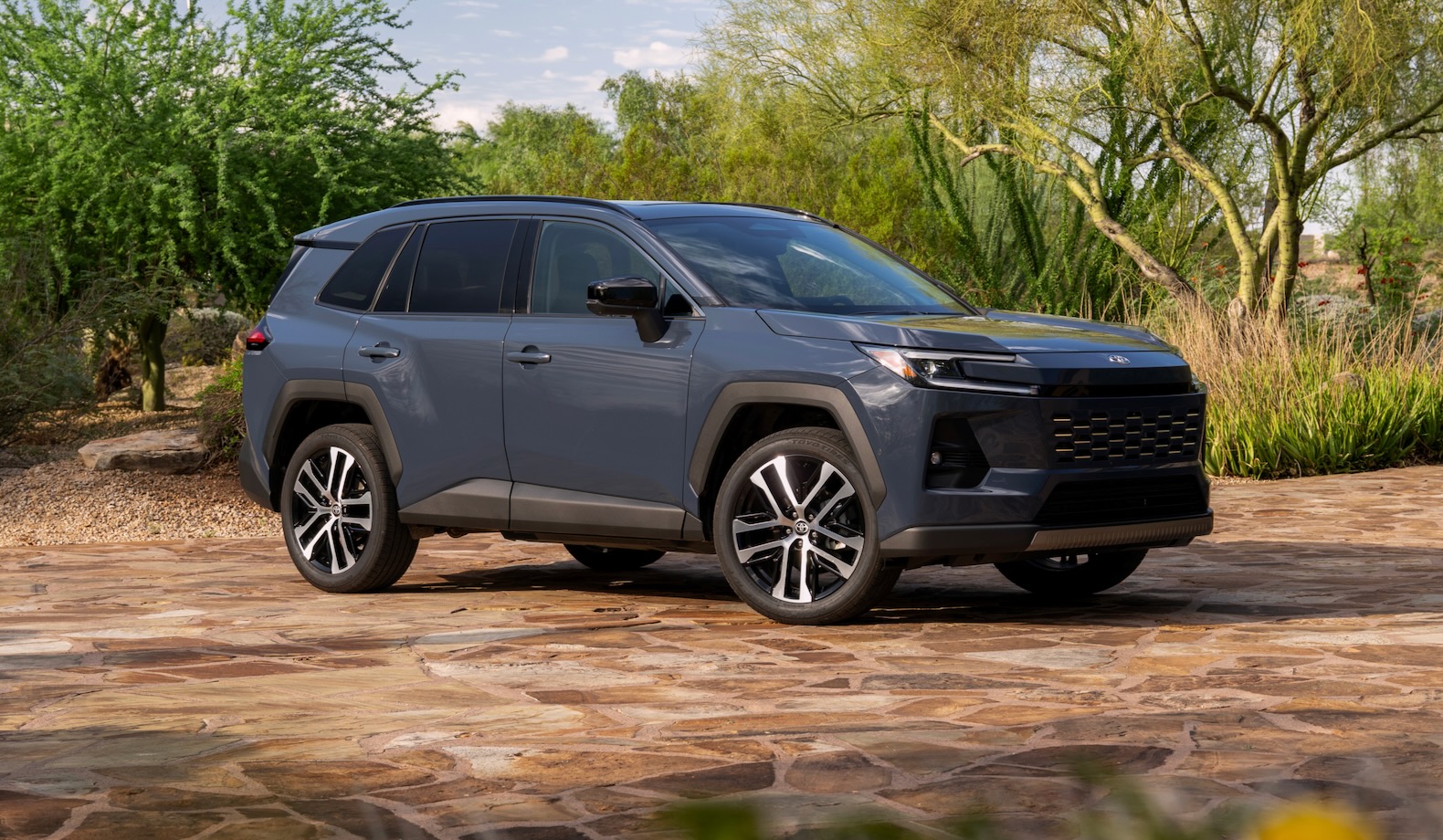
Toyota has a way of making the RAV4 appeal to just about everyone, and for 2026 the company is not going to tinker with that winning formula so much as put a modern spin on it. The result is a 2026 Toyota RAV4 that is electrified in every trim level. Hybrid power is standard now, while those who would prefer to do without gasoline for the bulk of their driving can opt for a far more potent plug-in variant.
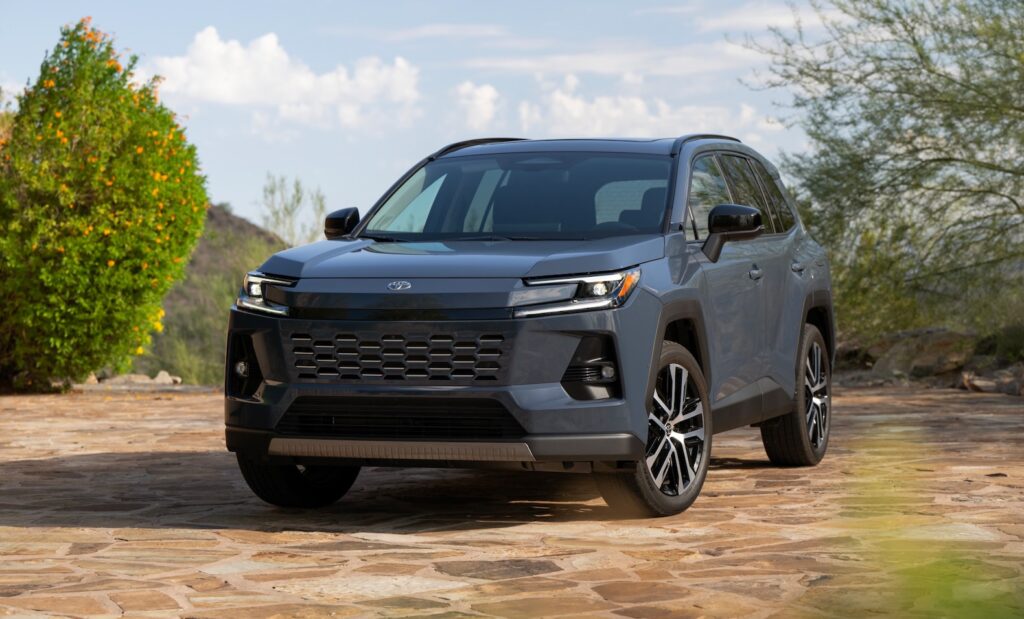
It is an SUV with much to recommend it. You get a vehicle that is roomy and well-priced yet still has the capability for a weekend of camping or the ordinary daily grind. It won’t set your pulse racing behind the wheel, and if you look closely at some of the interior finishes you are reminded this is a mainstream product and not something of a more premium order. But at a starting price of $33,495, the latest RAV4 is very good at what compact SUV buyers want from it.
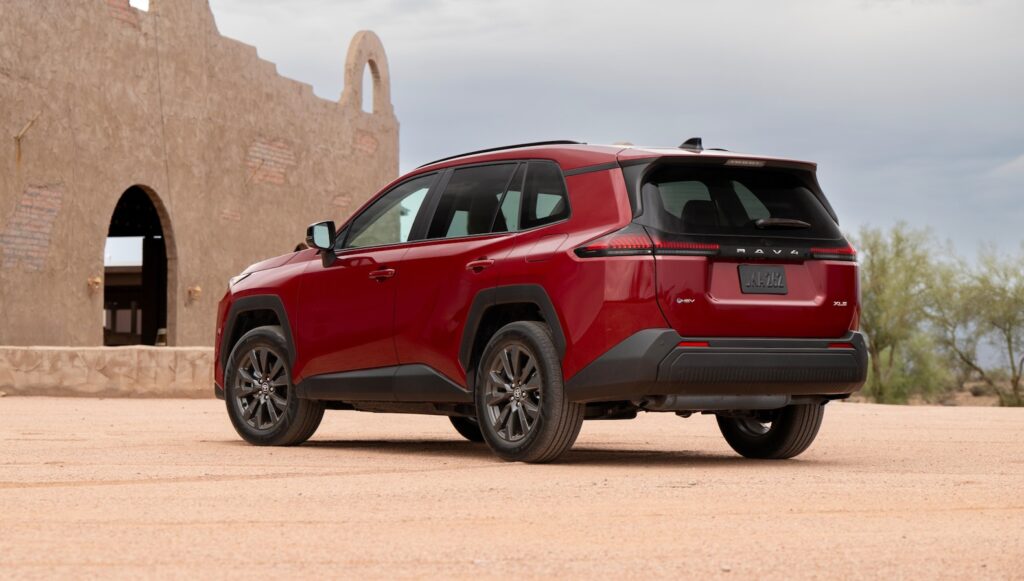
Under the hood is where you will find the most notable changes. The standard 2026 RAV4 Hybrid makes do with 226 combined horsepower courtesy of two electric motors and a 2.5-liter four-cylinder. If you opt for all-wheel drive, you’ll get an extra electric motor on the rear axle, bumping output to 236 hp.
You aren’t going to be pinned back in your seat, but then again, that is not the objective. Around town the electric motors give the RAV4 an immediacy off the line that is quite responsive. In normal circumstances the shift from one form of power to another is seamless enough that one can put in miles without giving the powertrain a second thought.
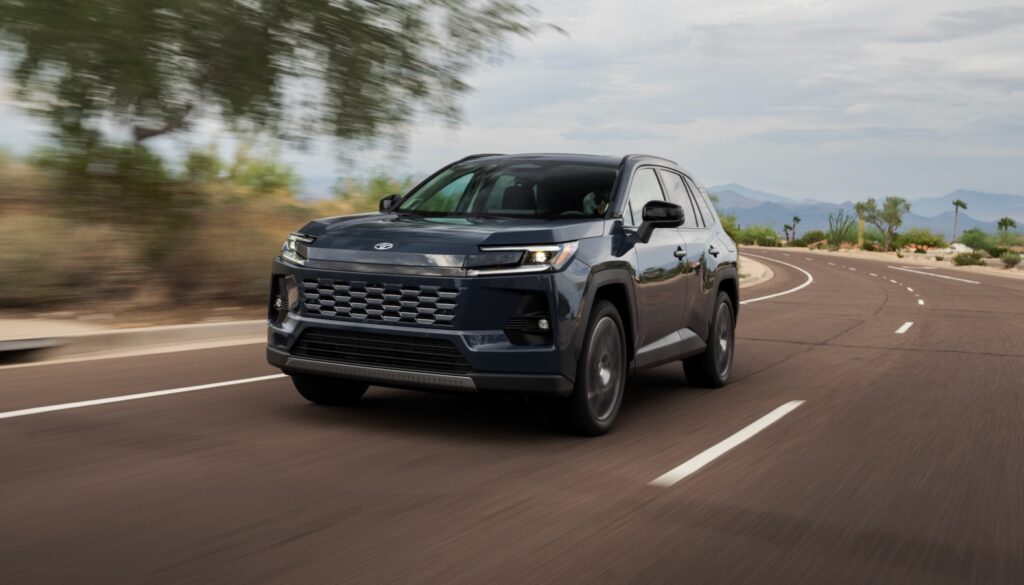
Apply some pressure and the refinement gives way. Make demands of the 2.5-liter and it can sound coarse and strained; it is one of the few occasions the otherwise polished setup draws attention to itself.
The hybrid does its job when it comes to fuel economy. With ratings of up to 47 mpg in the city and 40 on the highway, the 2026 model puts down impressive figures.
If you are prepared to plug in, the 2026 Toyota RAV4 Plug-In Hybrid is a different story altogether. At 320 horsepower and with standard all-wheel drive, it is by far the most powerful of the bunch. Then there is the matter of its 54-mile EV range and available DC Fast Charging capability.
An overnight charge at home and you can run the RAV4 like an EV for your week’s commutes, with the option of the gas engine for a longer trip down the road.
Step inside and the RAV4’s popularity as a family hauler makes sense. The upright design lends an airiness to the cabin and getting in and out is simple. Both rows have ample room, even for adults in the back. And the ride is as agreeable as you could hope for. You can tell Toyota has put comfort ahead of athleticism with the RAV4. The suspension is adept at keeping passengers from feeling the worst of broken pavement and other daily road annoyances.
But there is a cost to that.
When the tarmac becomes more engaging, the RAV4 doesn’t put on a sporty act. We noticed more body roll in the corners than we would have liked and nothing about it tempts one to find a winding road for the sheer pleasure of driving. This is all the more apparent given the 320-hp plug-in hybrid option, which has the power to be something of an experience. Yet straight-line performance and handling are not one and the same, and the RAV4 is resolutely comfortable. Most will not mind, but those in the market for a compact SUV with some real character might look elsewhere.
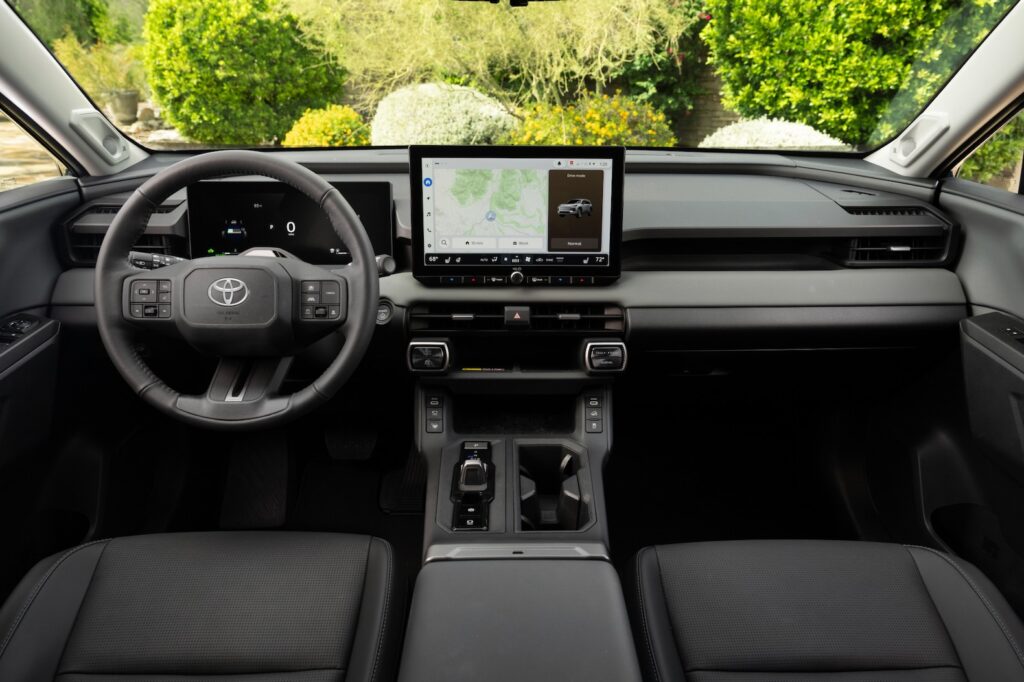
Toyota has seen to it that the cabin does not seem dated in its use of screens. A 10.5-inch touchscreen is standard on every 2026 model, with a 12.9-inch version available and you will also find a 12.3-inch digital gauge cluster as part of the package. The infotainment is easy enough to work and the bigger display lends the dash a more modern air.
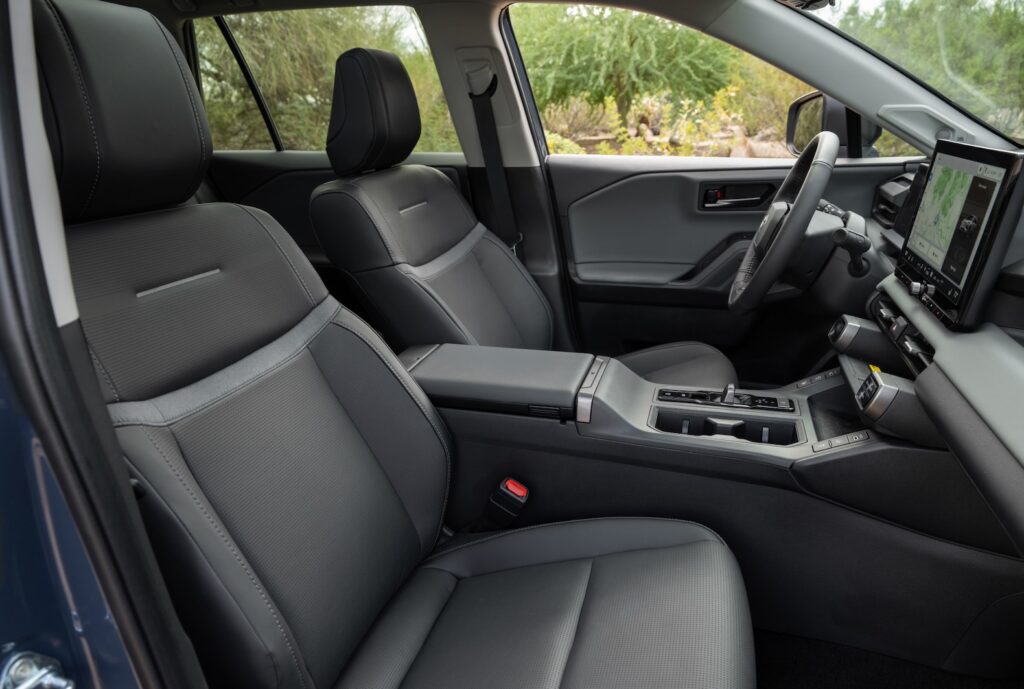
We do not think the extra screens make the interior any more upscale, however, and that is a criticism we have. There are plastics on the door panels and dashboard that seem a bit cheap for what you are paying, especially in the higher trims. The styling is rugged and functional, but rivals have shown you can have a more premium feel in a mainstream SUV without overcomplicating things.
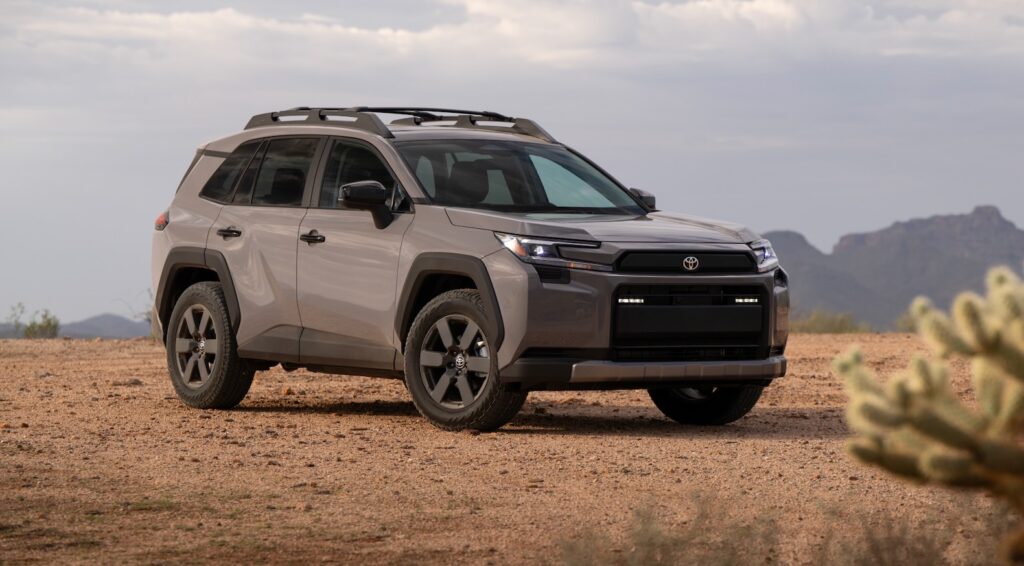
With the 2026 RAV4, Toyota gives you six options: the LE, SE, XLE Premium, Woodland, XSE and Limited. It is a wide enough spread to suit anyone who wants to keep costs down or add some comfort, or perhaps embrace the outdoorsy nature of the Woodland.
Pricing begins at $33,495, so it is accessible for those wanting an efficient compact SUV without the luxury brand sticker. And the RAV4’s utility is not confined to trim levels; with the right setup it will pull 3,500 pounds, be it a small camper or utility trailer. In the end, the RAV4’s success comes from a mix of price, space and capability rather than any one headline figure.
The Verdict
Do not expect the 2026 RAV4 to be the pick of the bunch for enthusiasts. The chassis and steering lack playfulness, the gas engine makes noise if you press it, and the hard plastics inside prevent the cabin from being as refined as the new tech would have you believe.
To judge the RAV4 on excitement alone is to miss what Toyota has done well. The standard hybrid puts out 226 hp and will get you to 47 mpg (or 236 hp with all-wheel drive). The plug-in variant is another matter entirely, offering 320 hp, 54 miles of electric range and standard AWD. Toss in the roomy cabin, the towing capacity and a ride that is easy on the back, and you have a vehicle that covers a lot of ground.
Then there is the fact that Toyota has made electrification the norm instead of making you pay for the privilege of a hybrid.
At $33,495 and up, this is an SUV we can recommend without hesitation because it demands few concessions. It is not going to make your morning commute an event. Rather, it will see you through it in comfort and efficiency, with the versatility for whatever the weekend brings. For most compact SUV owners, that is of far more value than being the sharpest driver in the class.