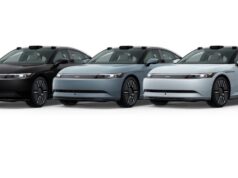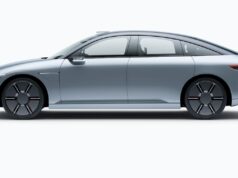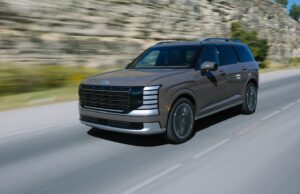

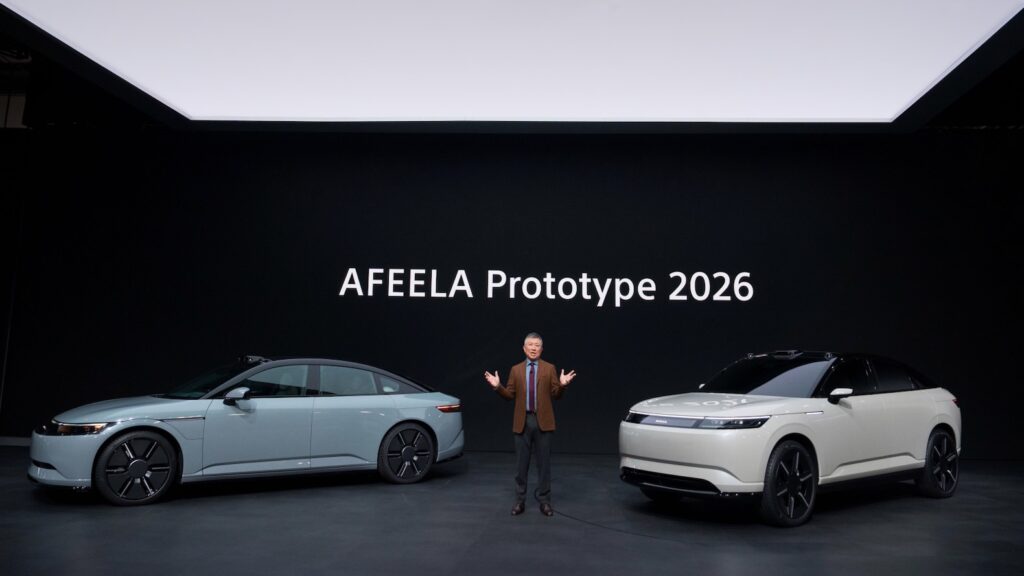
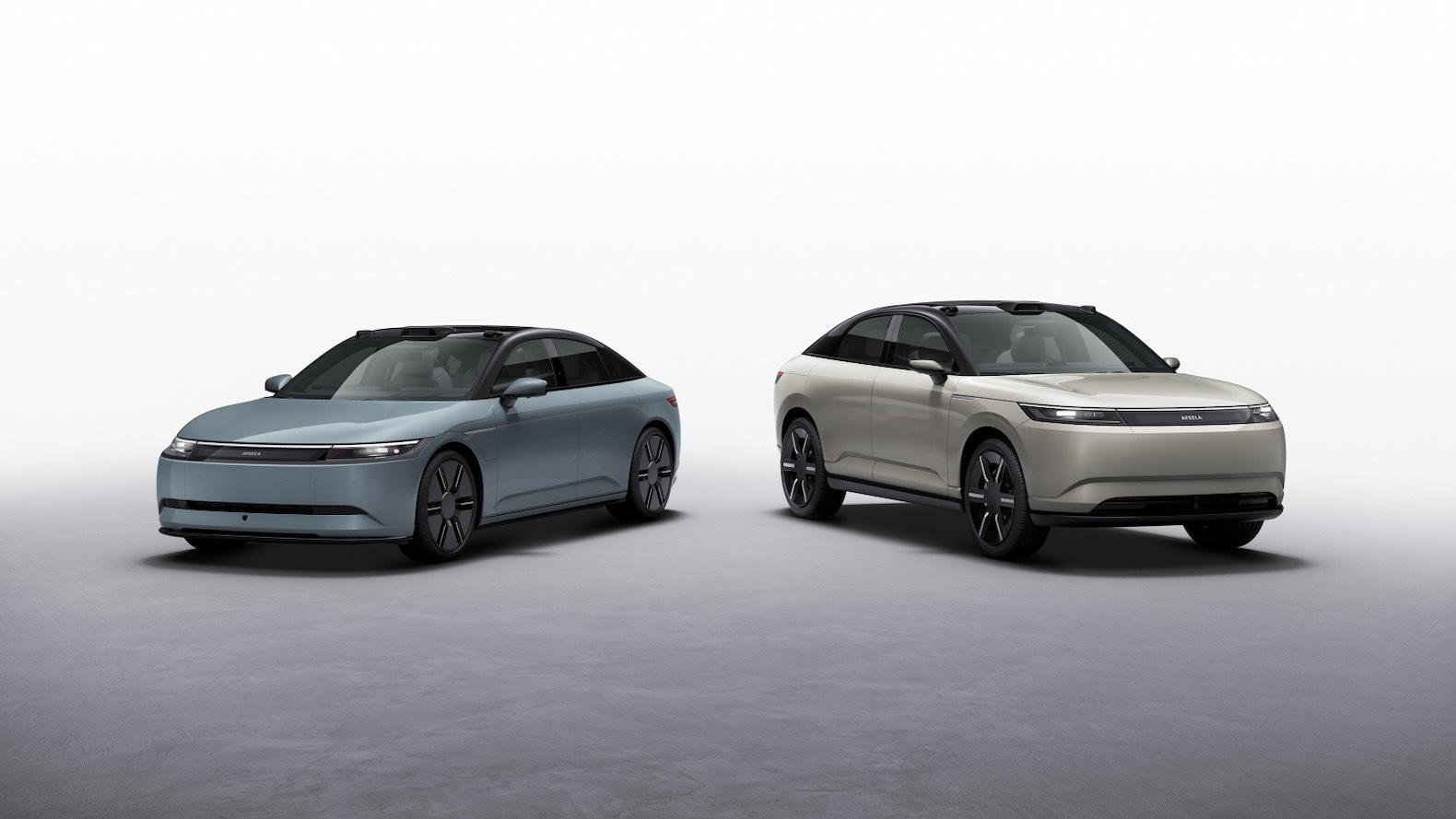
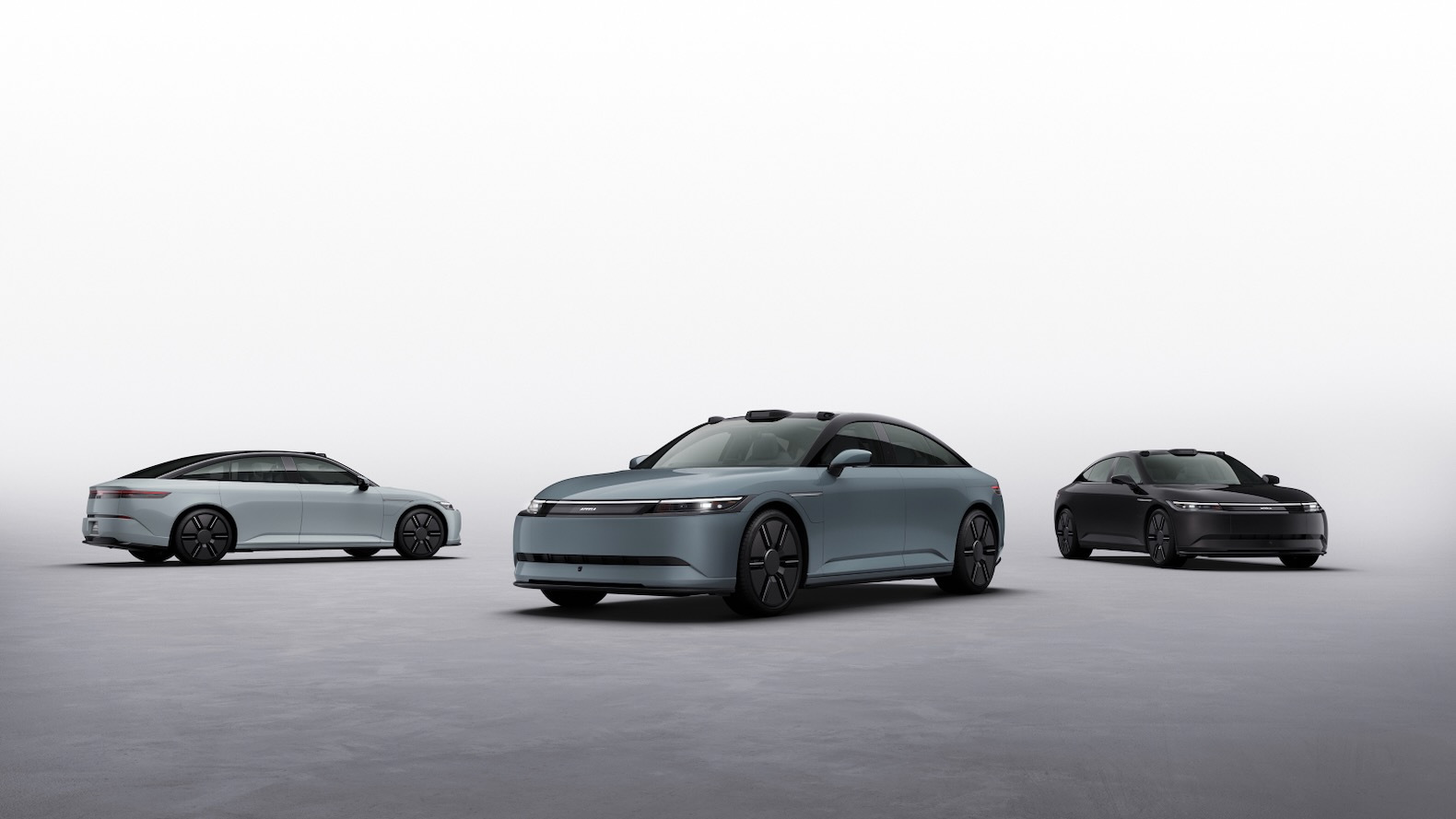
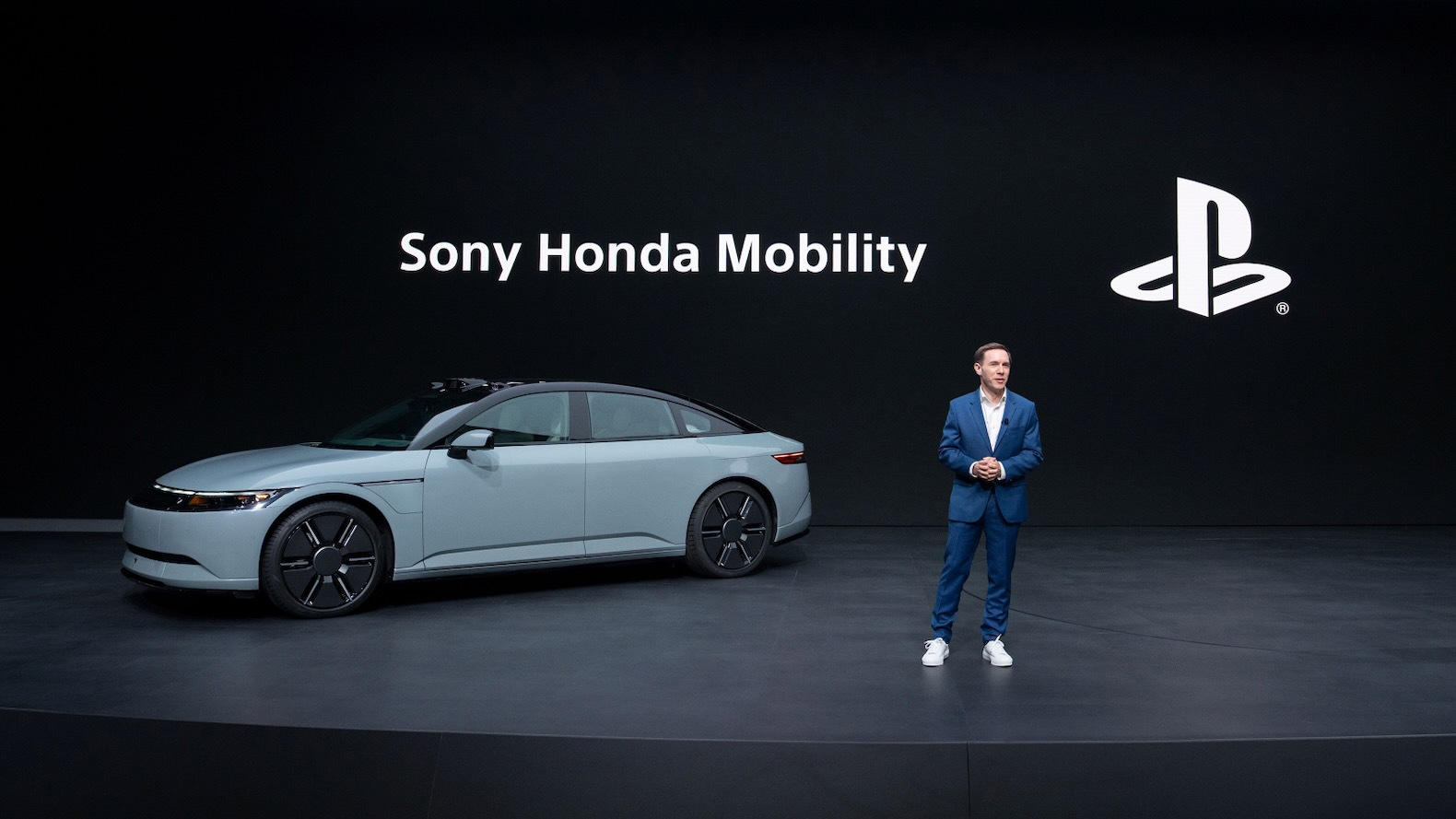
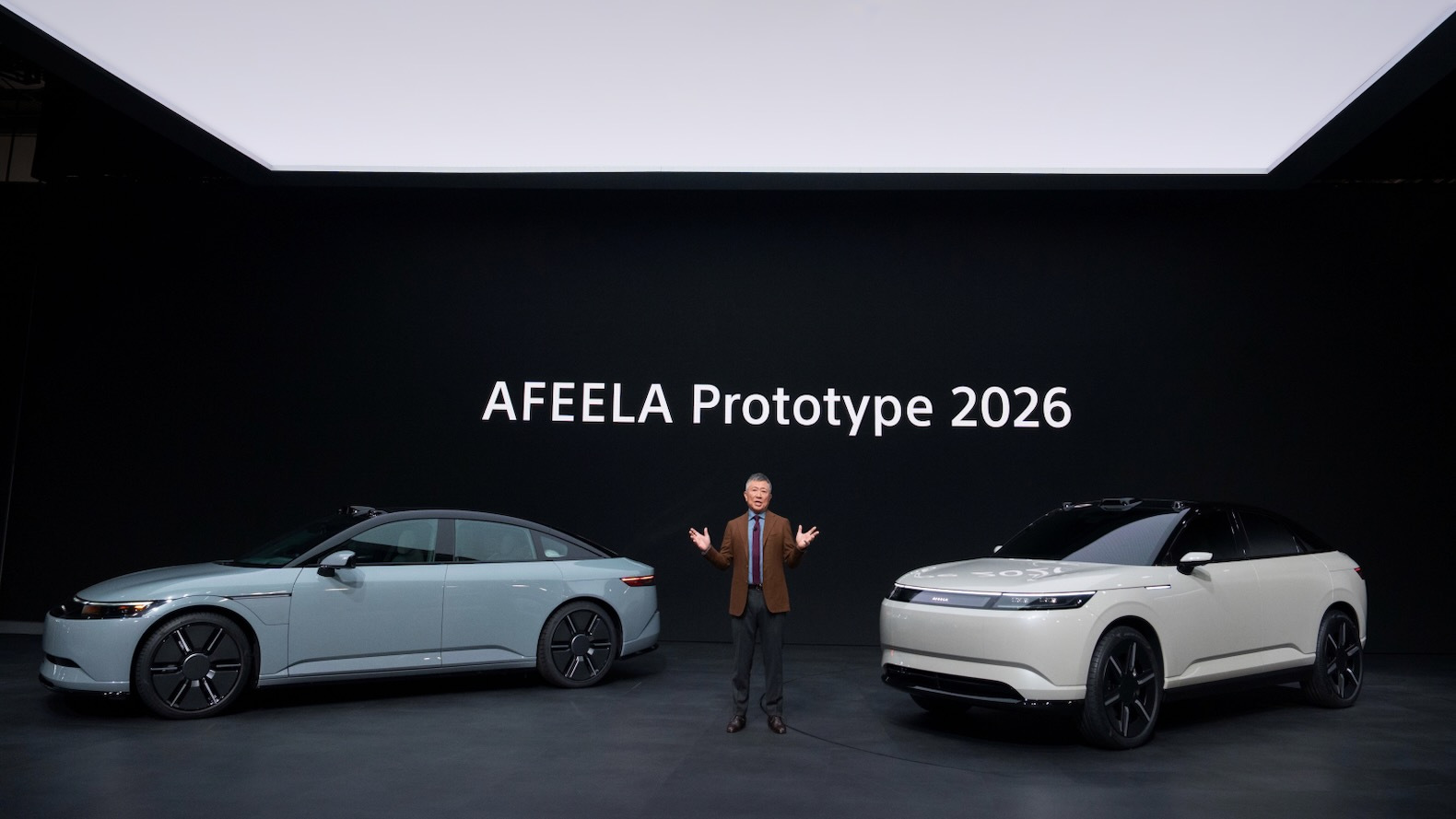
Afeela, the EV brand from Sony Honda Mobility, used CES in Las Vegas to reveal its next major step: a new electric SUV prototype that builds on the upcoming Afeela 1 sedan with more interior room, greater flexibility and a clearer path toward becoming a volume model. With the Afeela 1 nearing production, the SUV serves as a preview of the brand’s expansion, with SHM targeting a U.S. launch as early as 2028.
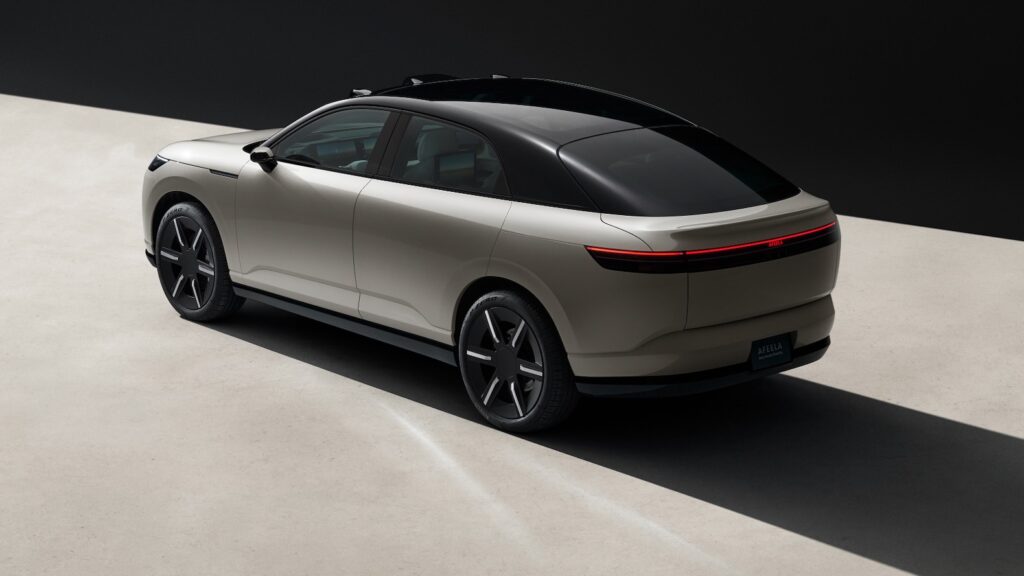
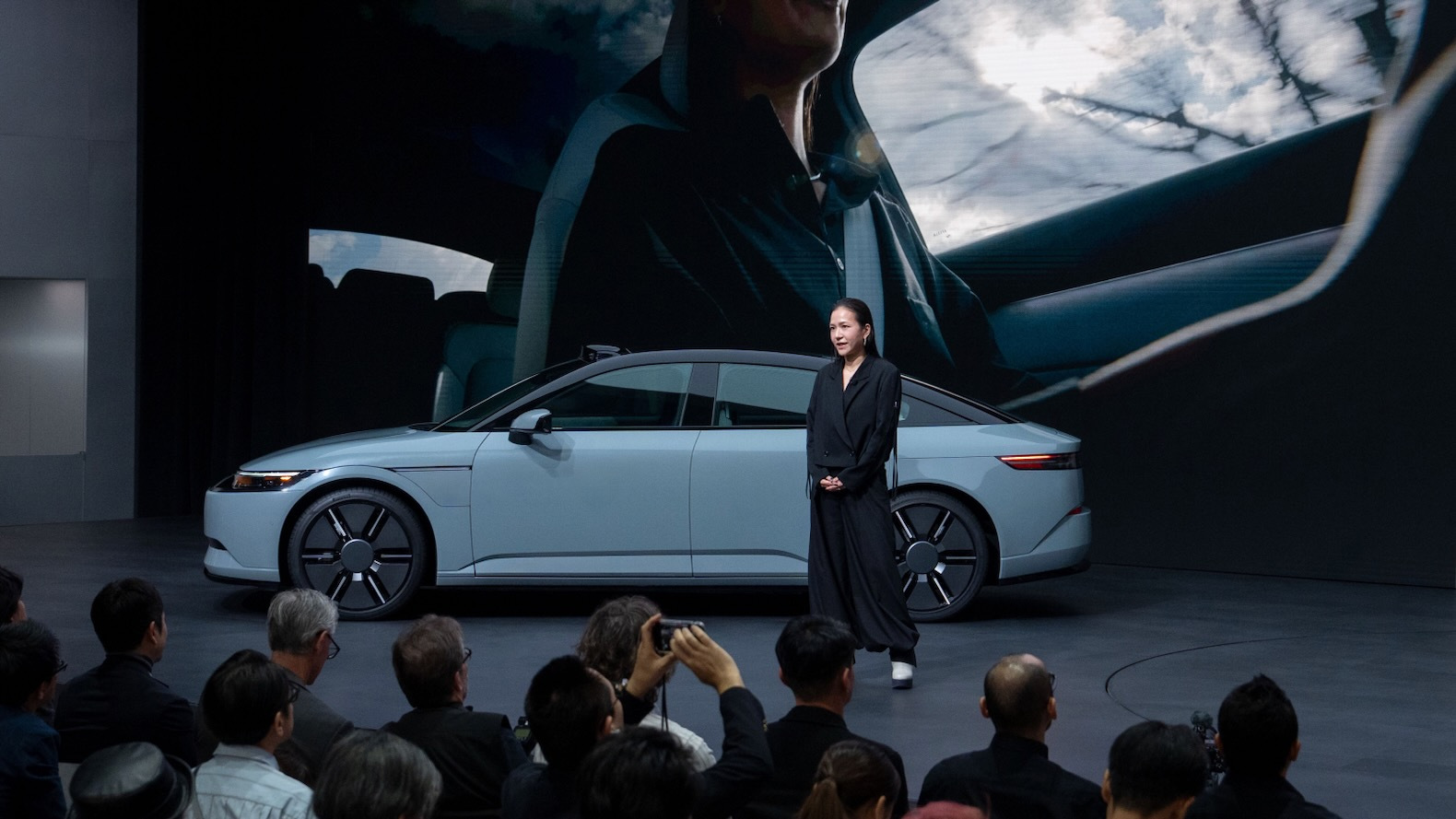
While most automakers spent CES showcasing incremental updates, Sony Honda Mobility focused on redefining what mobility itself can be. At the core of its vision is the transformation of the vehicle into a “Creative Entertainment Space,” an AI-driven environment designed to understand user preferences, adjust to emotions and turn travel time into something more meaningful than simply getting from point A to B. Afeela’s goal is to shift the cabin from a traditional cockpit into a personalized digital space shaped by software and continuous learning.
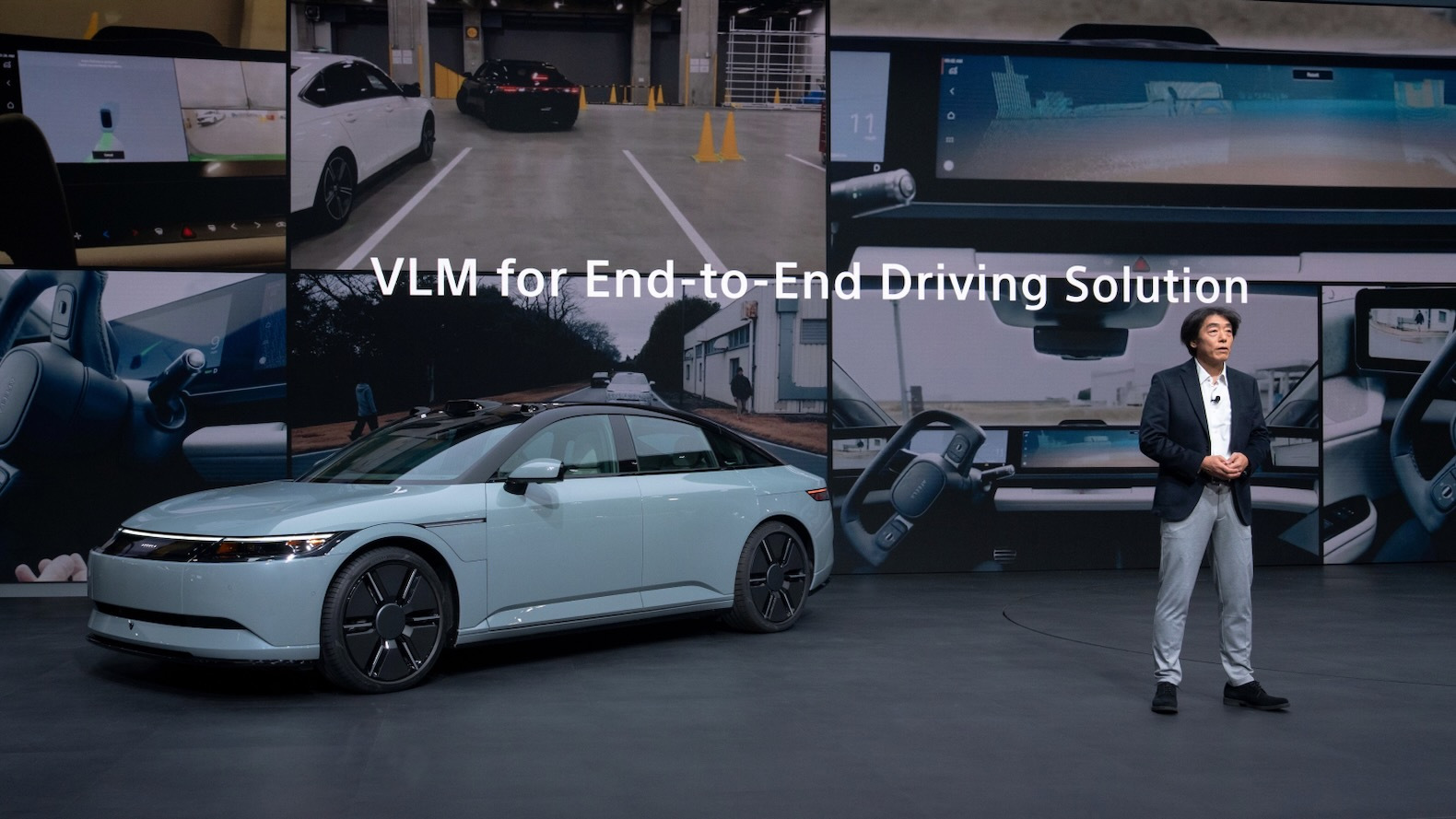
That philosophy carries into the brand’s next-generation driver-assist technology. Afeela’s Intelligent Drive system, built on an end-to-end AI model using Vision-Language processing, launches with Level 2+ capability but is engineered to eventually support Level 4–equivalent autonomy. The long-term goal is a “drive-less” cabin where passengers can stream entertainment, work or relax while the vehicle handles the rest.
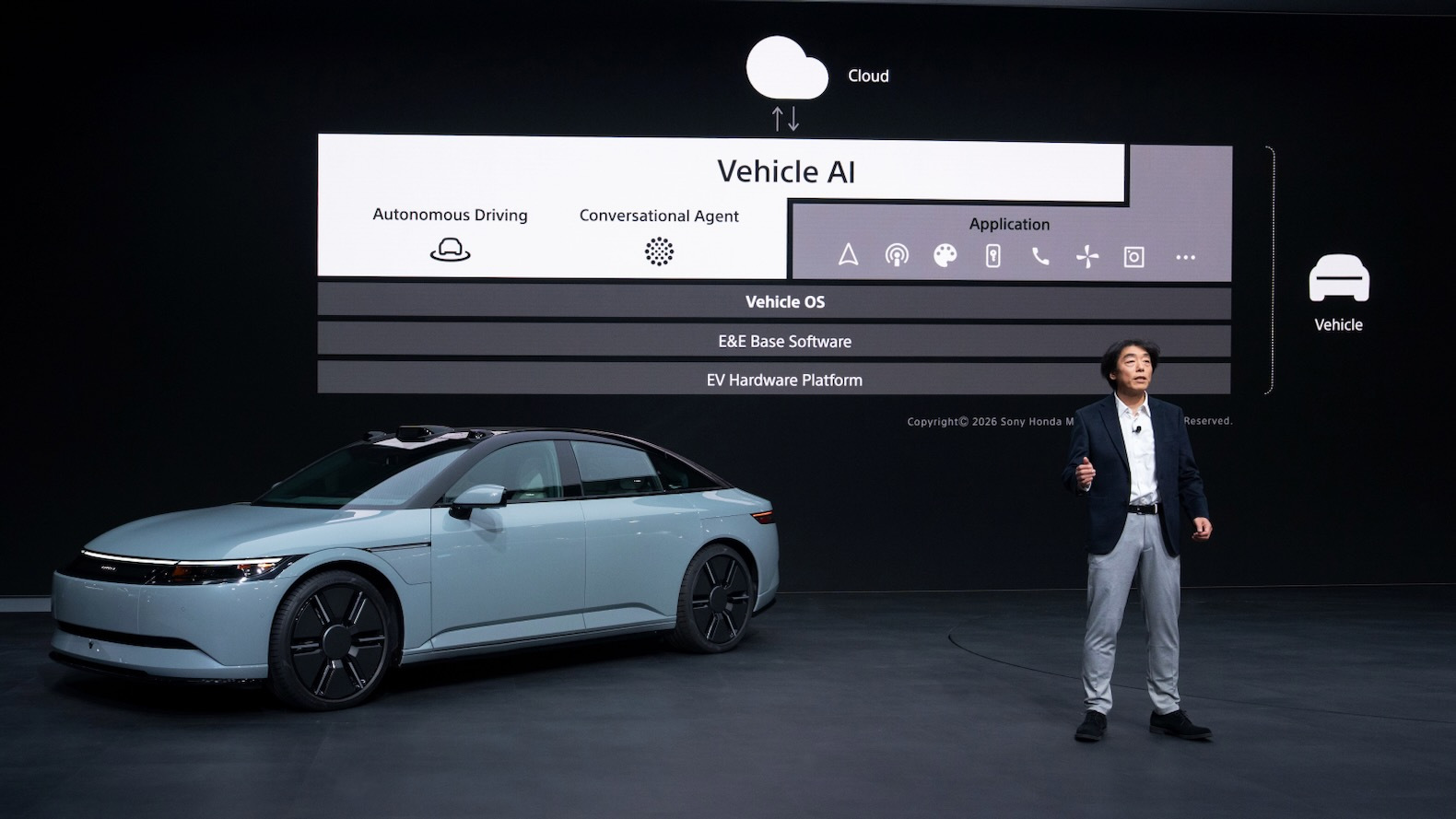
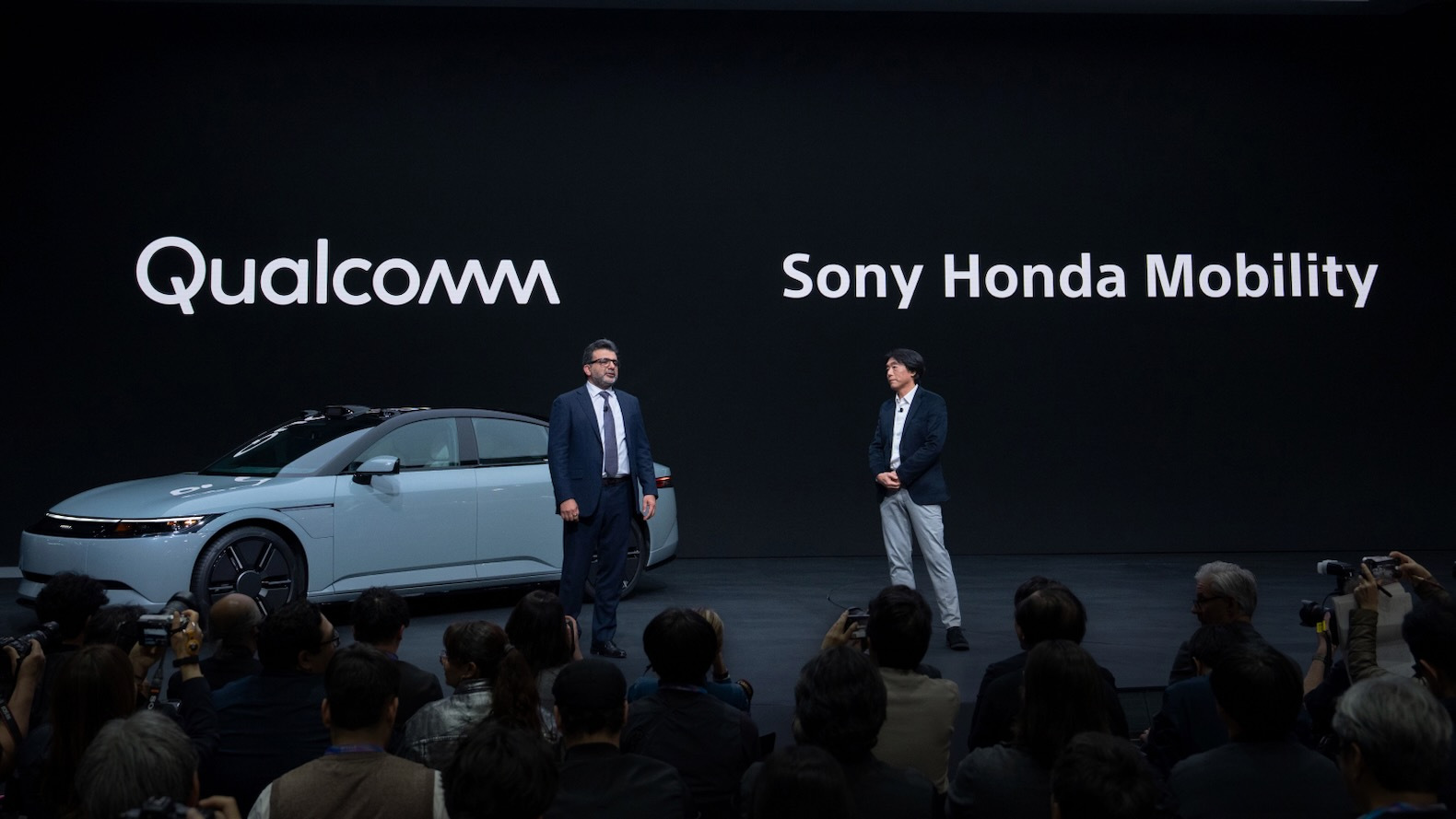
Inside, Afeela continues to blur the line between automotive and consumer tech with its Personal Agent, a conversational AI powered by Microsoft Azure OpenAI. Rather than tapping through menus, occupants interact with the car naturally, receiving personalized responses that evolve with long-term use. Combined with Qualcomm’s Snapdragon Digital Chassis, which powers the vehicle’s infotainment, connectivity and onboard intelligence, Afeela is positioning itself as a software-first EV platform designed to improve over time through updates and new applications.

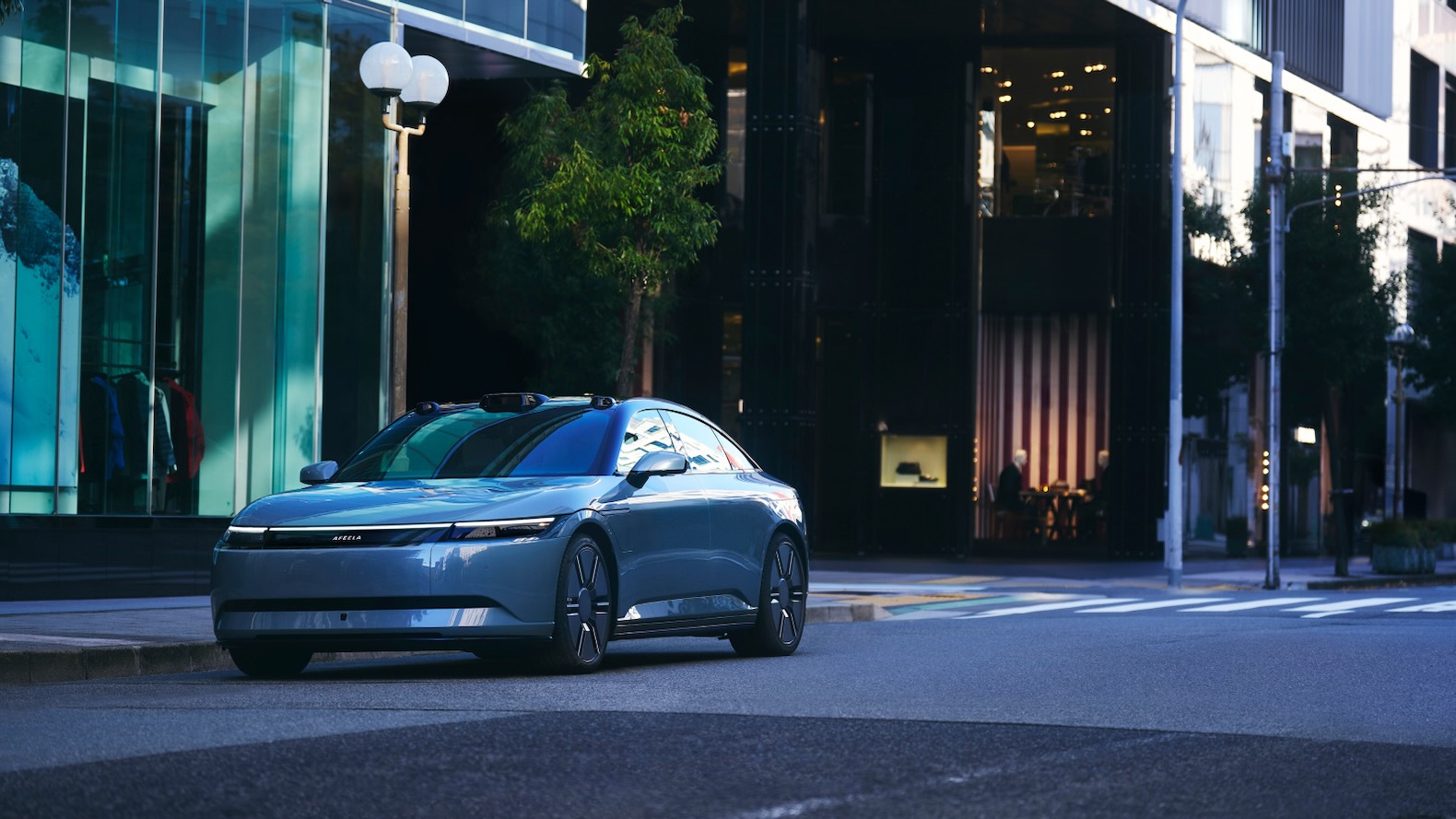


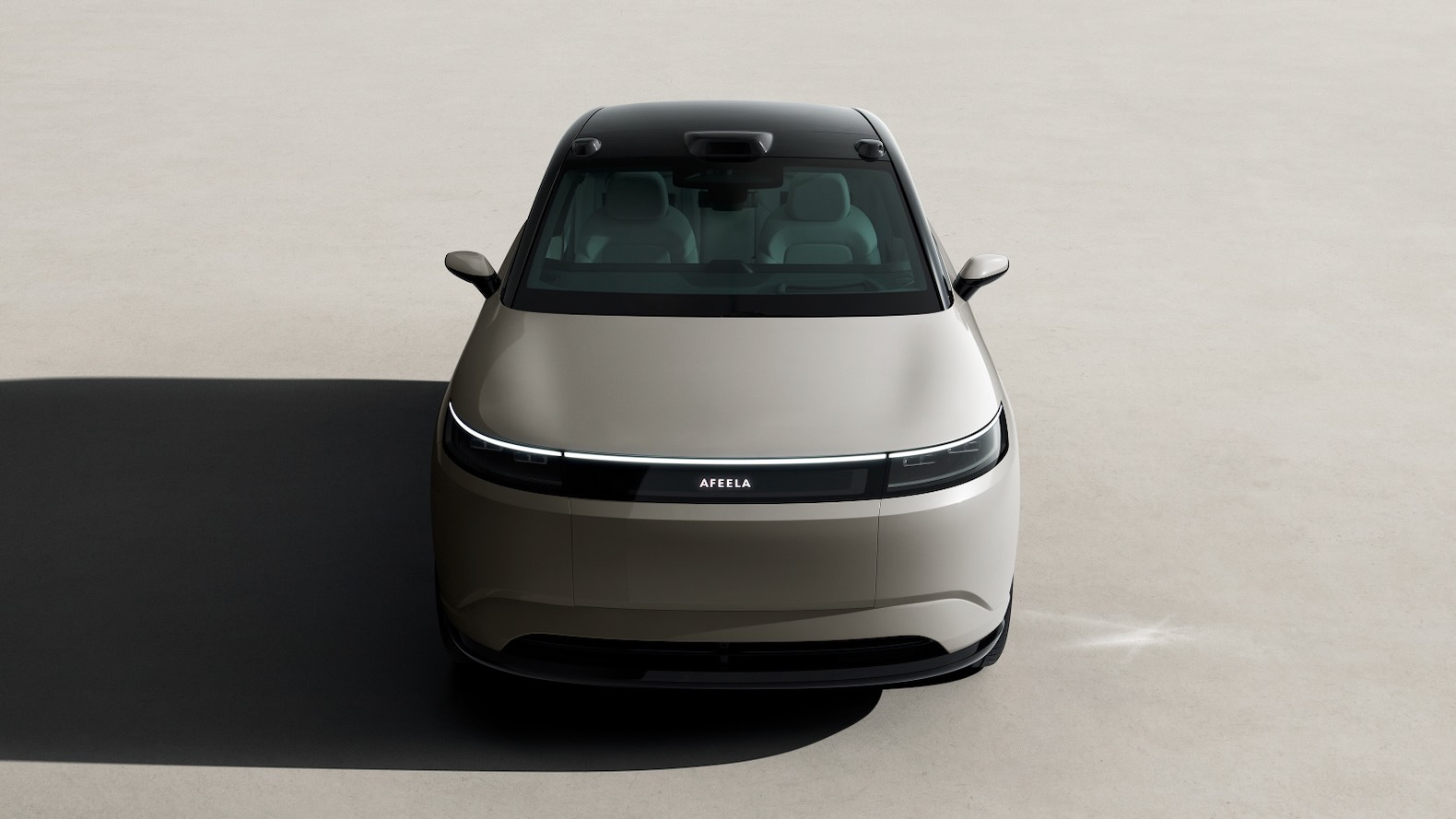
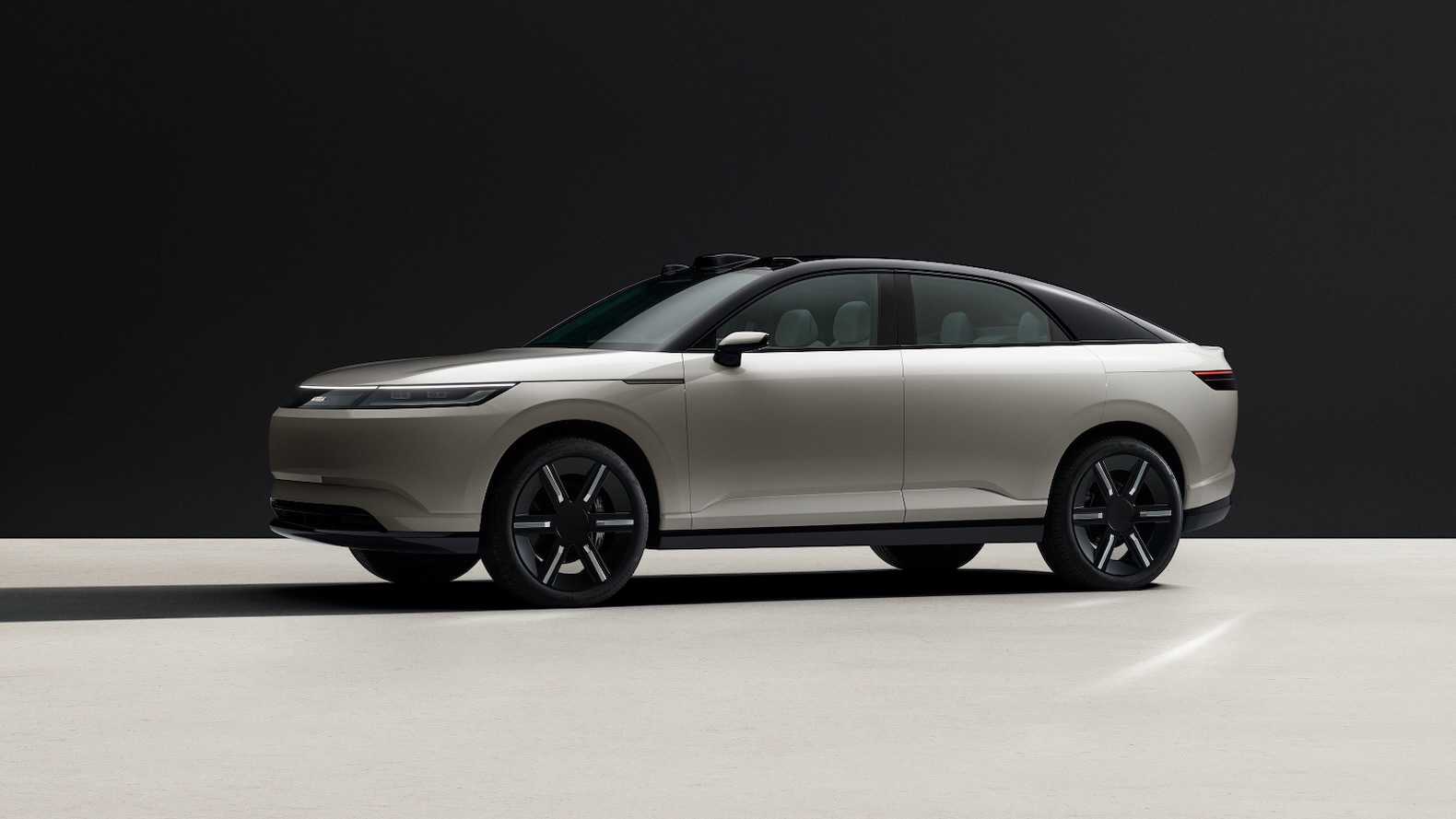
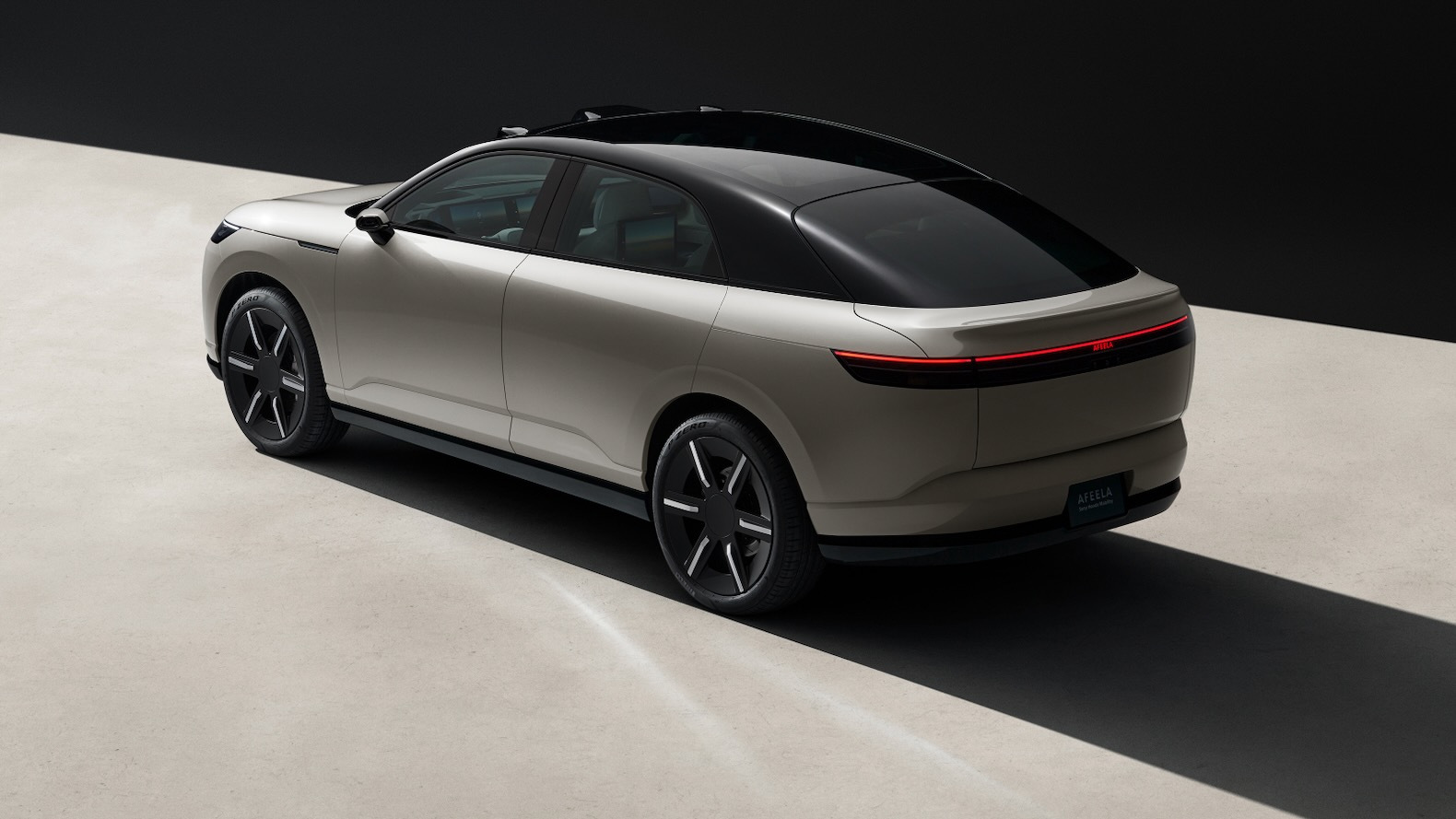
Sony Honda Mobility is also expanding the ecosystem behind its vehicles. Through the Afeela Co-Creation Program, the company is opening access for developers to build new in-car apps, entertainment themes and mobility-focused software—creating a vehicle experience that can grow the same way a smartphone does. SHM is even exploring a token-based, on-chain mobility platform based on an “X-to-Earn” model, rewarding users and developers for contributing ideas, apps and feedback. It’s more ambitious than what traditional automakers typically attempt, but it underscores Afeela’s plan to operate with tech-industry speed and openness.
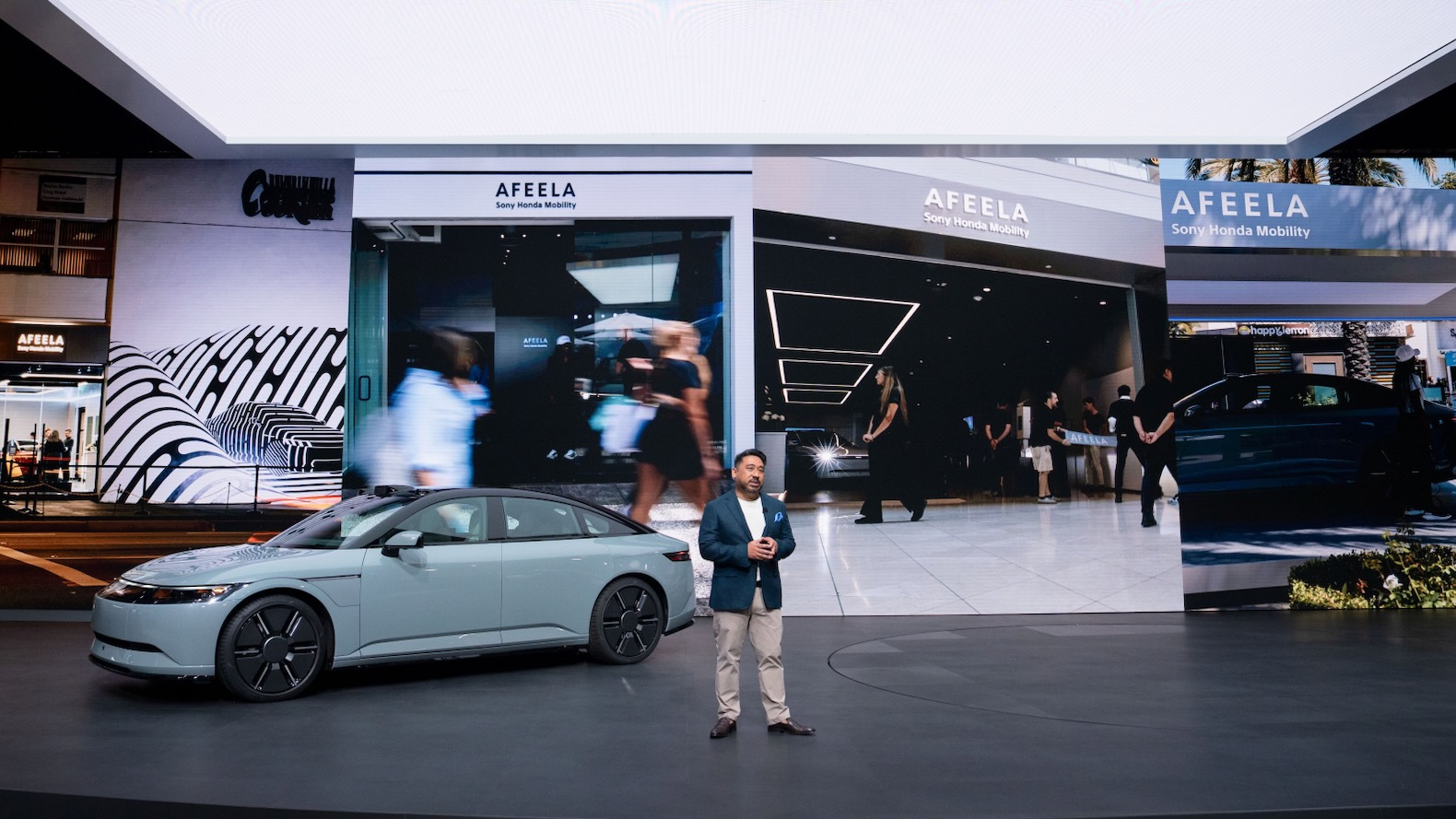
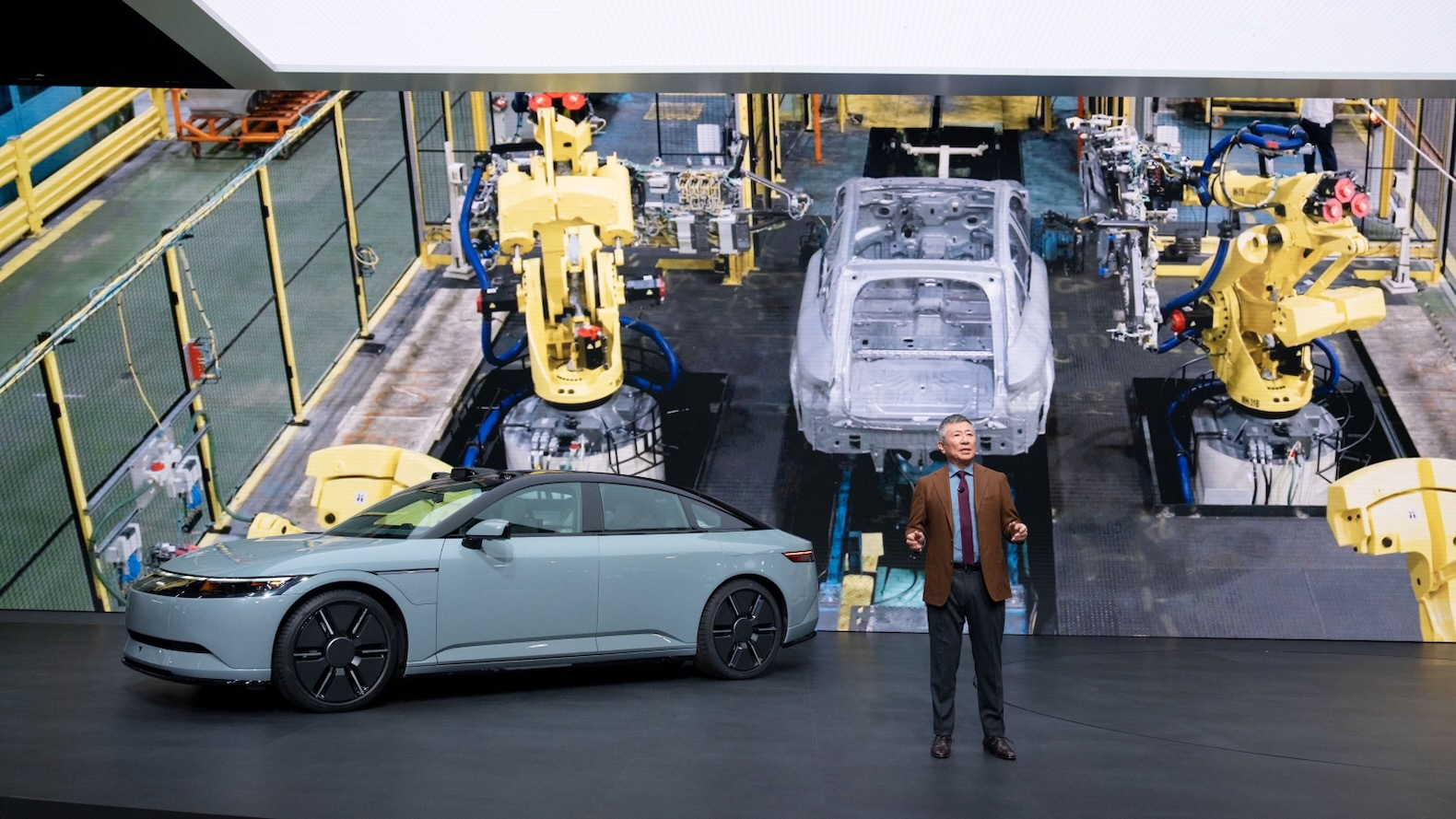
The result is an EV brand aiming far beyond conventional benchmarks like range or horsepower. With the Afeela 1 approaching production and a larger SUV now on the horizon, Sony Honda Mobility is crafting one of the most ambitious visions in the EV space—one that fuses AI, entertainment and autonomy into a unified mobility experience. If SHM can deliver on even part of this roadmap, Afeela could quickly become one of the most disruptive new players in the U.S. market by the end of the decade.