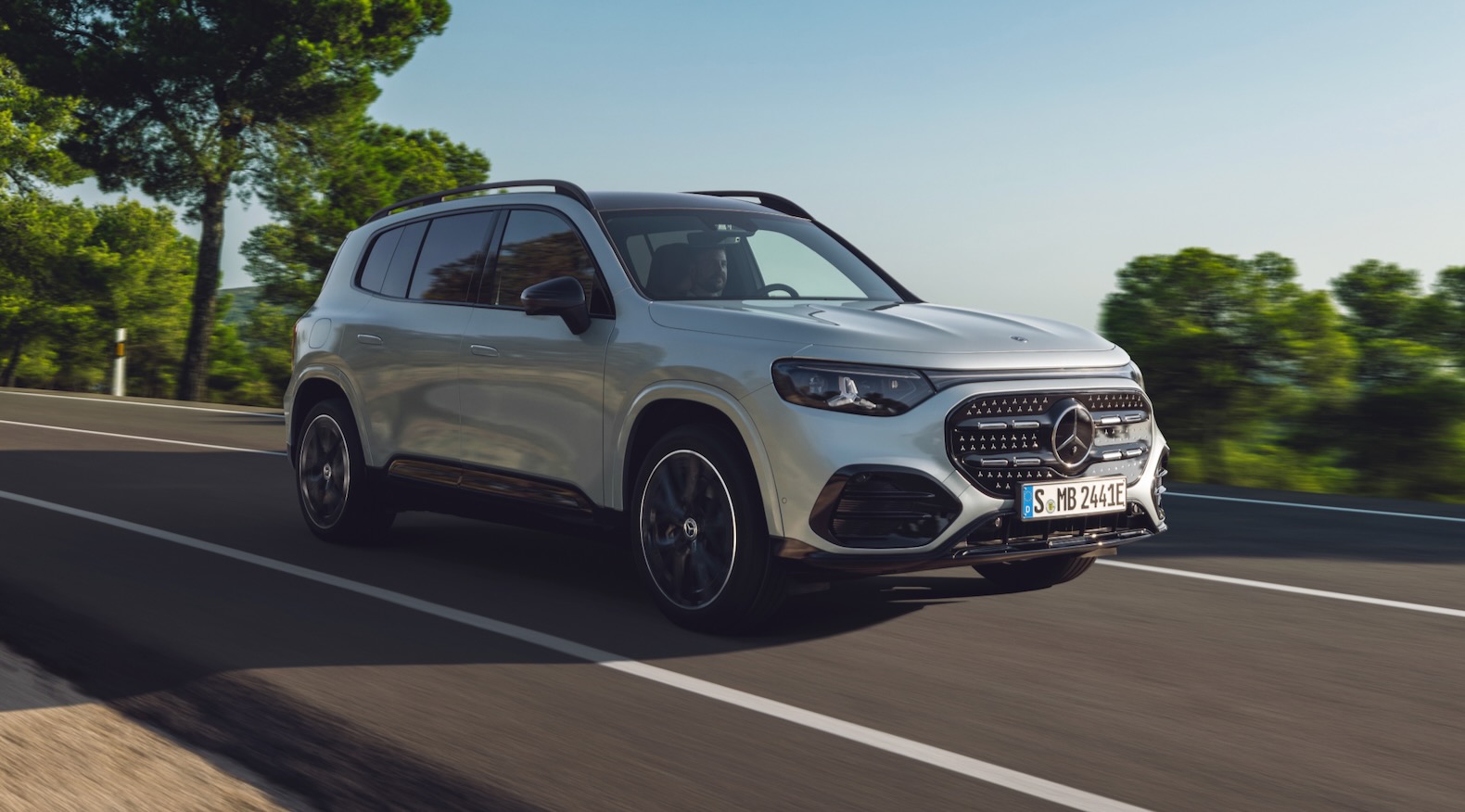
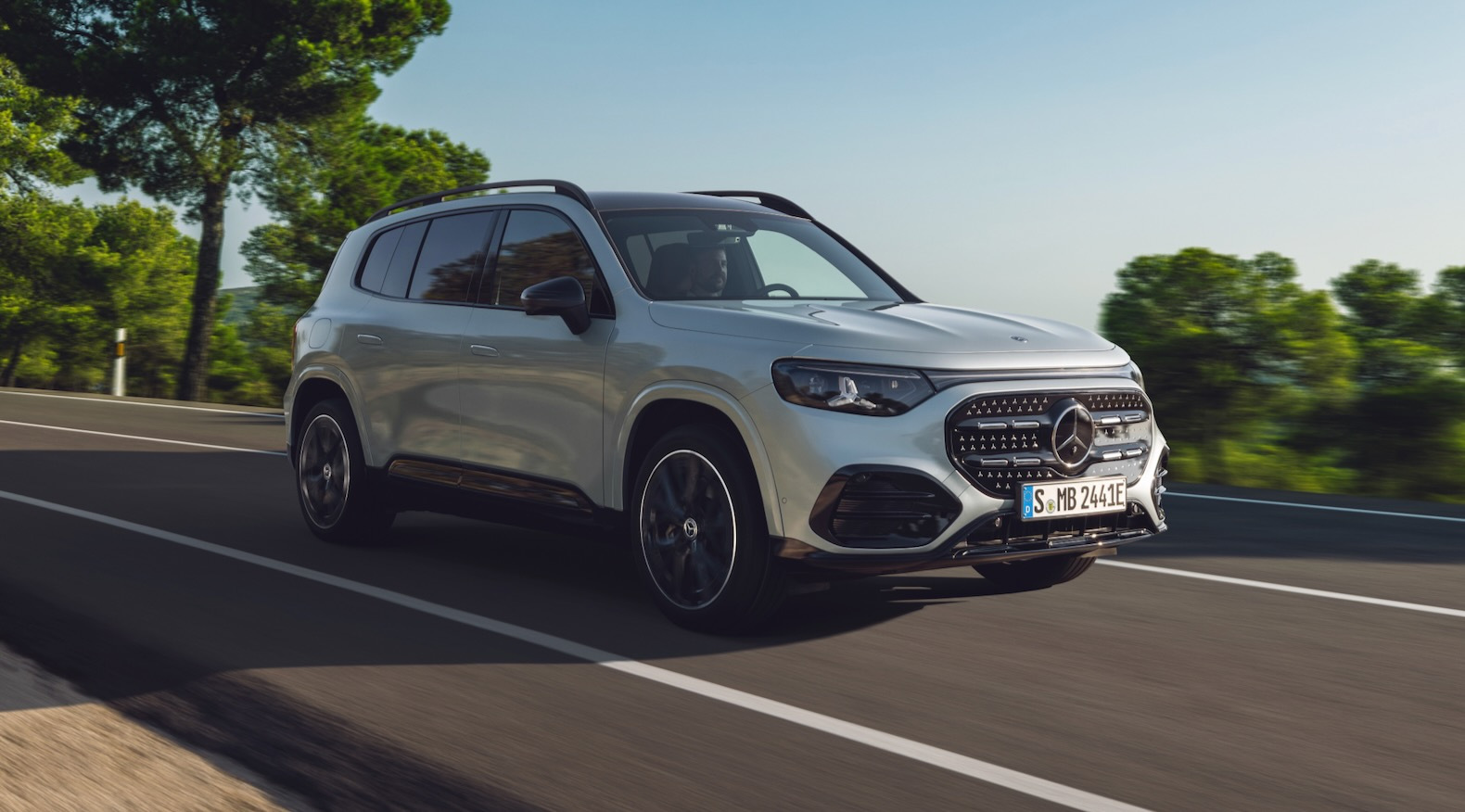
Mercedes-Benz has pulled the wraps off the 2027 GLB-Class, and this time the compact SUV leans heavily into electrification, tech and space.
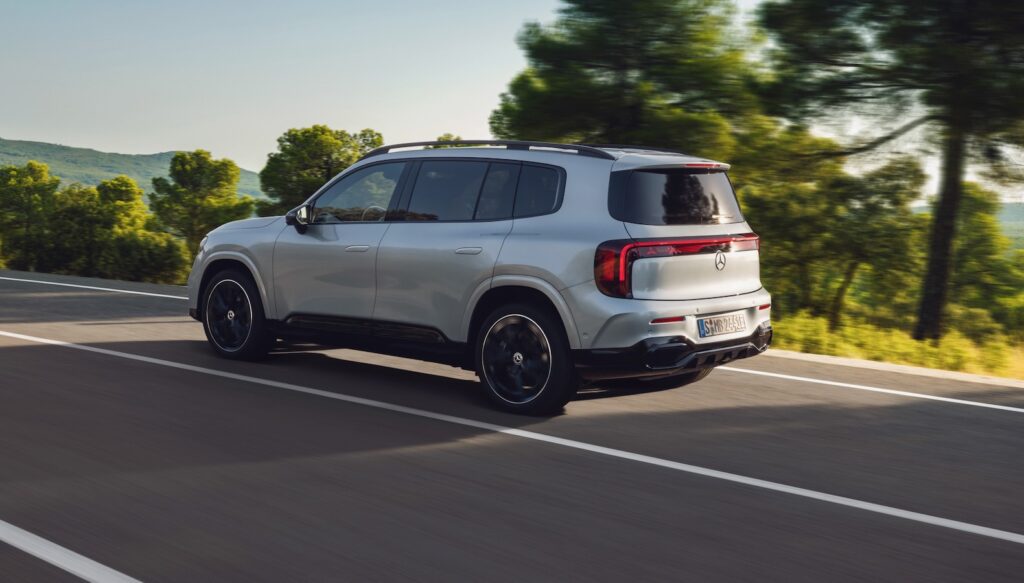
The big news is the all-electric lineup. At launch, the GLB 250+ with EQ Technology offers 268 horsepower and 247 pound-feet of torque, while the GLB 350 4MATIC bumps that to 349 hp and 380 lb-ft. with dual-motor all-wheel drive.
The GLB 250+ has a driving range up to 392 miles on Europe’ WLTP cycle.Both use an 85-kWh battery and an 800-volt architecture that, on paper, allows up to 161 miles of range to be added in about 10 minutes on a fast charger. There’s also a 48-volt hybrid GLB on the way for buyers not ready to go fully electric.
The electric GLB gets an all-new rear-drive unit with up to 93 percent battery-to-wheel efficiency, a two-speed transmission on the rear axle and a brake-by-wire system that can recuperate up to 200 kW and even bring the GLB to a full stop.
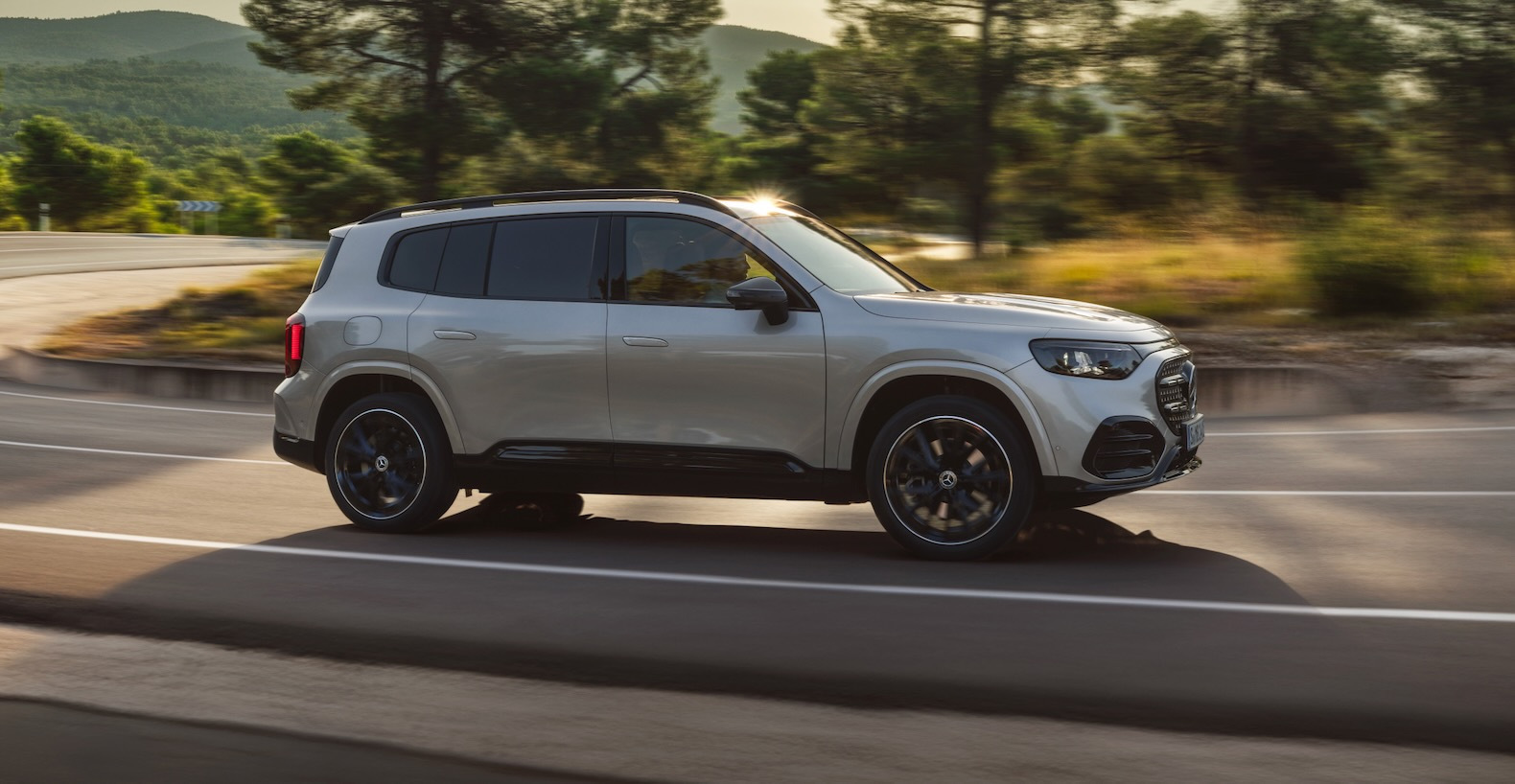
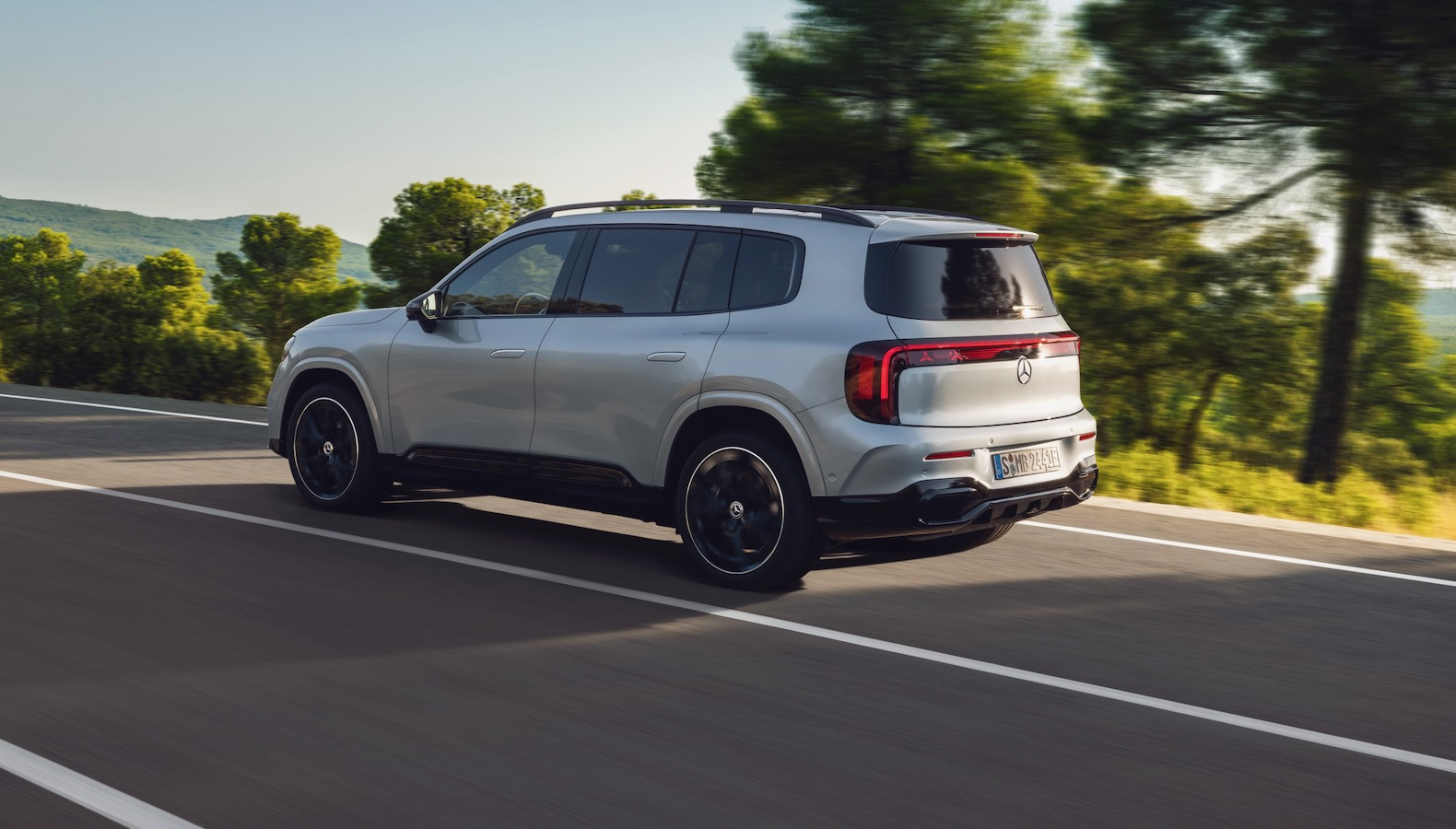
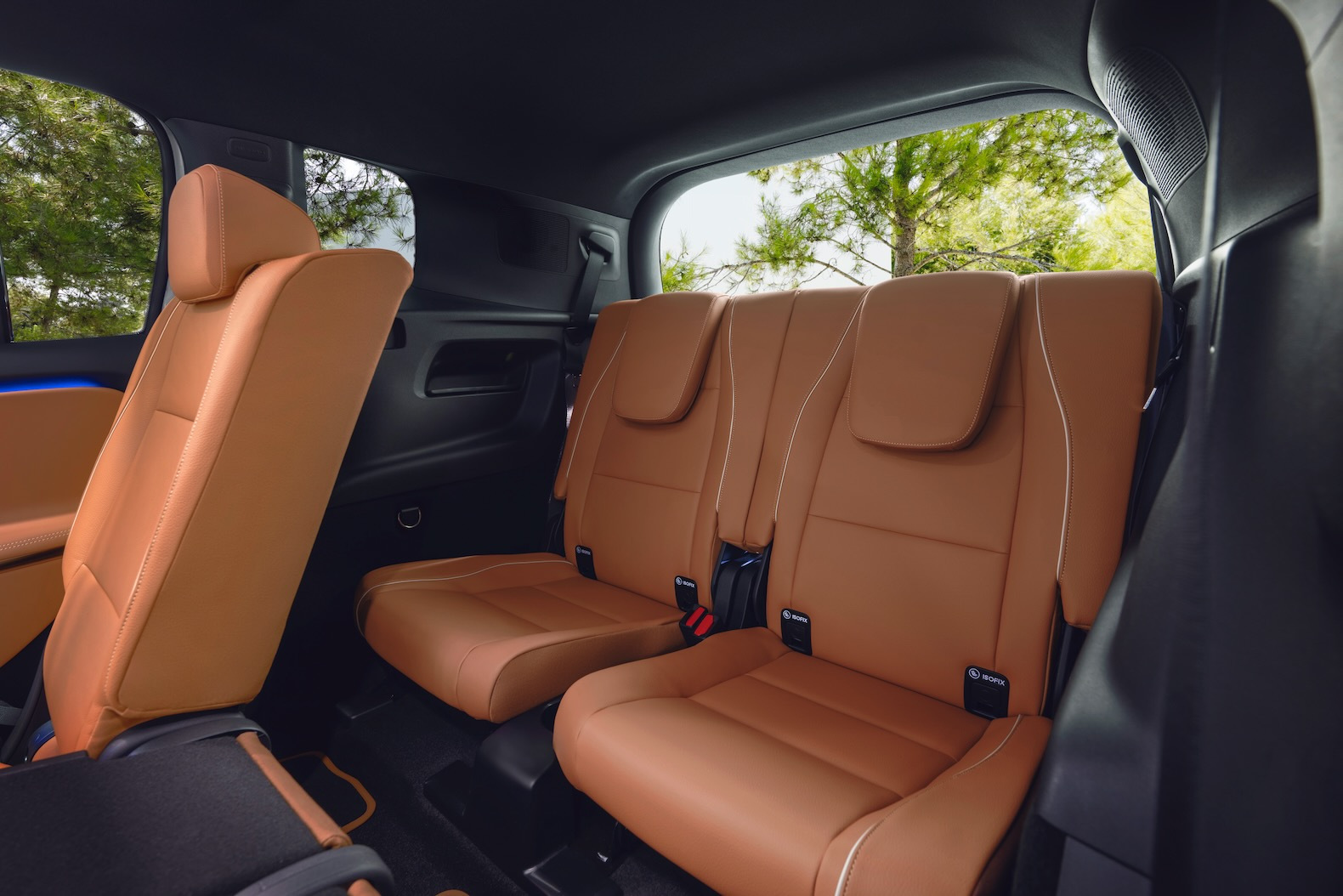
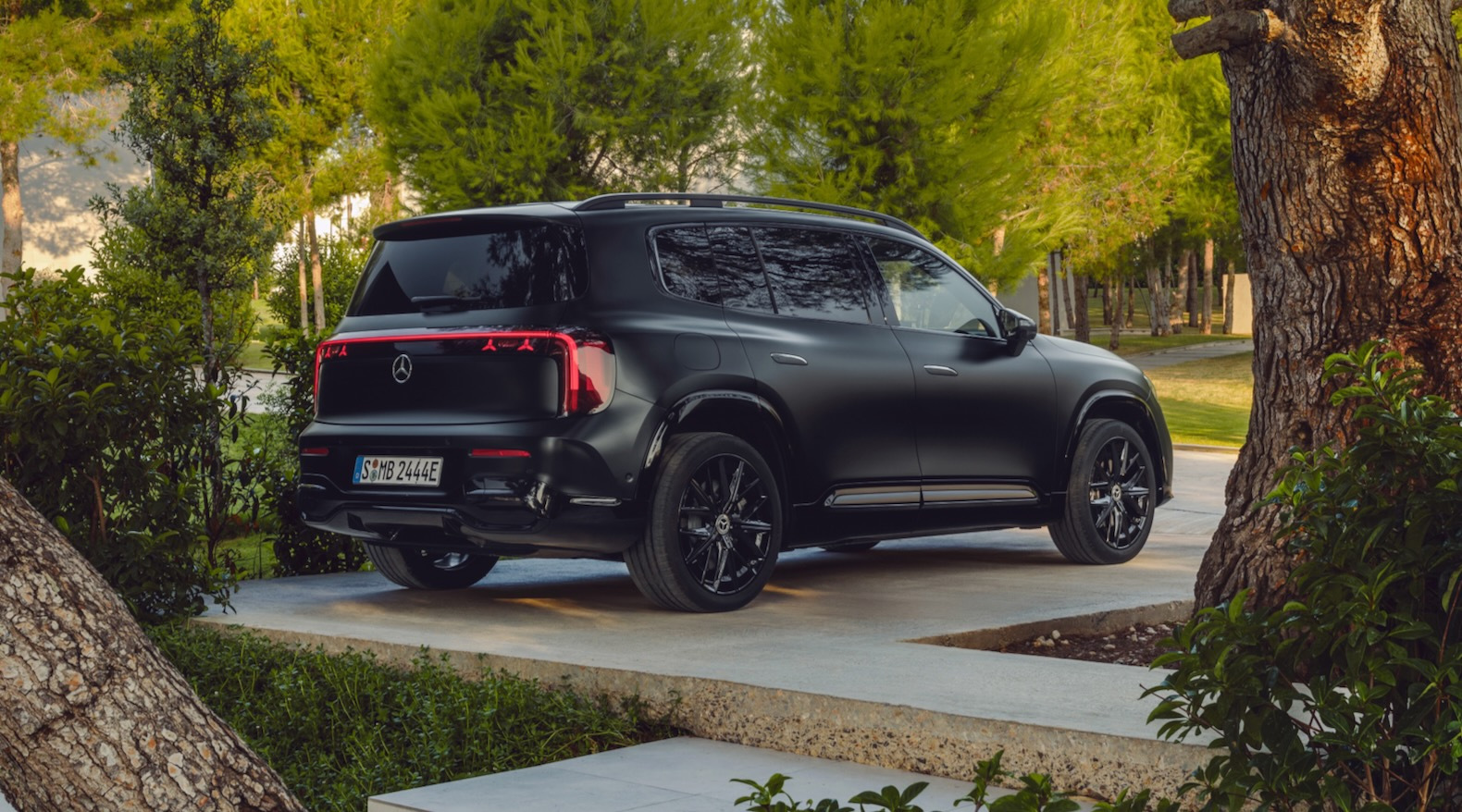
Practicality was one of the previous GLB’s strongest selling points, and Mercedes didn’t mess with that formula. The new model still offers seating for five as standard and an optional third row, now rated for passengers up to about 5’6″. A longer 114.1-inch wheelbase brings noticeably more rear legroom, while the redesigned roofline improves headroom and overall. Cargo space remains generous for the class, with up to 19.1 cubic feet behind the second row and more than 60 cubic feet with the rear seats folded, plus a frunk for extra storage.
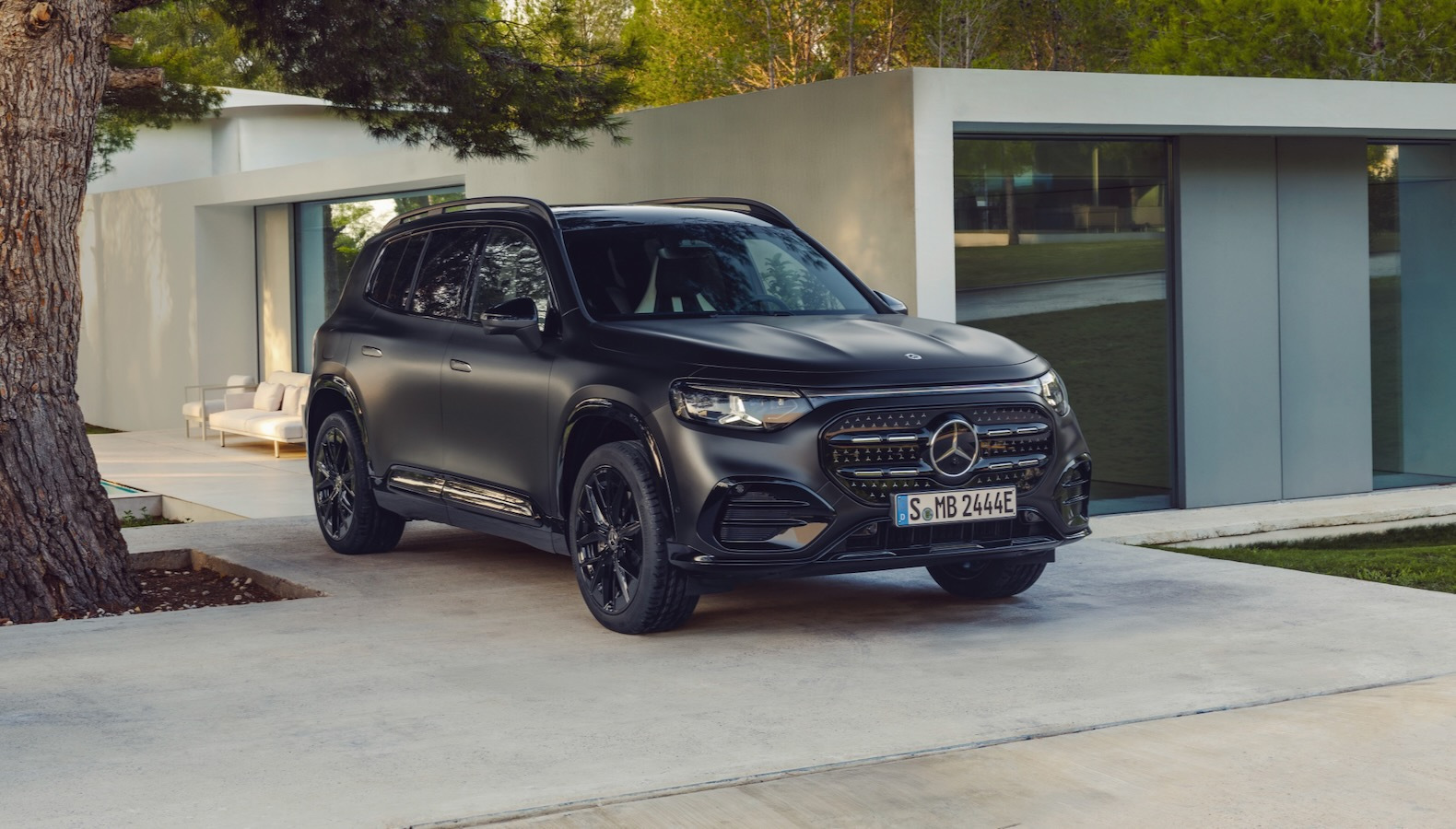
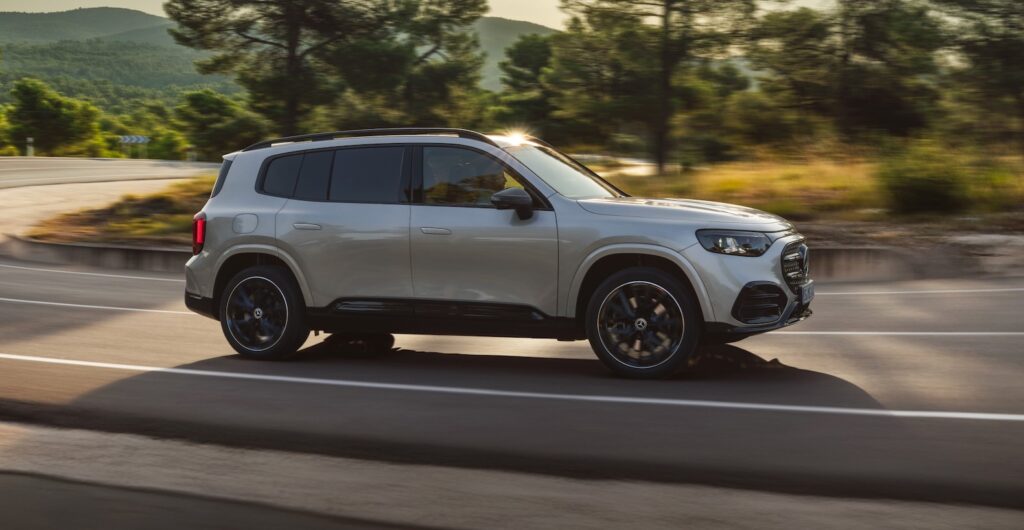
Visually, the new GLB looks more familiar, but more refined. The boxy-ish proportions remain, but the front end now wears an illuminated grille filled with 94 chrome-effect stars and a fully lit central Mercedes star. The standard panoramic roof and optional Sky Control roof, which can switch between clear and opaque glass in milliseconds and even mimic a starry sky at night.
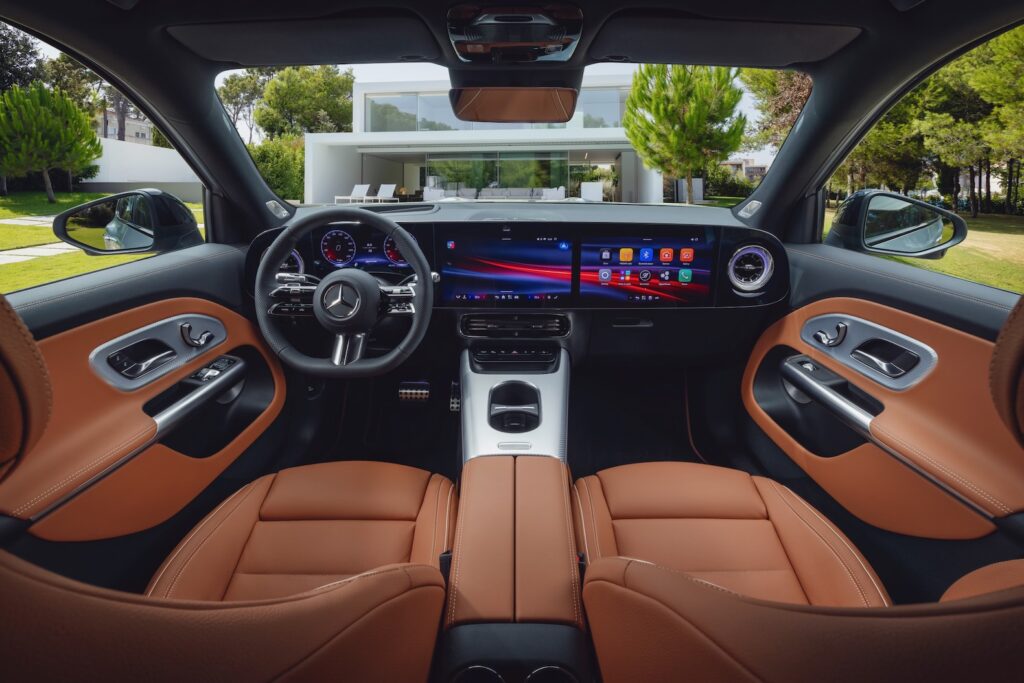
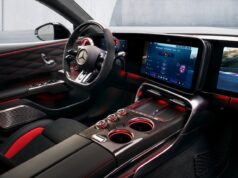
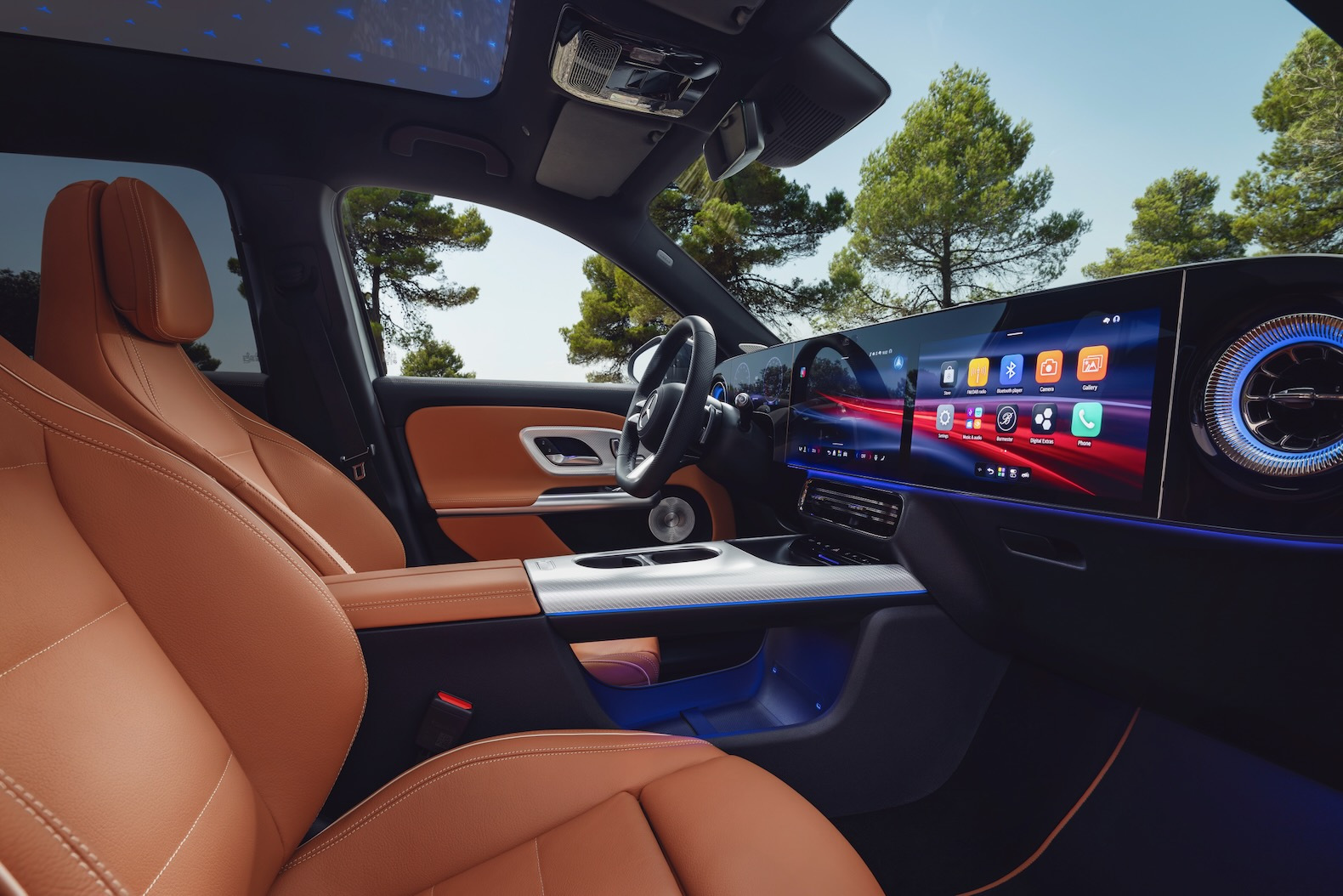
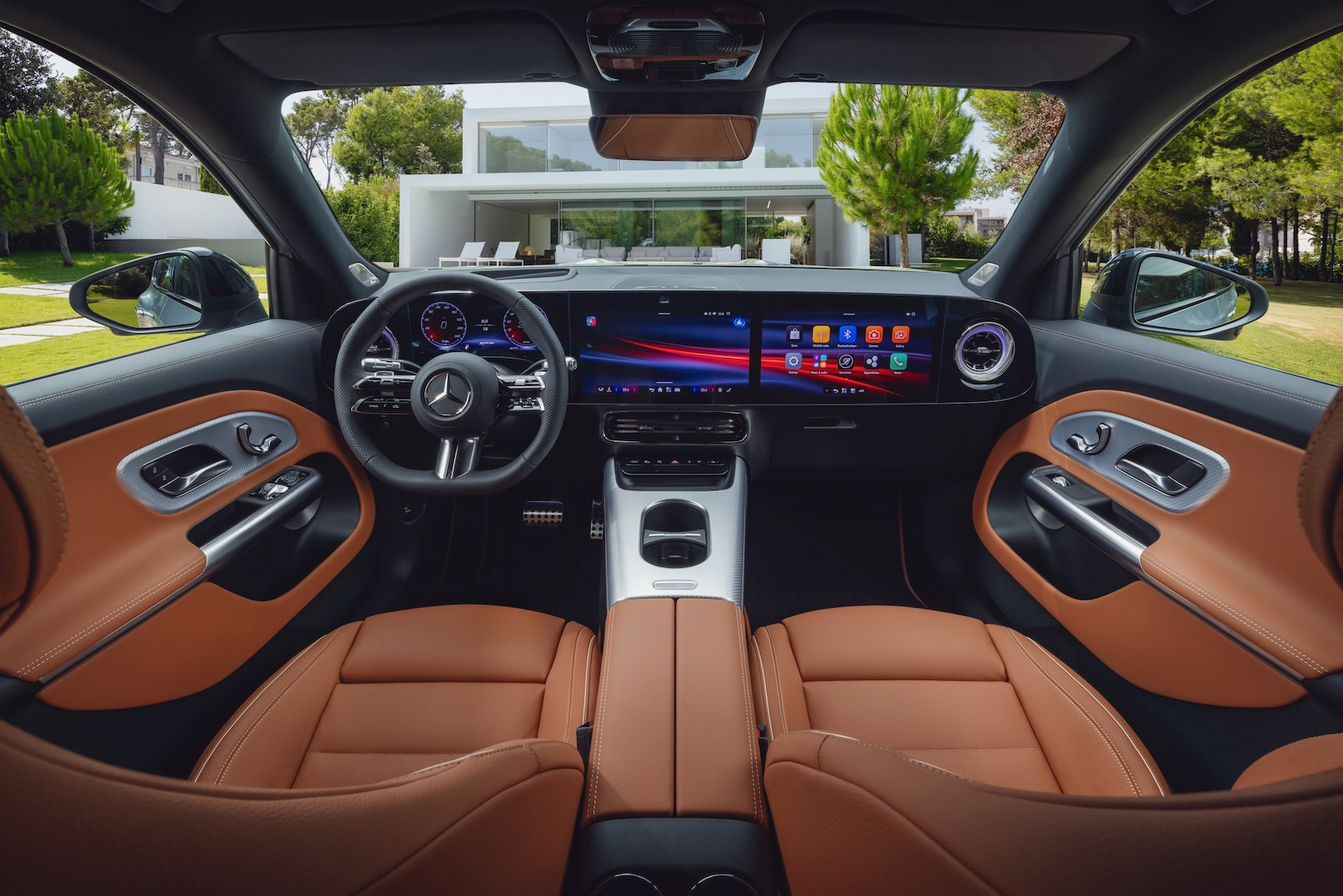
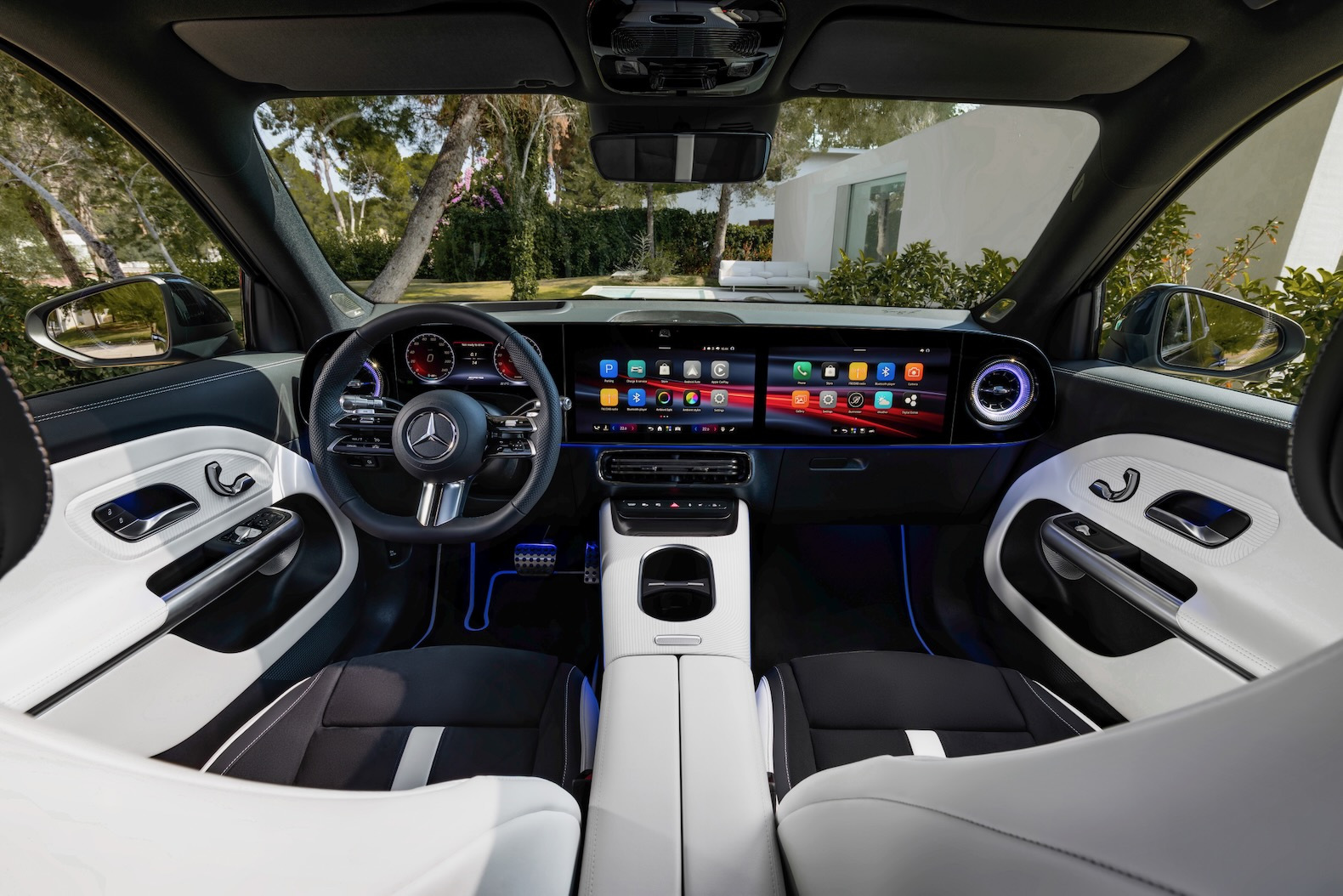
Inside, the GLB has been completely rethought. The rugged, slightly utilitarian vibe is gone, replaced by a cleaner, more architectural cabin built around the optional MBUX Superscreen. This spans almost the full width of the dashboard, combining a digital gauge cluster, central touchscreen and a dedicated front-passenger display under a single glass panel. Some physical controls have returned, since there’s now a proper rocker switch for adaptive cruise and a roller for volume.
On the software front, the GLB runs on the new MB.OS platform with fourth-generation MBUX, a cloud-connected system that supports over-the-air updates and folds in AI from Google and Microsoft. A new MBUX Virtual Assistant can hold natural, multi-step conversations, answer general knowledge and navigation questions, and appears on screen as an animated avatar that changes color and expression.
Navigation is now based on Google Maps data, and the “Zero Layer” interface tries to surface the most relevant functions without diving through menus.
The safety list extensive driver-assistance hardware, optional upgraded assistance and parking packages, a new center airbag up front, improved side-impact structures and a refined high-voltage protection strategy for the battery and power electronics.
Early takeaway? The new GLB keeps what made the original appealing—usable space, an available third row and a sensible footprint—but layers on a huge amount of design theater and digital sophistication. The electric powertrains and charging specs look strong, and the packaging remains genuinely practical. The open question is whether buyers will see the tech density and illuminated styling as a plus, or long for the simpler, more understated charm of the old GLB.