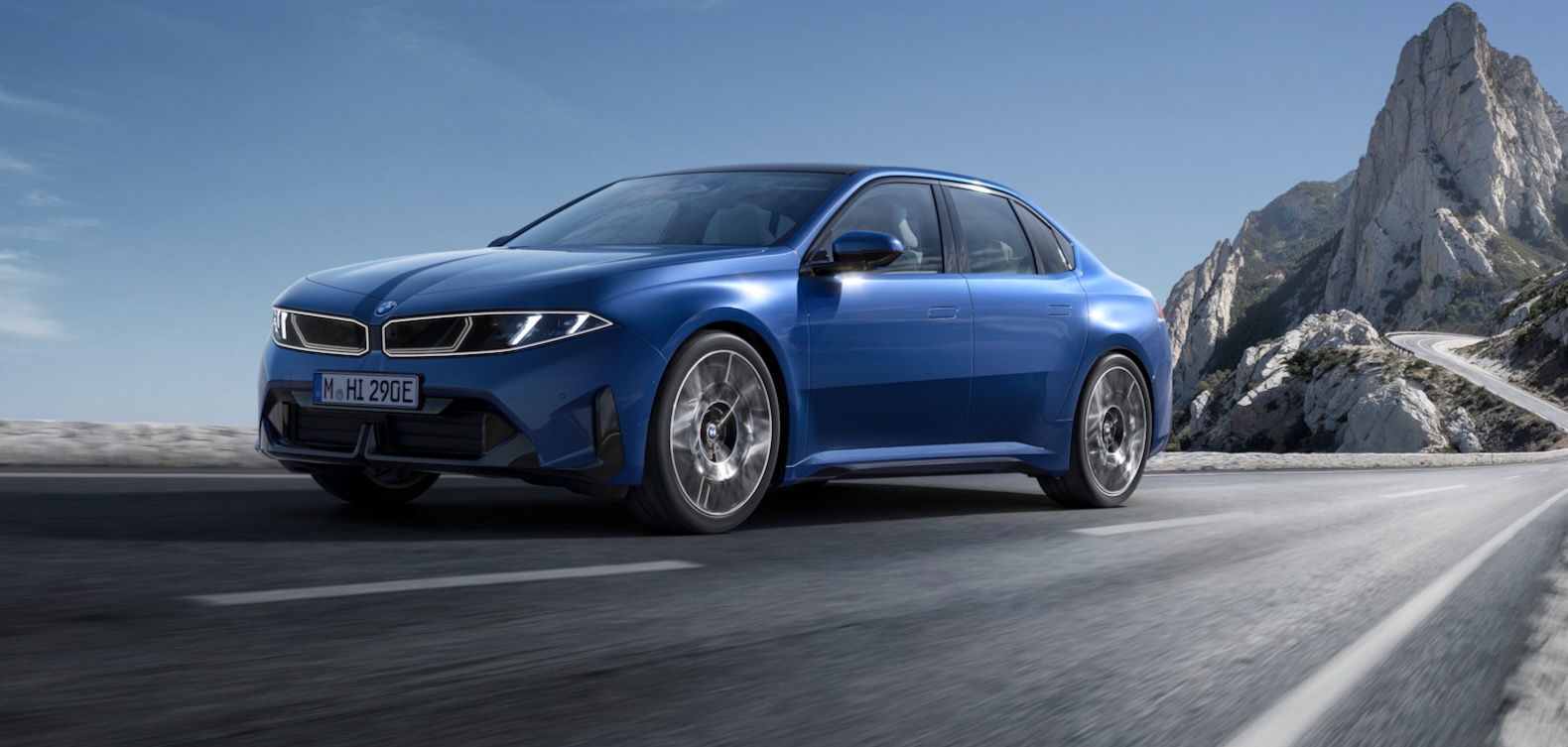
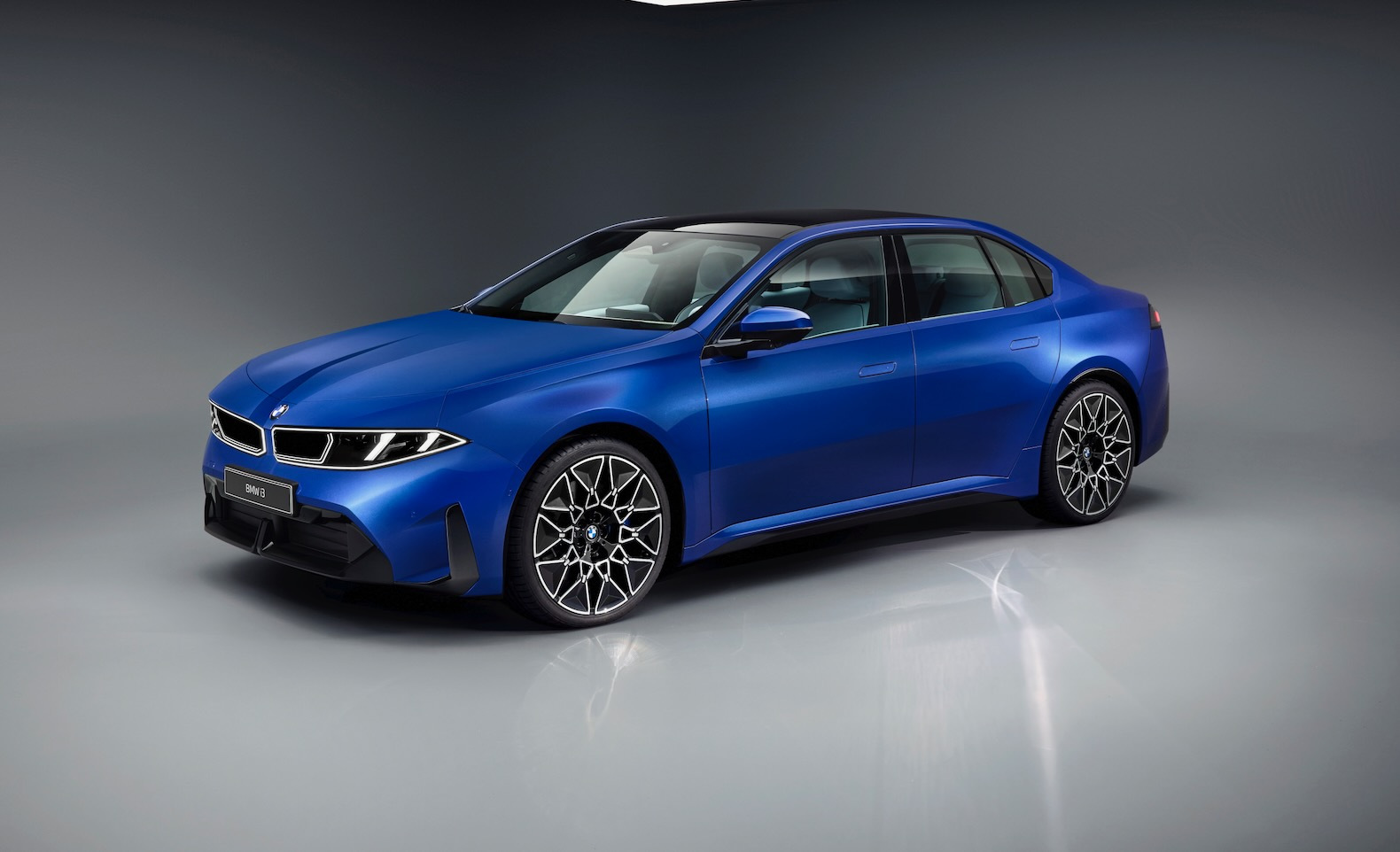
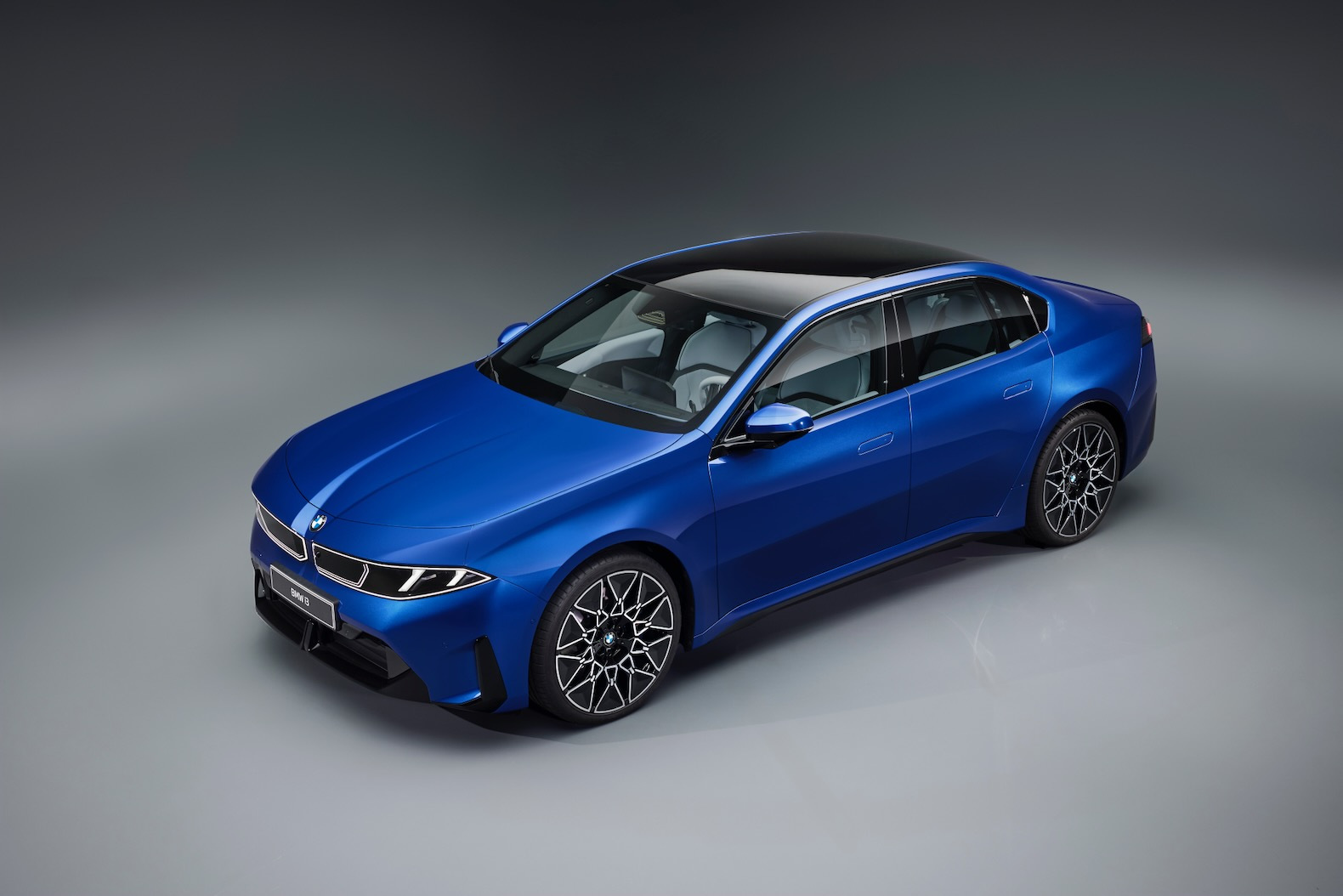
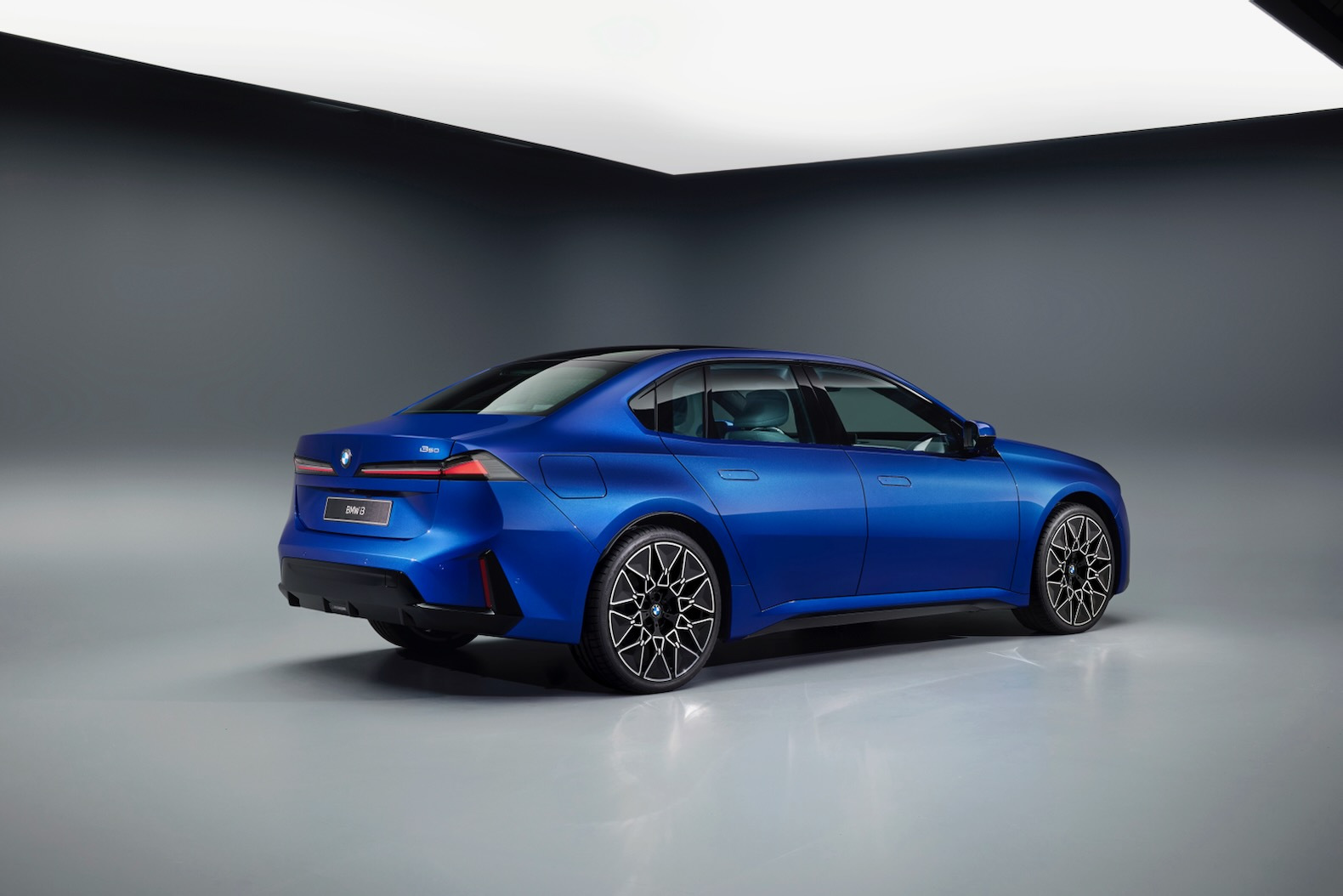
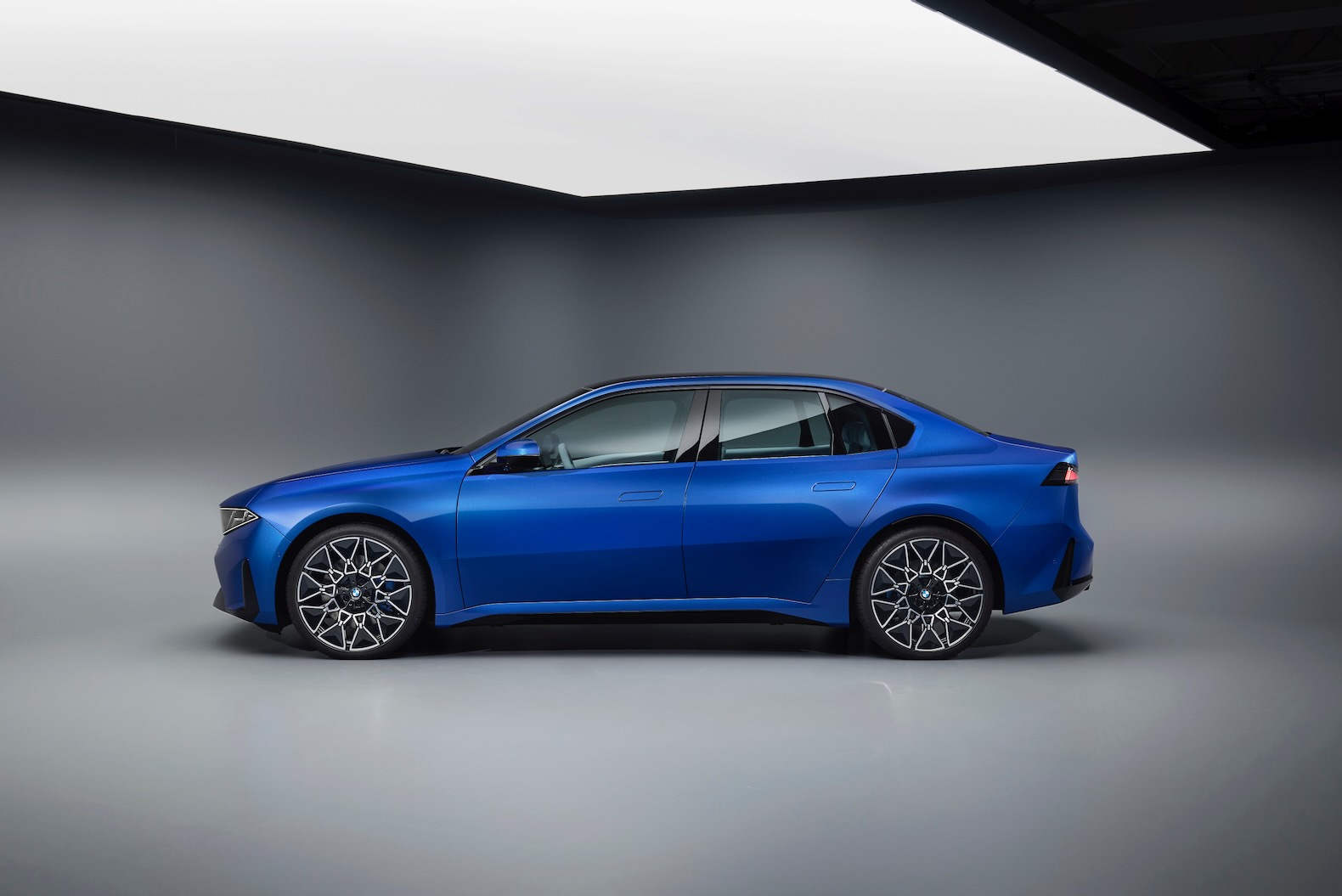
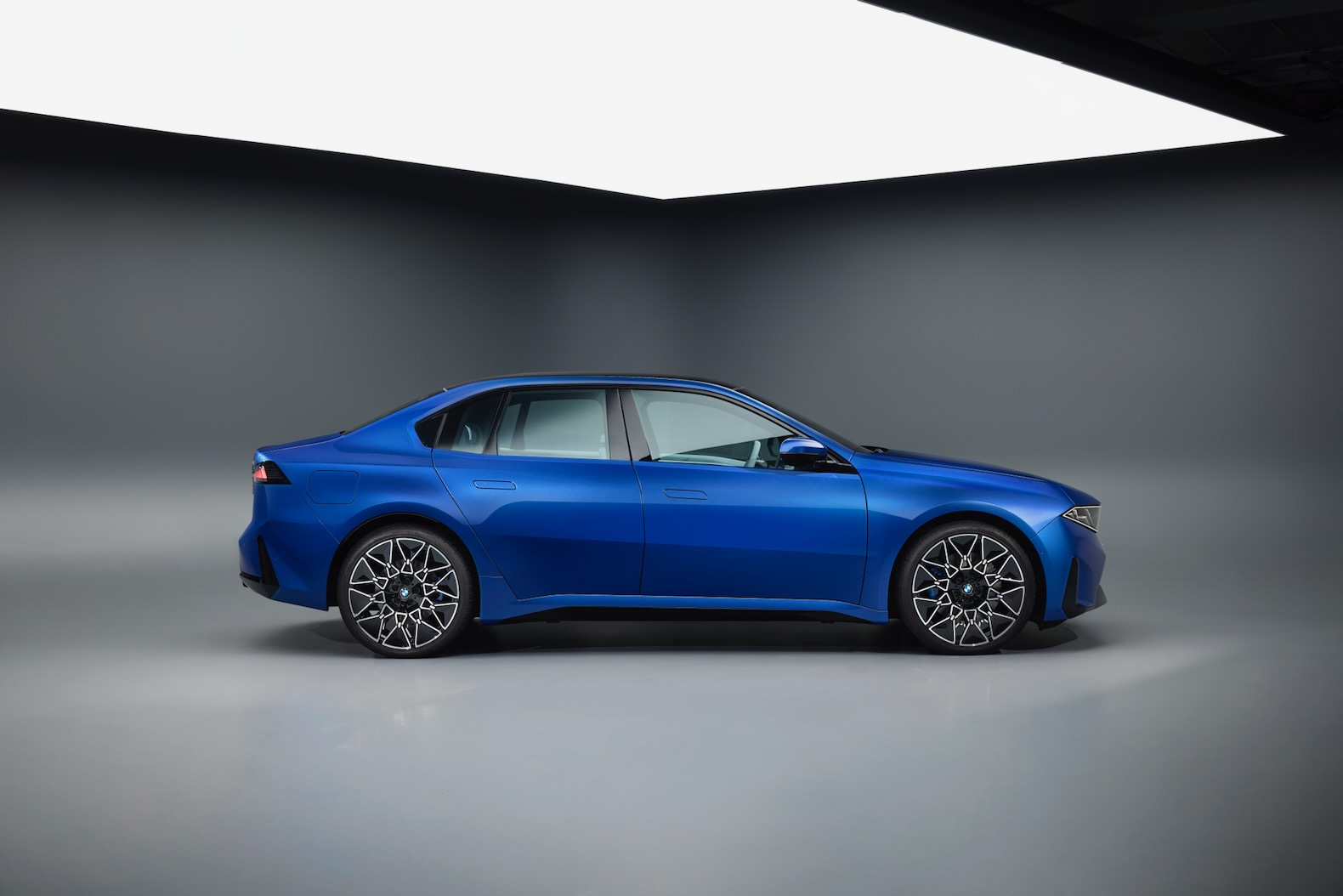
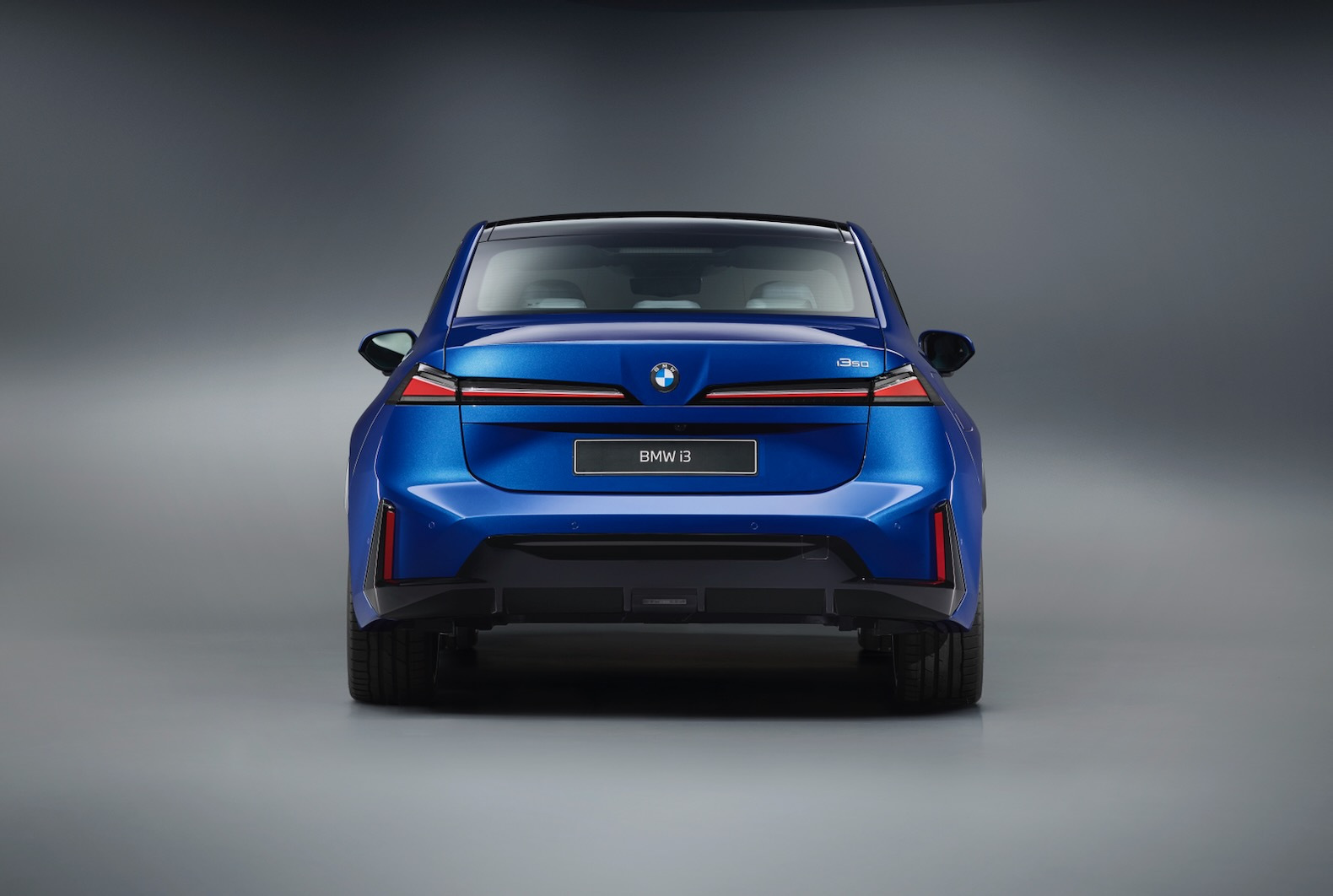
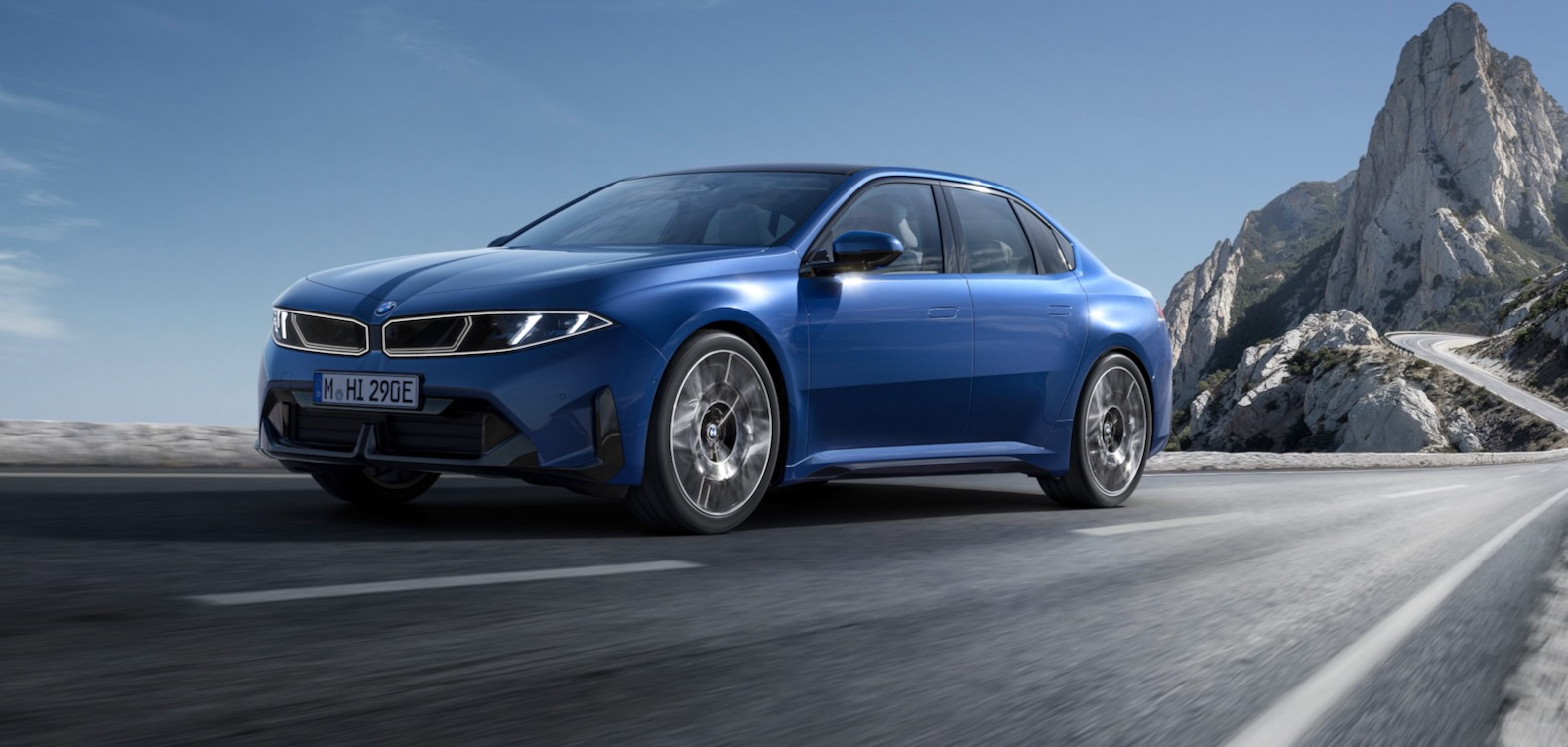
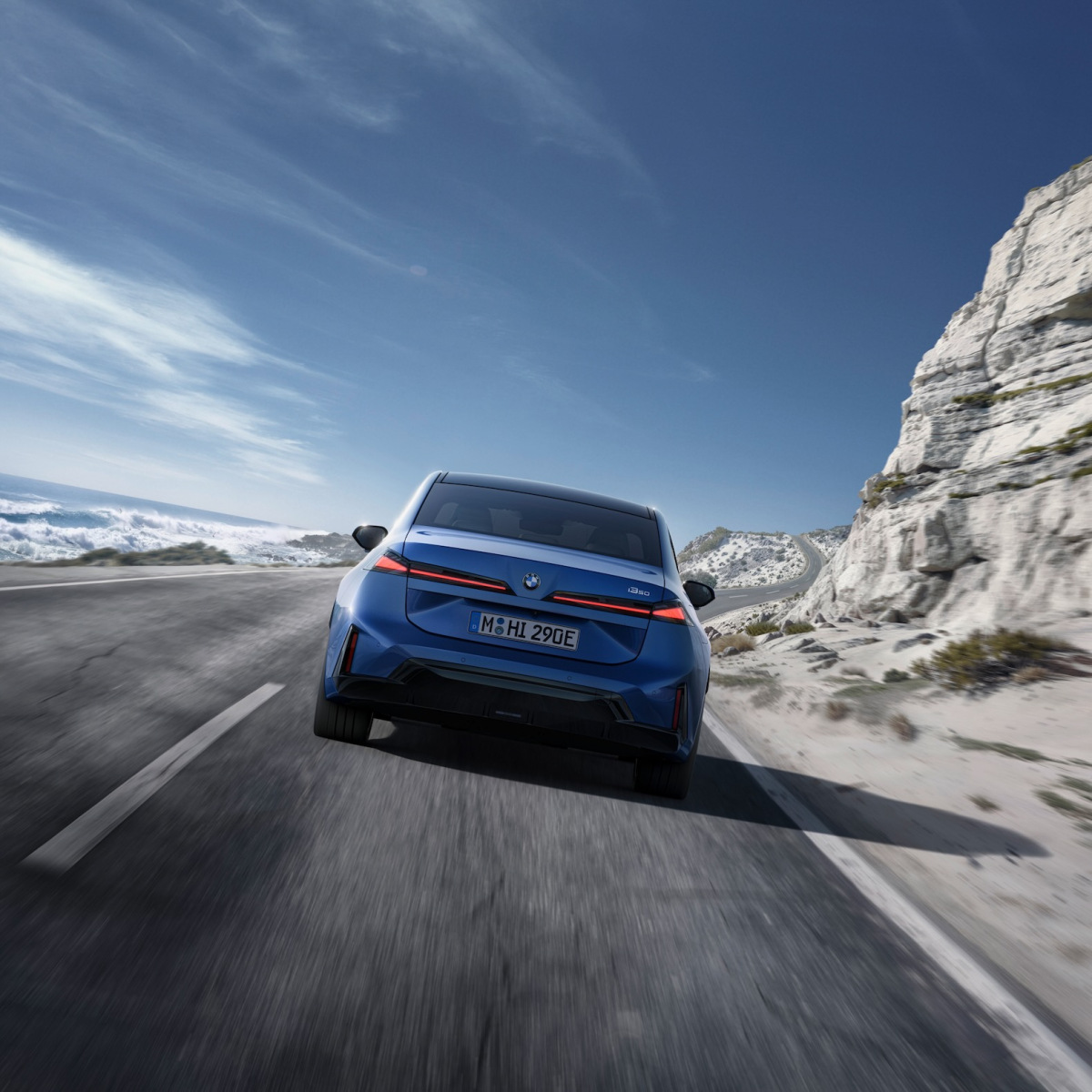
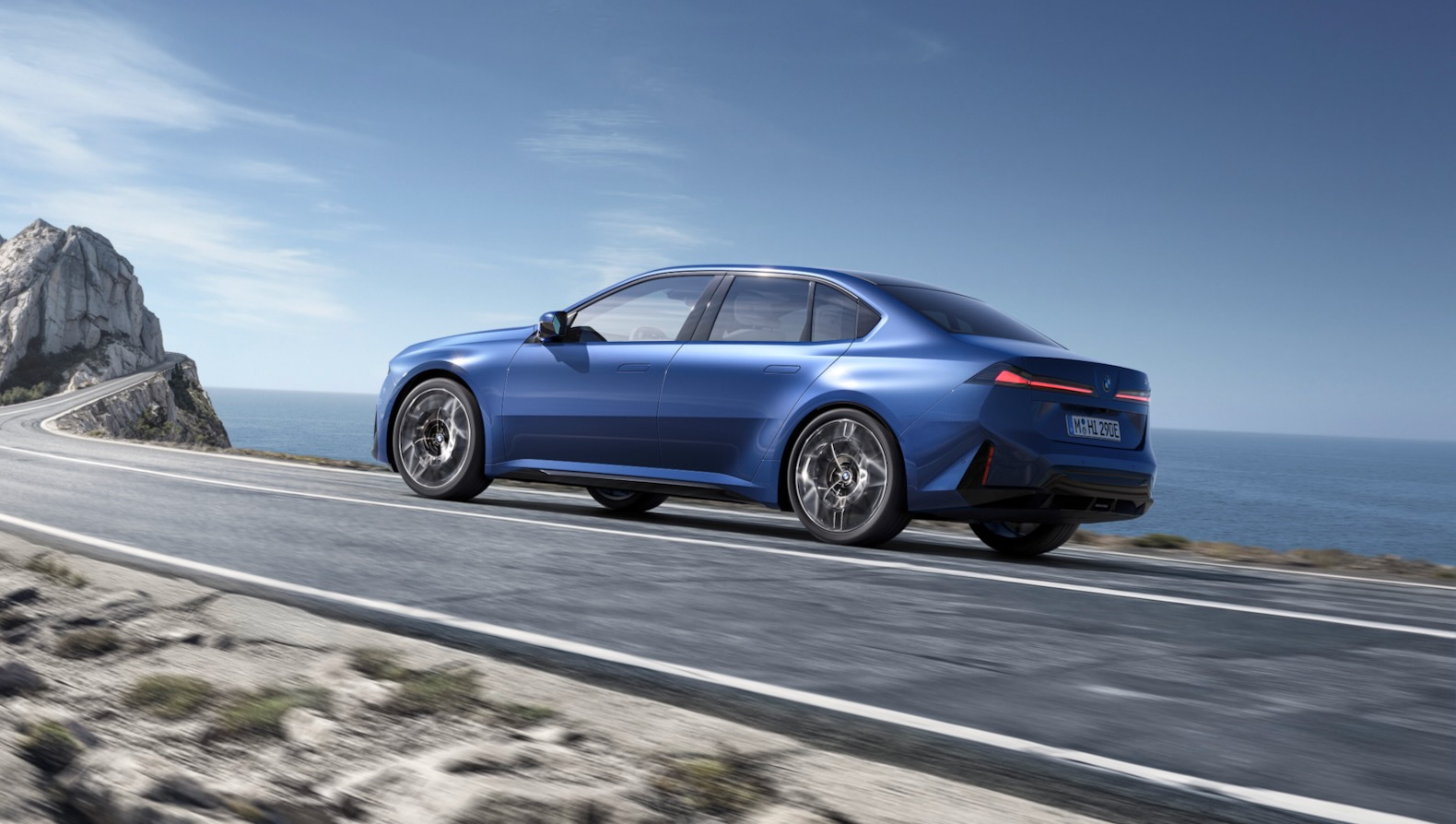
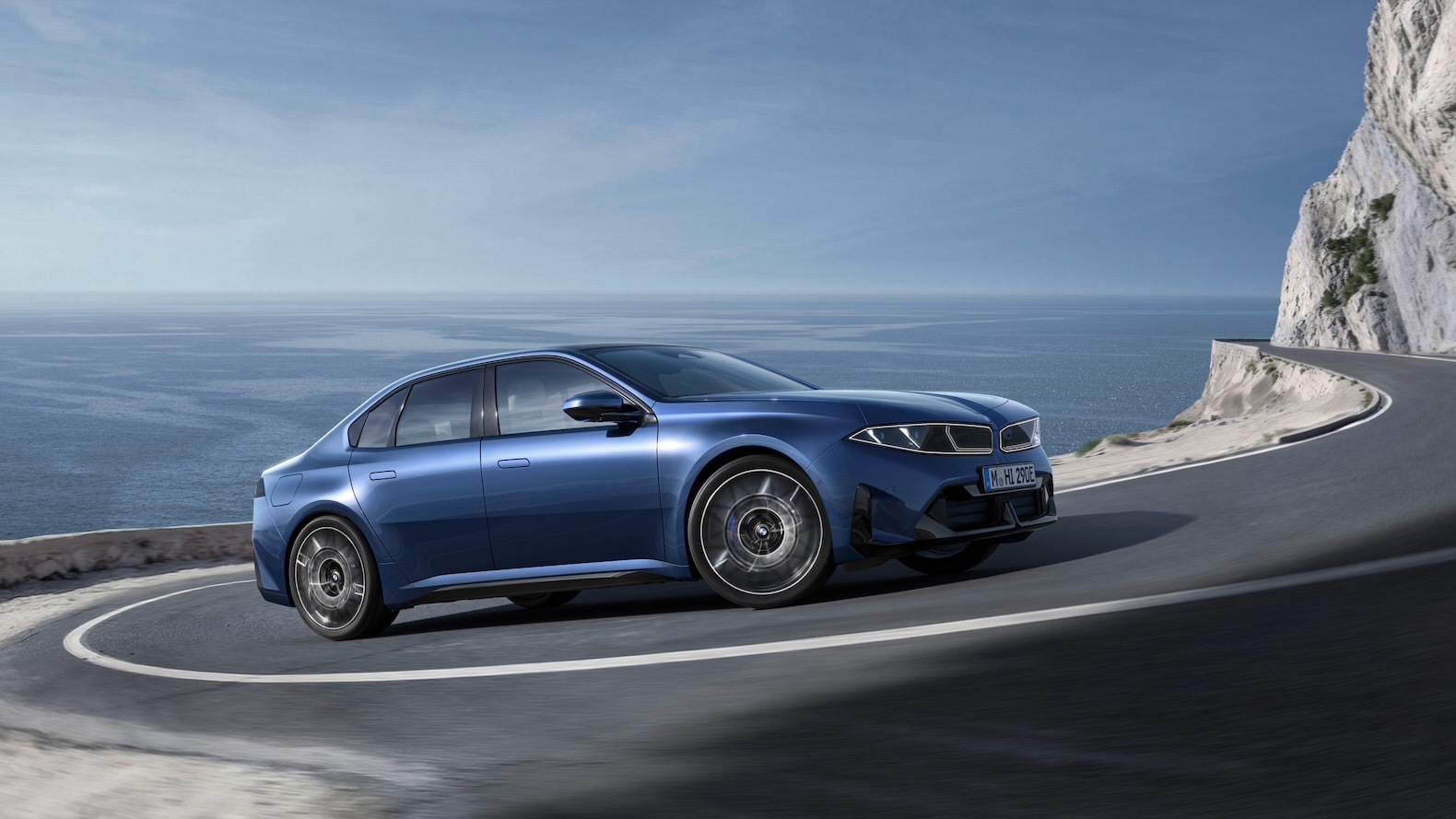
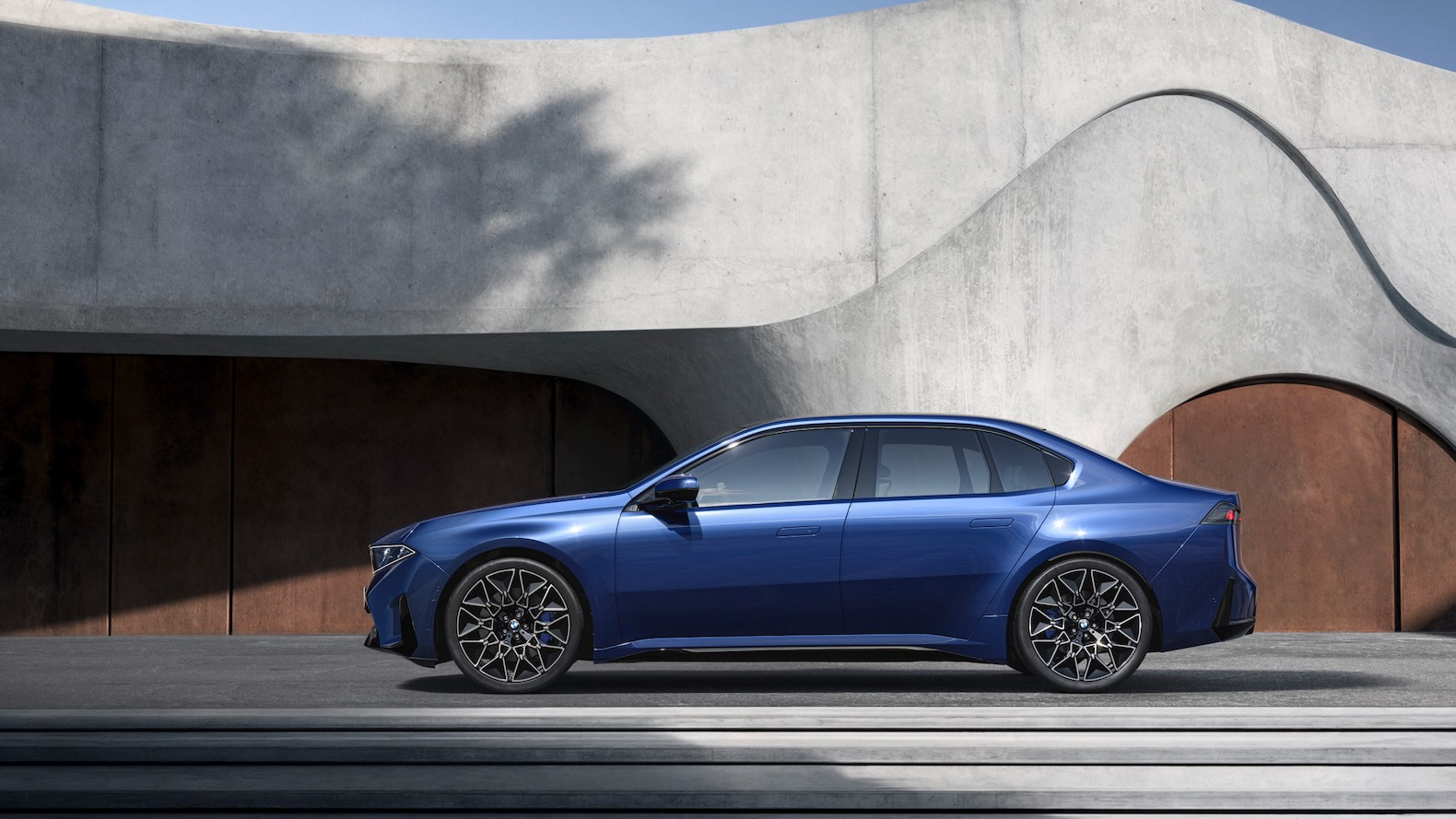
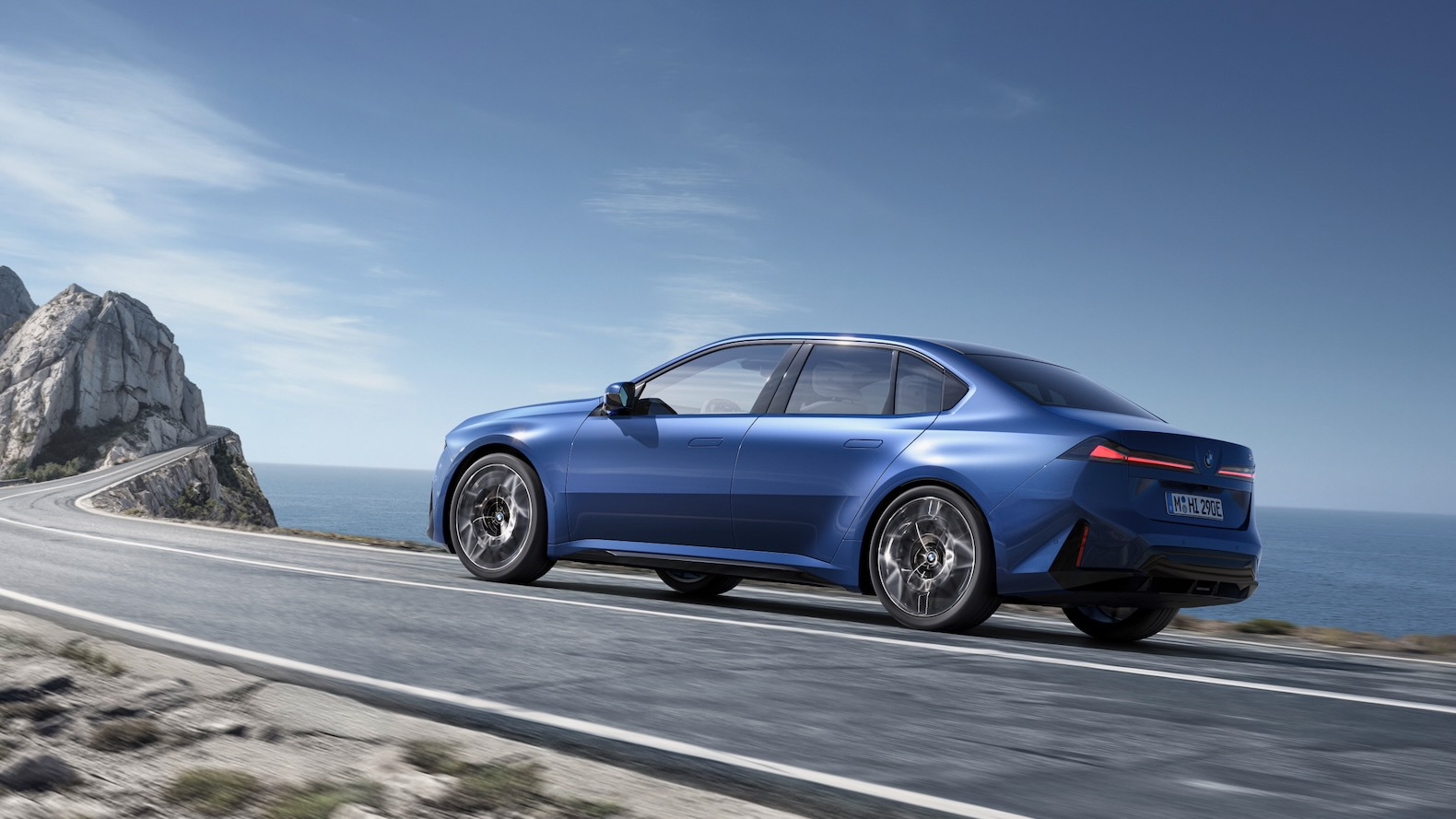
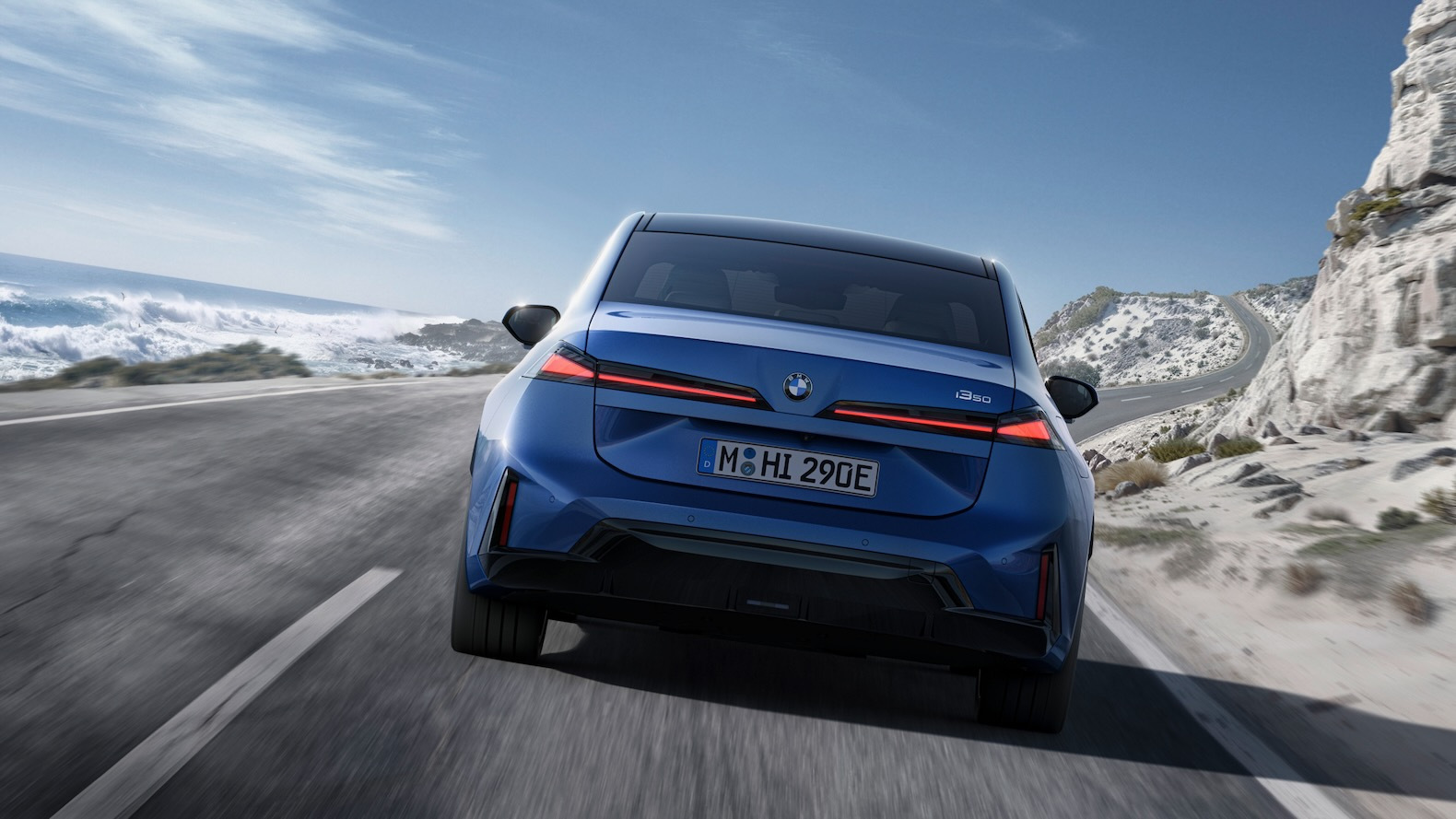
The 2027 BMW i3 has been officially shown, and it’s quite different from the small, unusual hatchback that previously had the i3 name. This i3 is a completely electric sports sedan, built on BMW’s Neue Klasse platform, essentially updating the 3 Series for the electric age.
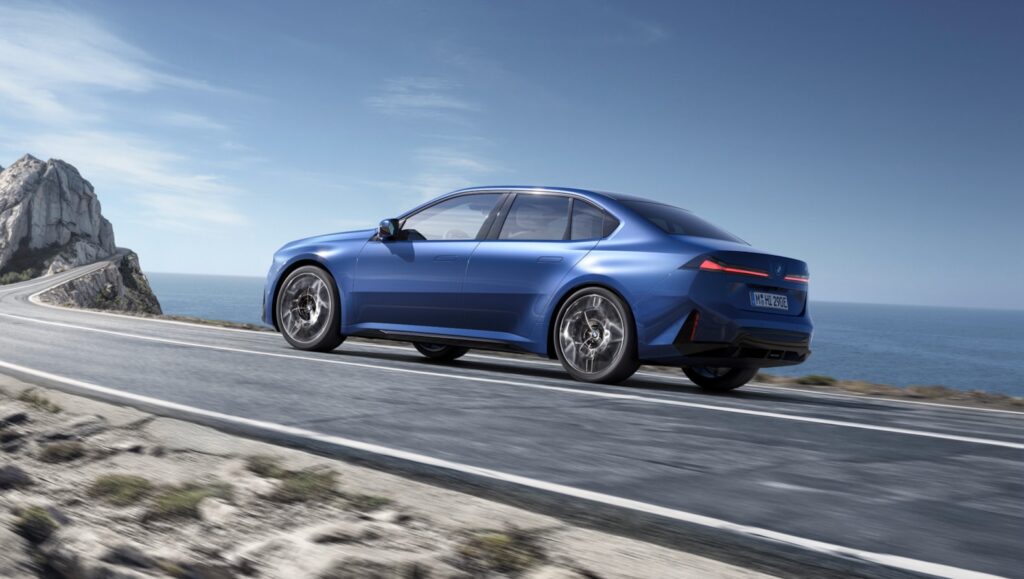
The initial model, the i3 50 xDrive, has two electric motors, all-wheel drive as a standard feature, 463 horsepower, and 476 lb-ft of torque. BMW promises the driving experience will be similar to the 3 Series, but with all-new electric components, quicker charging, and a lot more advanced digital technology than any previous compact BMW sedan.
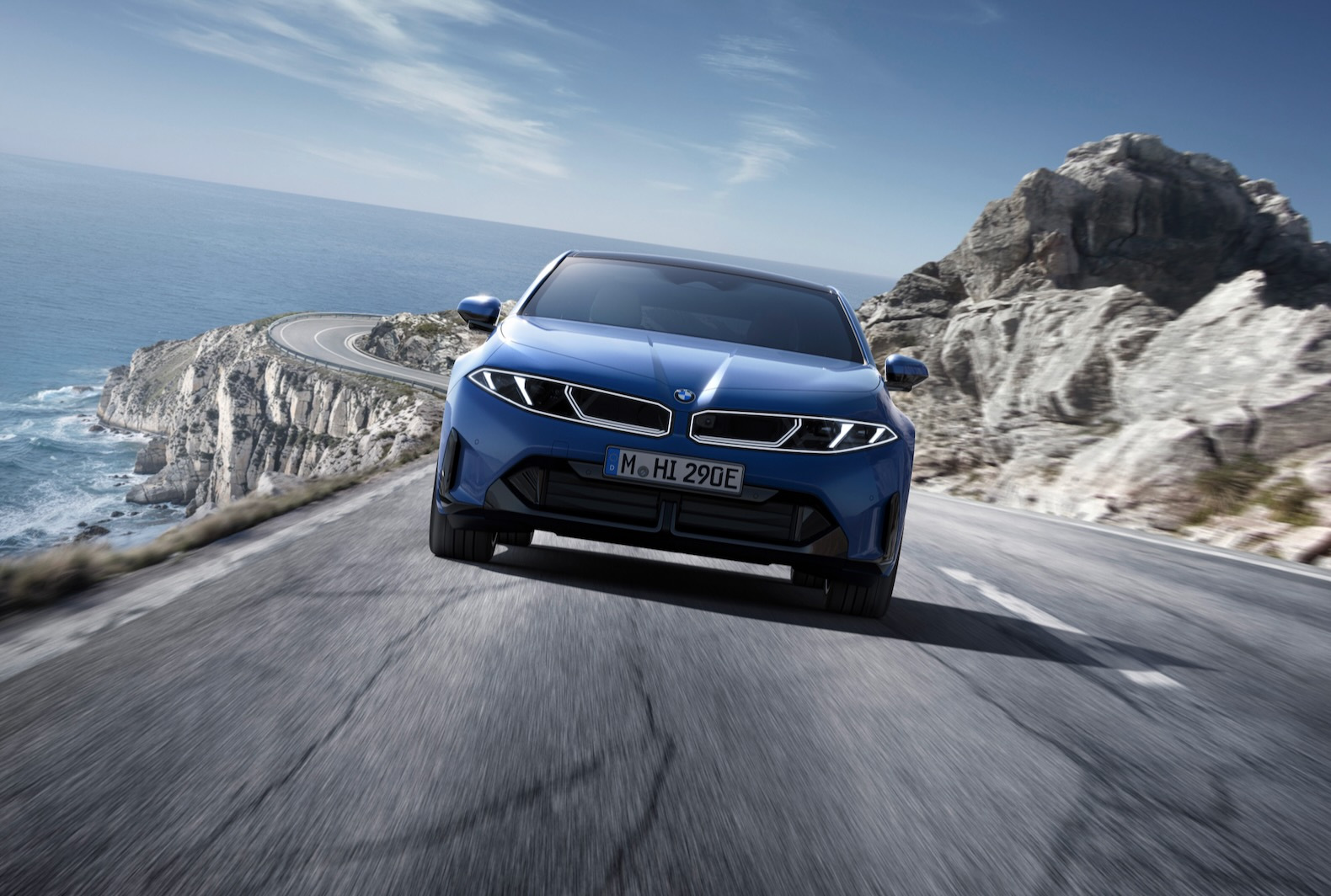
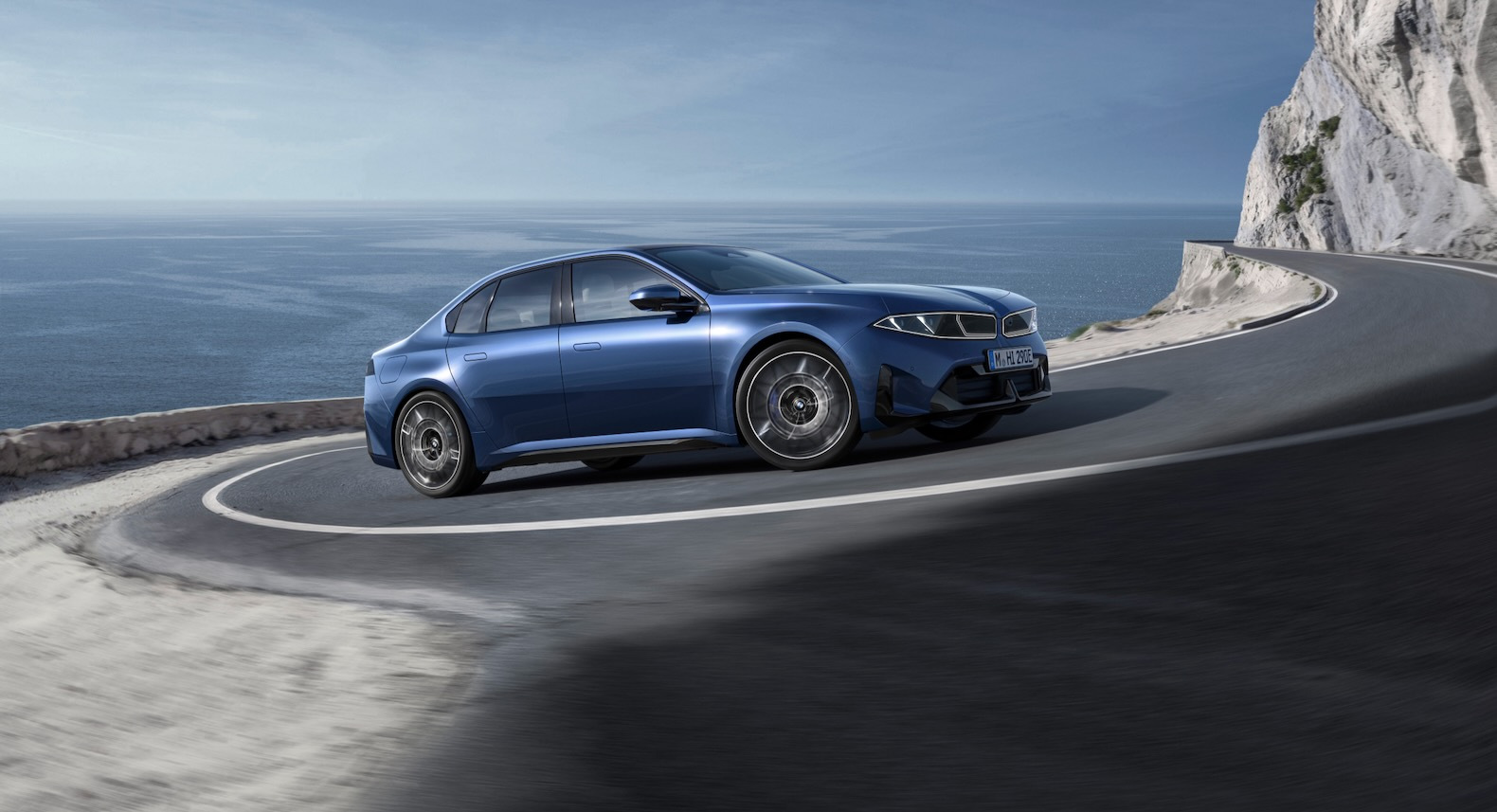
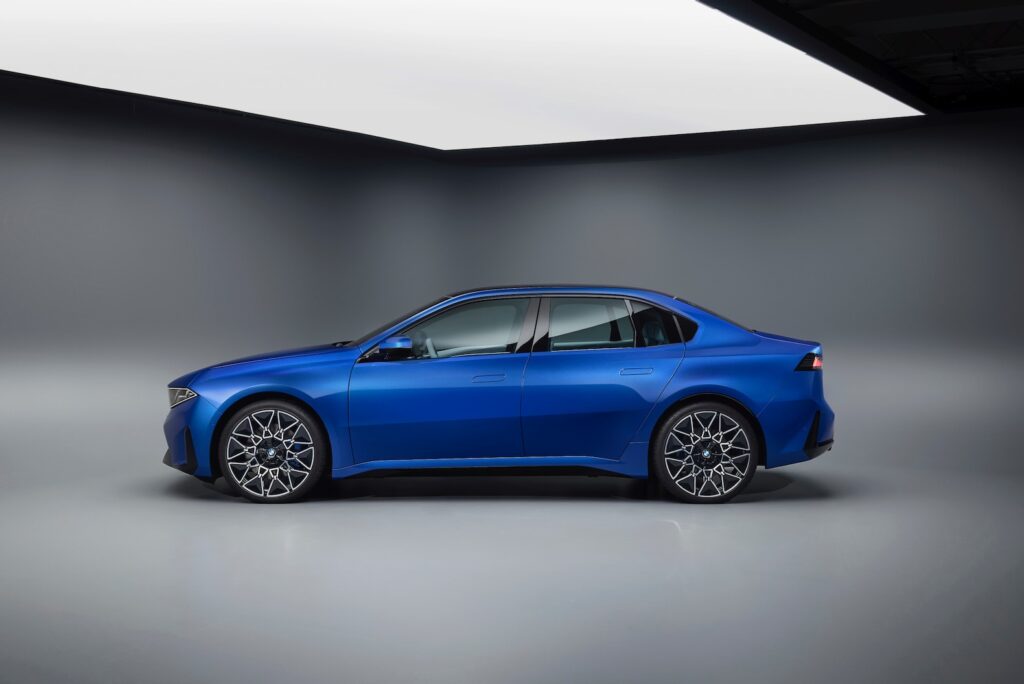
BMW is very clearly presenting the i3 as a particularly significant electric vehicle. They state this new model represents the next important phase of their Neue Klasse introduction, combining a well-known sports saloon body style with a new design and a platform created only for EVs. It has classic BMW proportions – a long distance between the wheels, short sections at the front and rear, and prominent wheel arches – yet the specifics are thoroughly contemporary. The redesigned front incorporates BMW’s kidney grille and ‘four-eye’ headlights as one visual feature.
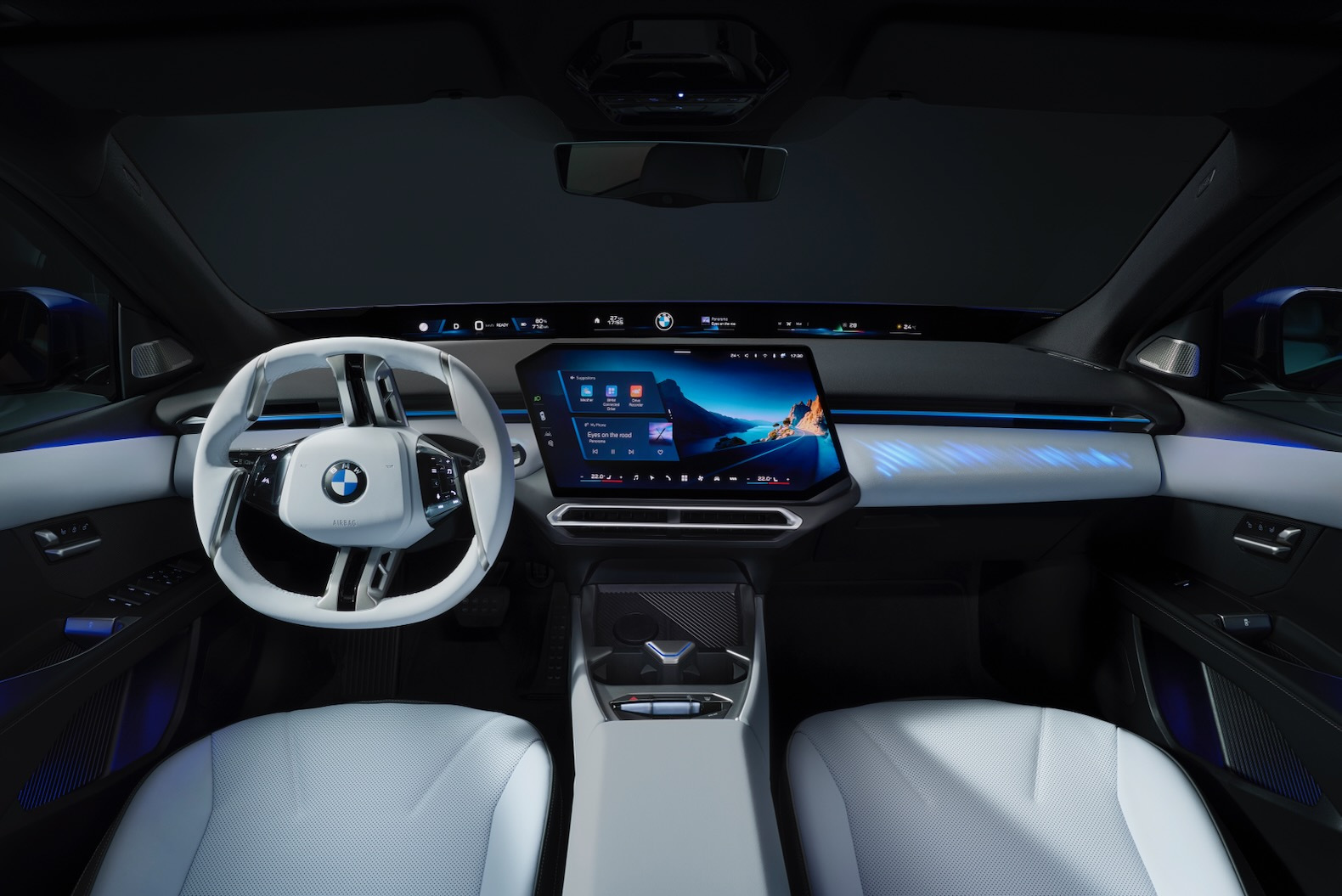
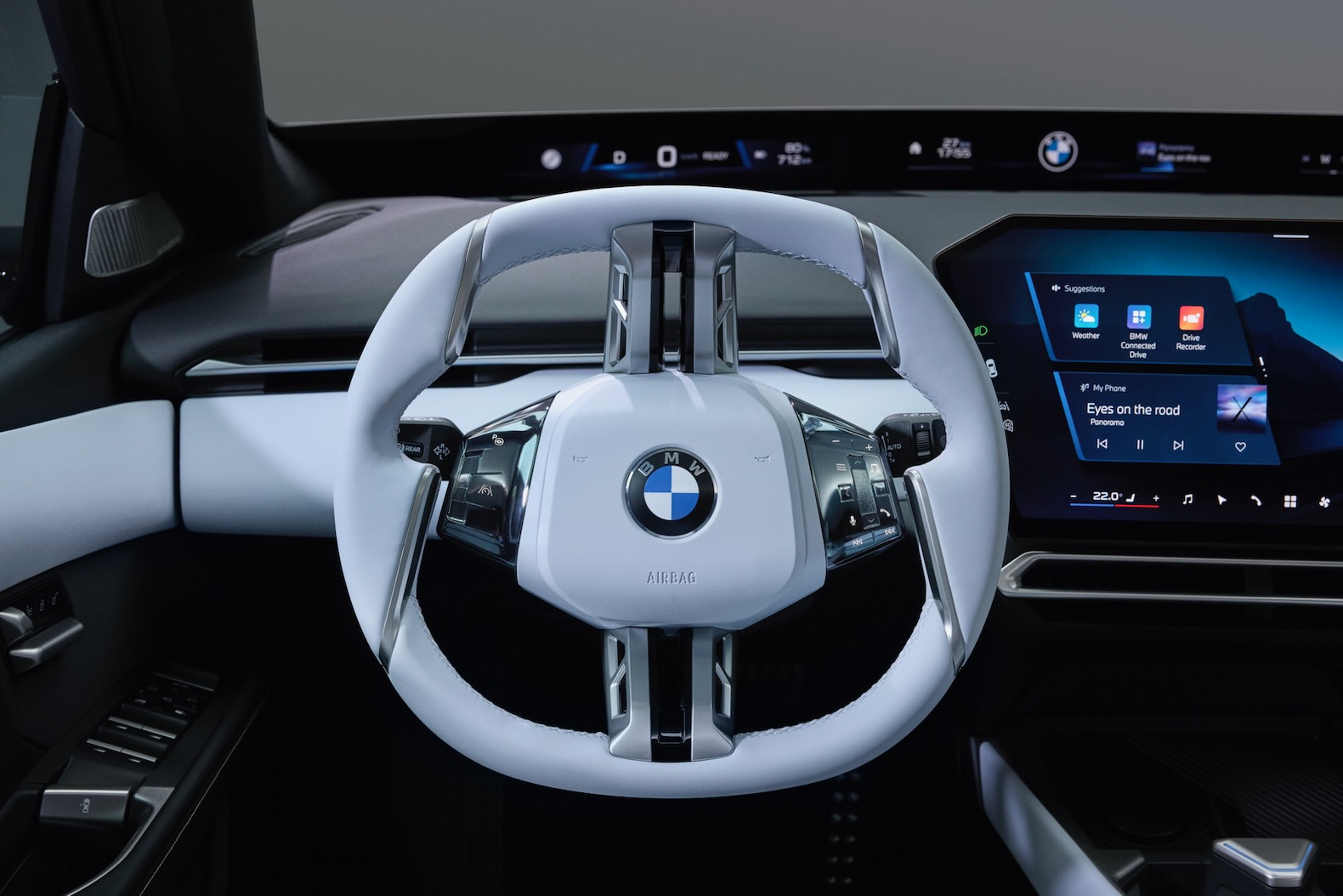
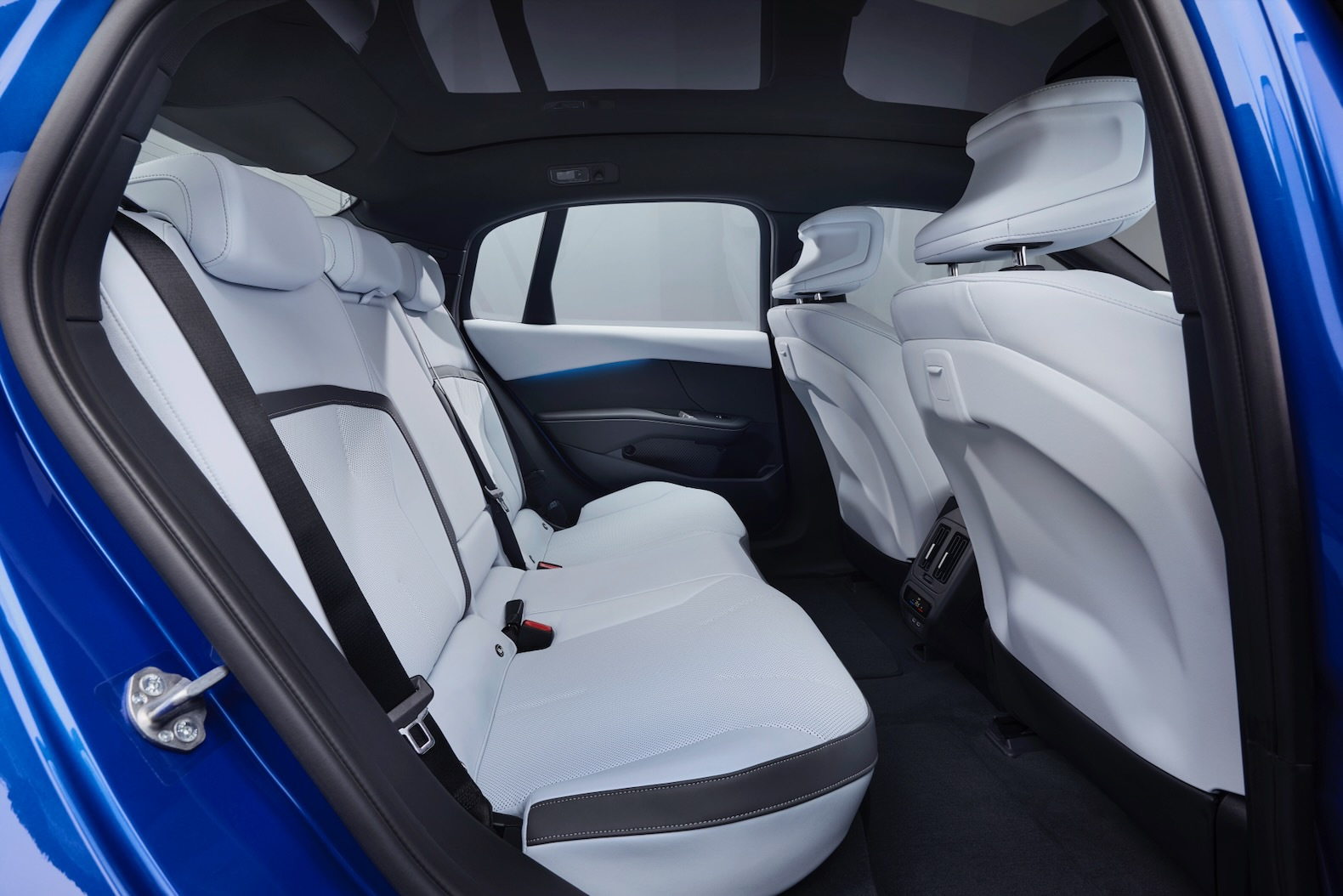
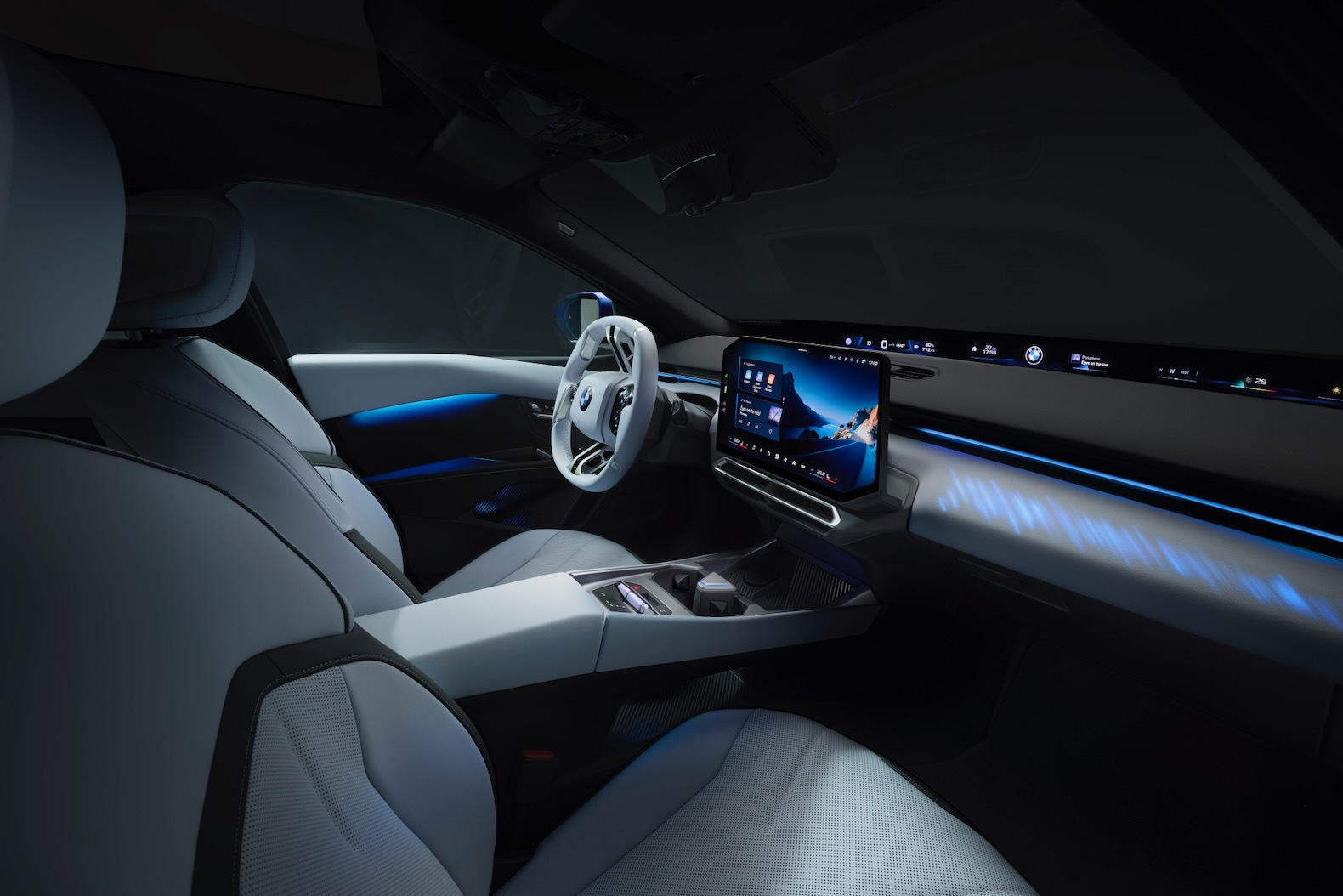
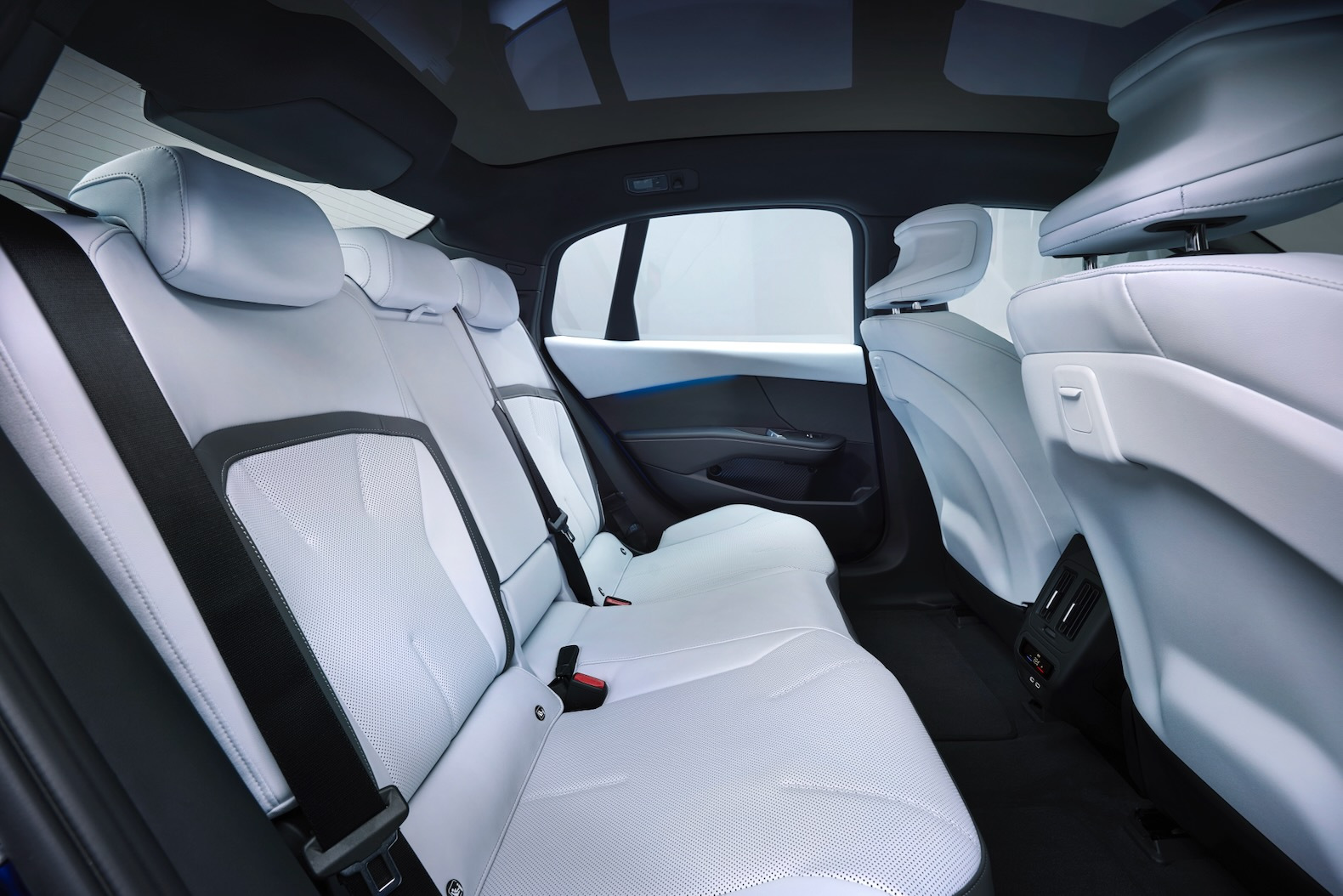
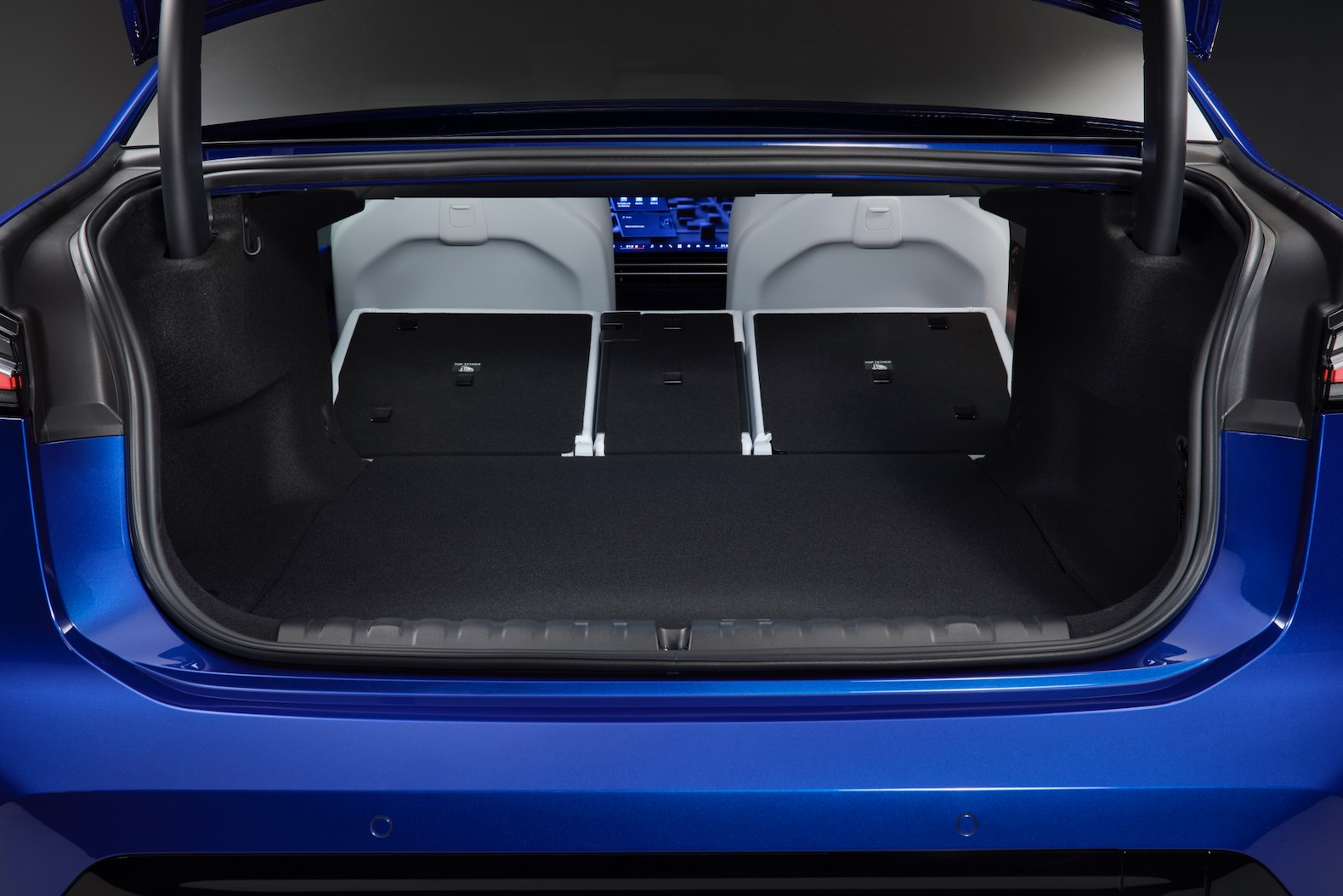
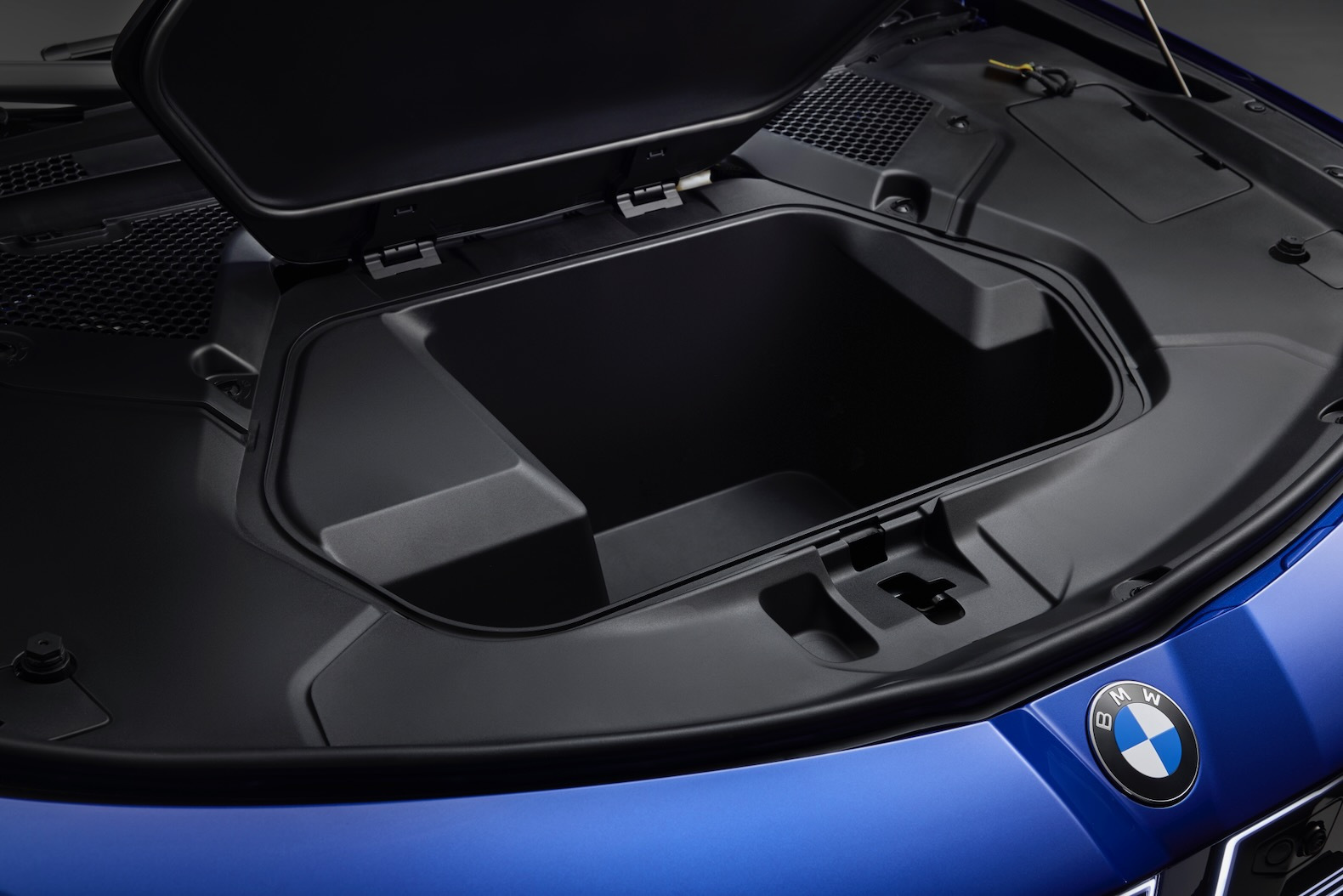
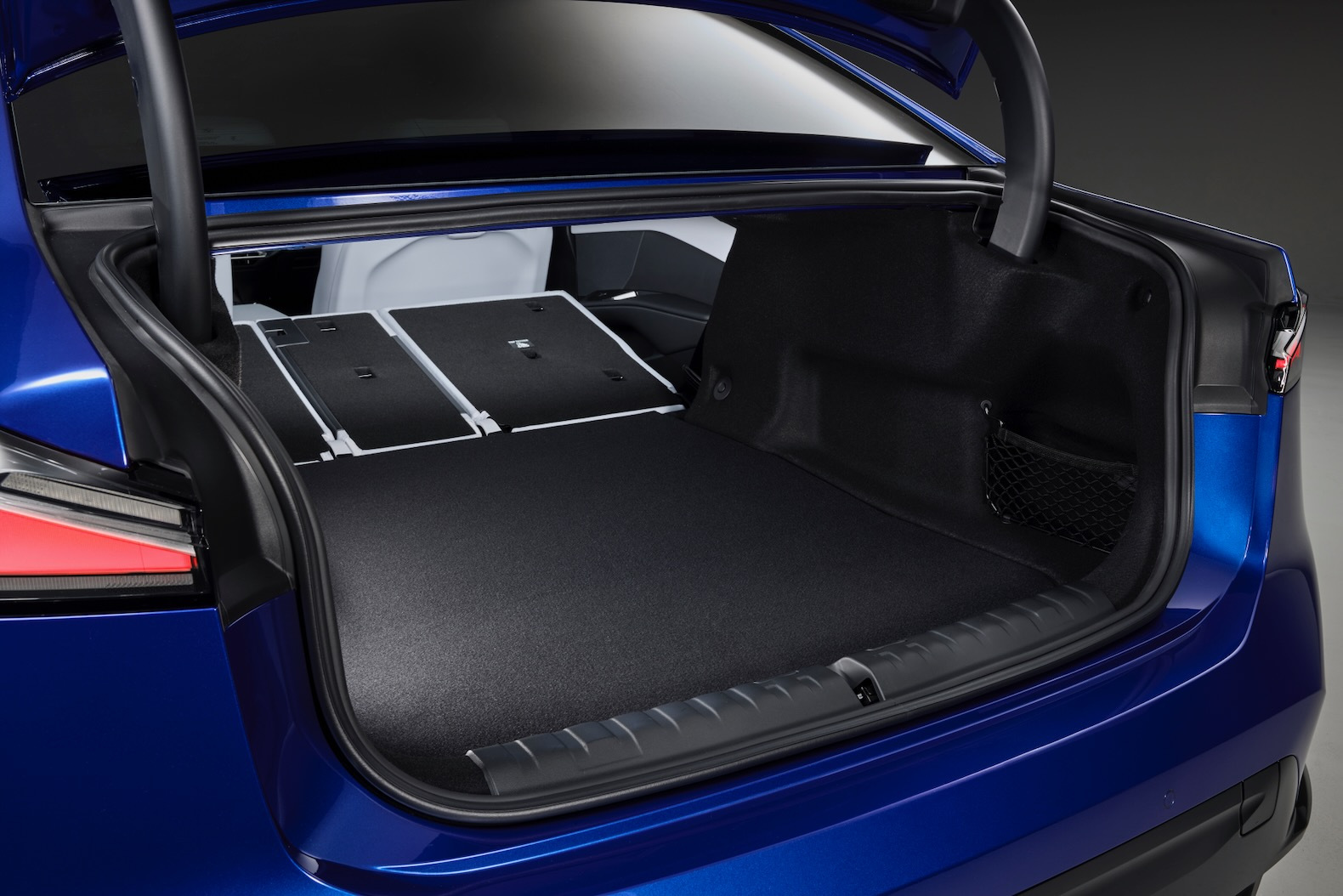
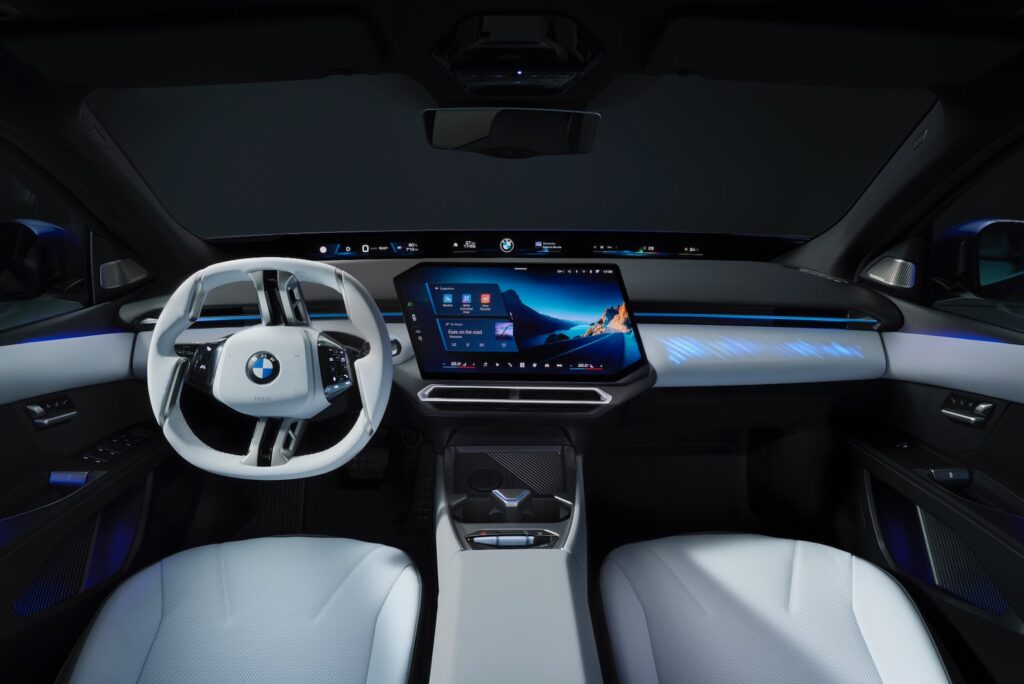
The inside is much more stripped down. The i3 boasts BMW’s Panoramic iDrive which displays information across the bottom of the windscreen, and a large 17.9-inch central screen angled towards the driver. You can also get a 3D head-up display, a redesigned steering wheel, and a tidier dashboard intended to be less distracting and keep the driver’s attention where it should be.
Perhaps the most striking aspect is the potential range. BMW says the new i3 will have a likely EPA range of up to 440 miles. If this is accurate once the final tests are done, it will be one of the electric sedans with the longest range on the market. The i3 also uses BMW’s sixth-generation eDrive technology, including an 800-volt system and up to 400kW DC fast charging. This should make charging much faster than with BMW’s current electric cars.
The battery uses new round cells and a ‘cell-to-pack’ construction to increase energy density, and the i3 has bidirectional charging. This means it can do Vehicle-to-Load, Vehicle-to-Home, and Vehicle-to-Grid, offering owners more options than just plugging in to charge. BMW also states the i3 will have a NACS port as standard in the USA, and also a CCS adapter, so it can use other charging networks.
BMW doesn’t want the electric powertrain to overshadow how the car drives. The i3 50 xDrive uses a rear electrically excited synchronous motor and a front asynchronous motor – BMW says this improves efficiency while maintaining good performance. The company also claims the system reduces energy loss by 40%, reduces the weight of the drive system by 10%, and lowers production costs by 20% compared to the previous generation.
For the chassis, the i3 has a two-joint spring strut front axle, a new five-link rear axle and, as standard, dampers that adjust to how far the suspension is moving, with Adaptive M suspension available as an upgrade. BMW is also highlighting a new control unit called Heart of Joy, which manages the driving, braking, steering and regenerative braking. BMW says it reacts ten times quicker than previous systems and is designed to make the i3 feel more accurate and consistent when cornering, and also to make the ride smoother for normal driving.
The new BMW i3 will start being produced in August at BMW’s Munich factory, and the first customers should get them in the autumn of 2026. One year after that, the plant will only be making Neue Klasse EVs.
The new i3 is looking to be much more than just another electric sedan. BMW is trying to completely change what an electric 3 Series can be, offering more range, quicker charging and a simpler, more technologically advanced cabin.