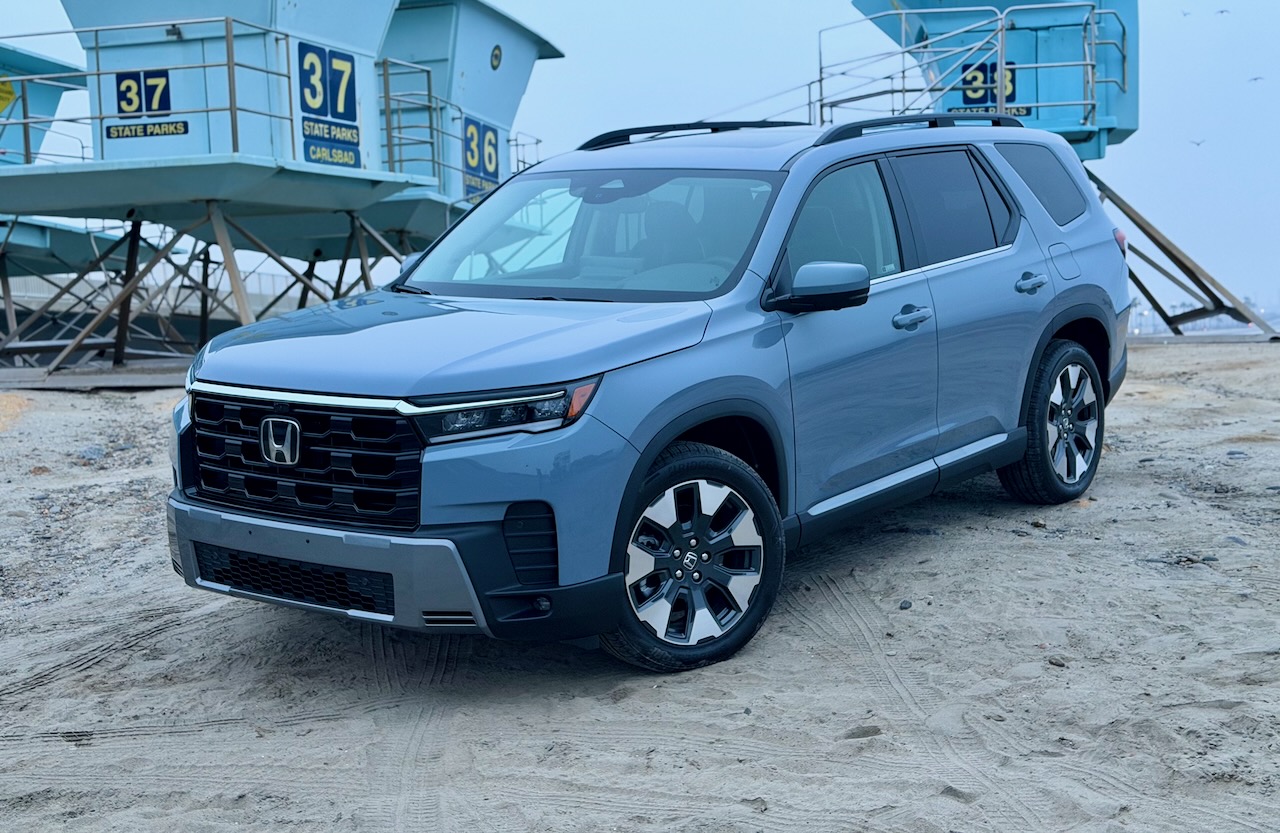
The 2026 Honda Pilot doesn’t reinvent Honda’s three-row formula, but it does sharpen it in ways that matter if you actually spend time behind the wheel. This latest update feels less like a redesign and more like a thoughtful recalibration—one that addresses some long-standing complaints while quietly reminding buyers why the Pilot has remained a steady seller in a fiercely competitive segment.
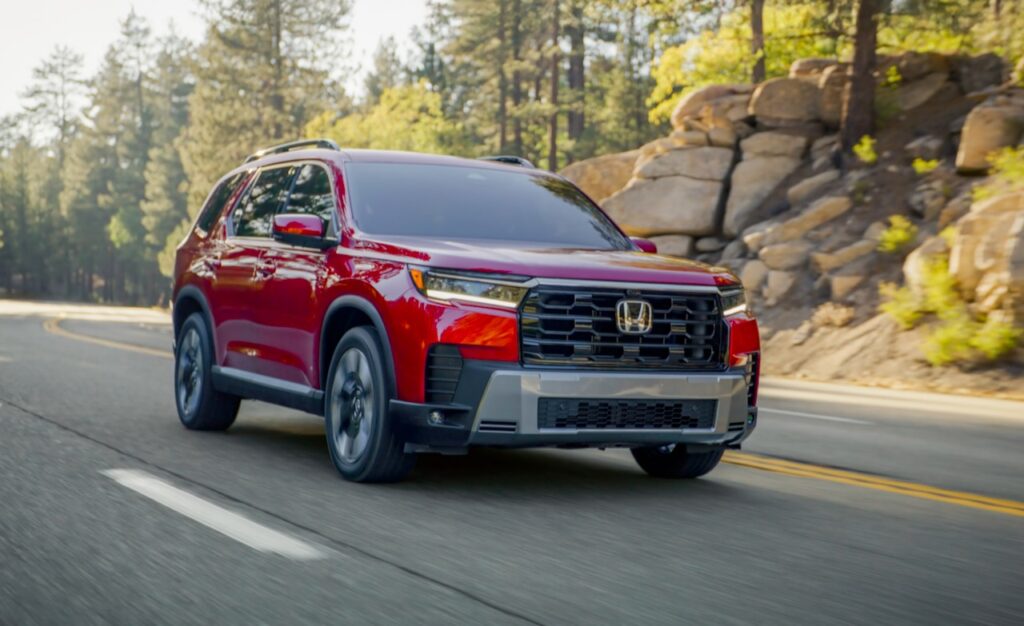
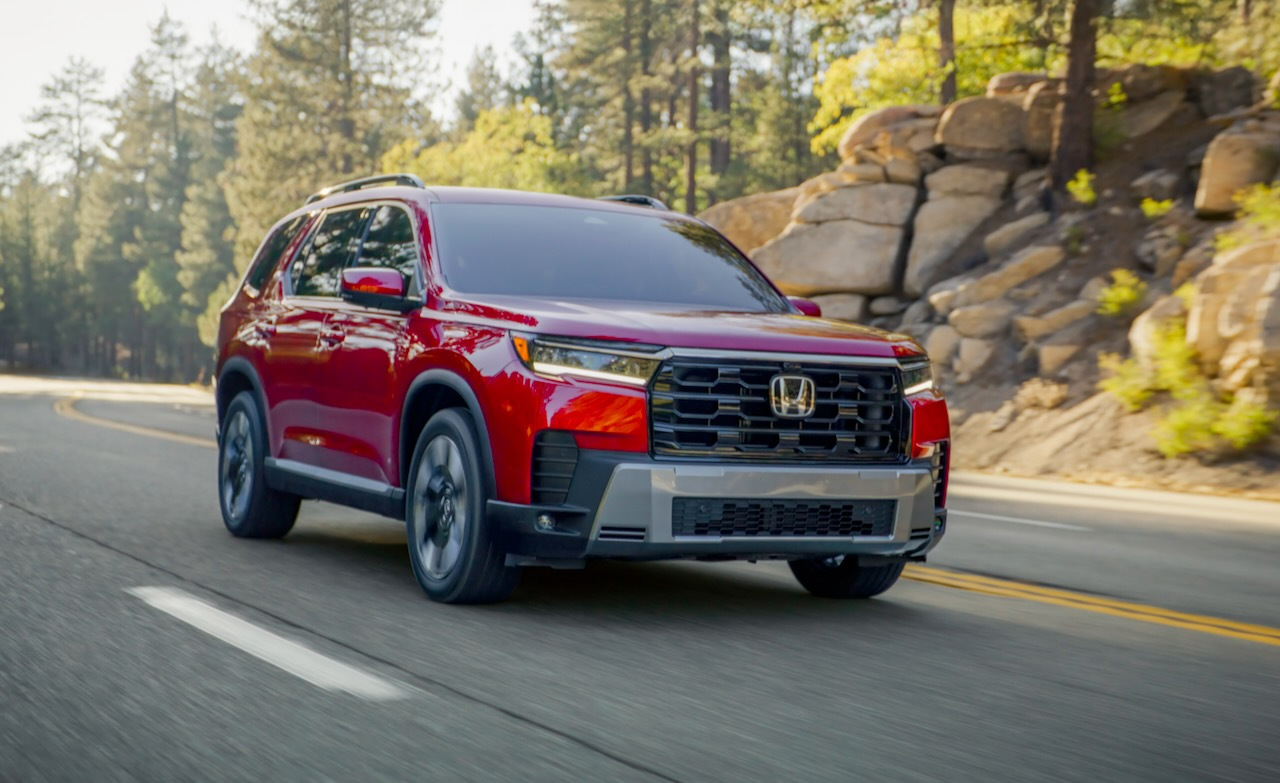
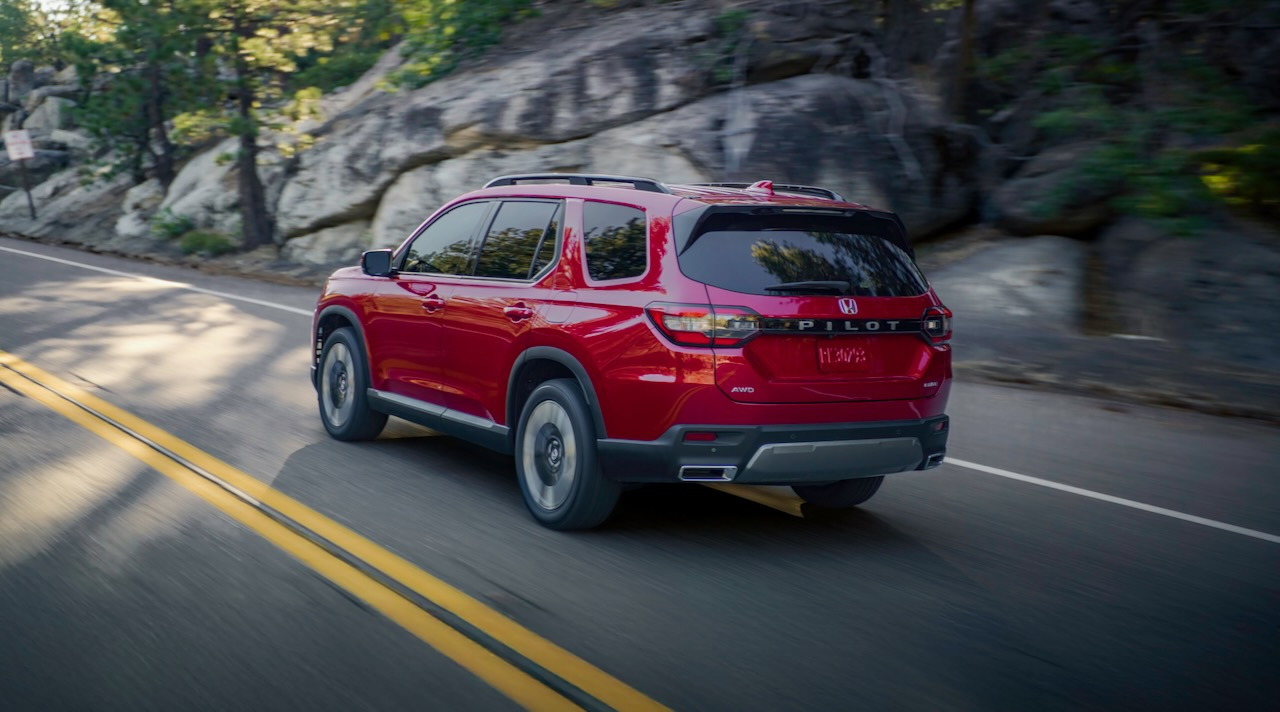
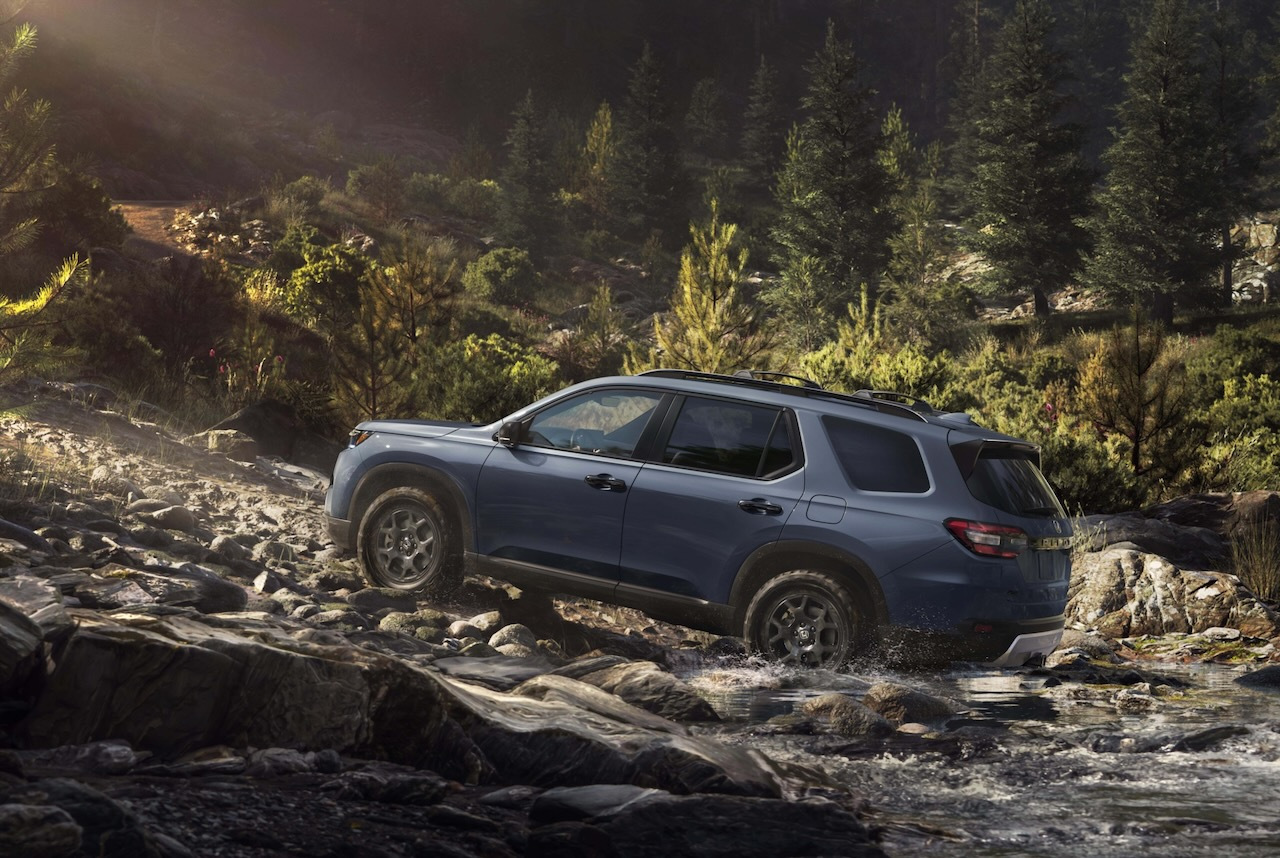
From the driver’s seat, the biggest improvement is the retuned steering. There’s more accuracy on center and noticeably better feedback than before, giving the Pilot a more confident, planted feel at speed. It’s not suddenly a canyon carver, but body roll is well managed and the suspension strikes a clean balance between ride comfort and control. In fact, it feels more solid and composed on the road than some newer rivals, including the Hyundai Palisade, especially on long highway stretches.
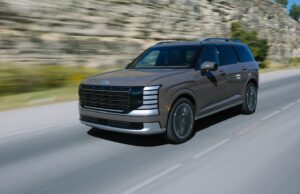
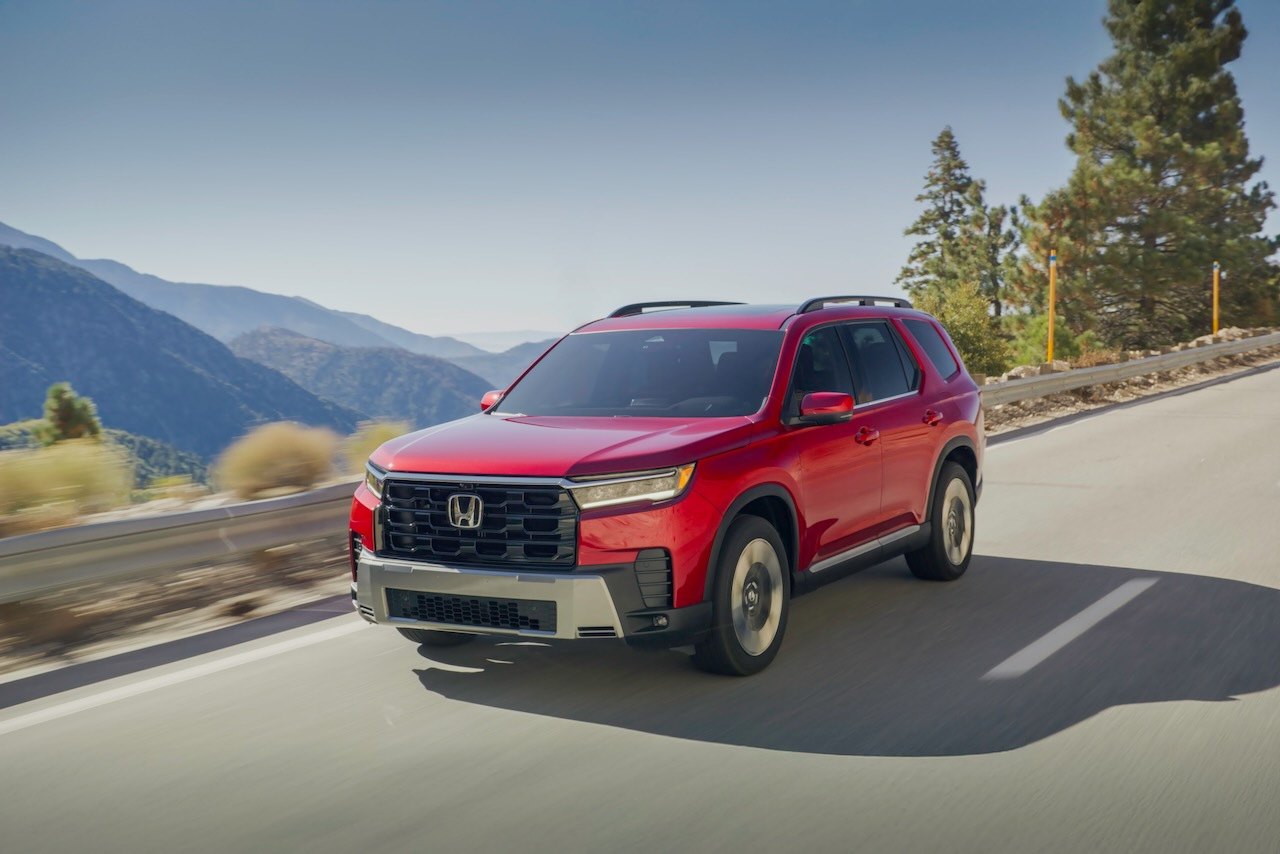
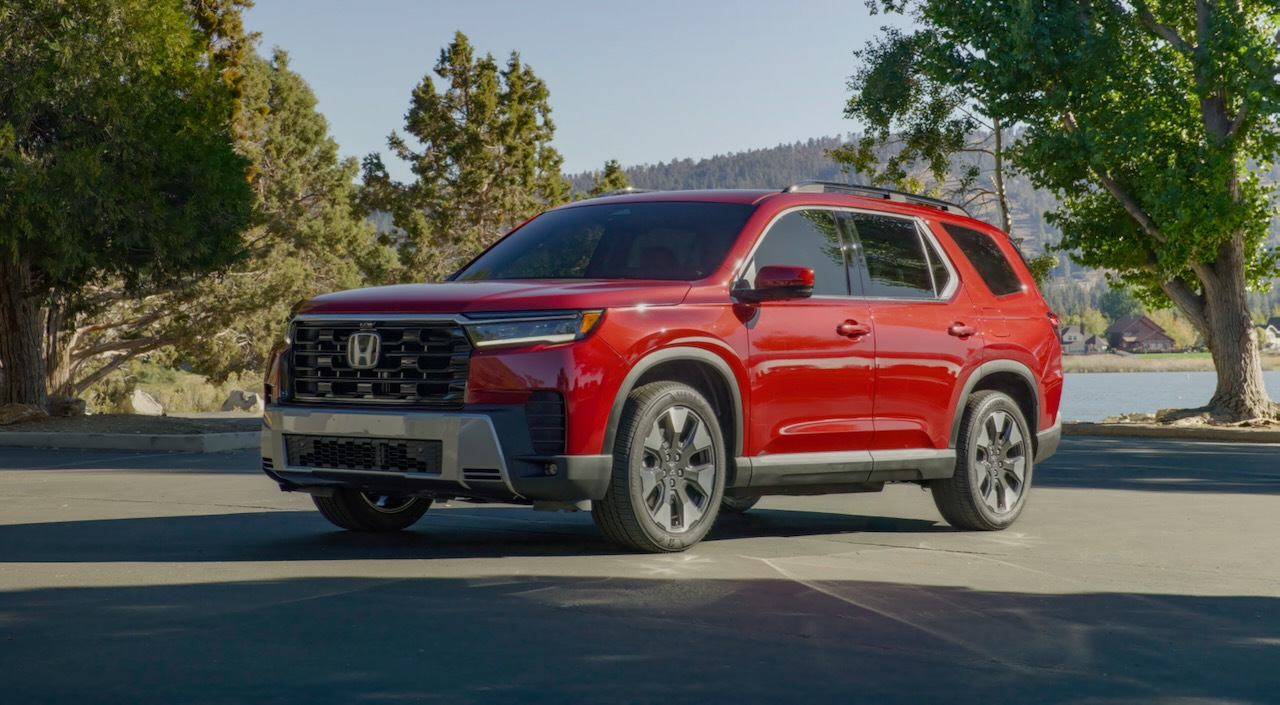
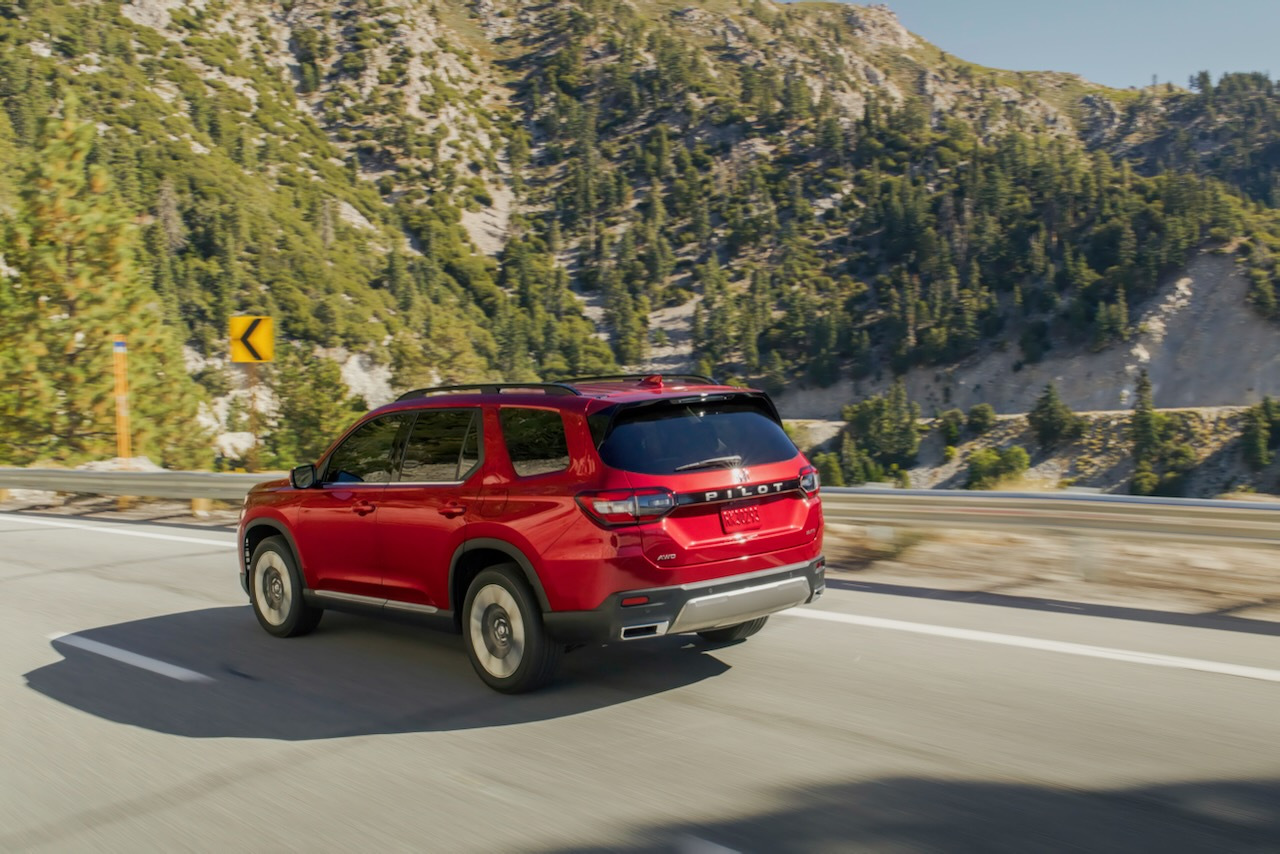
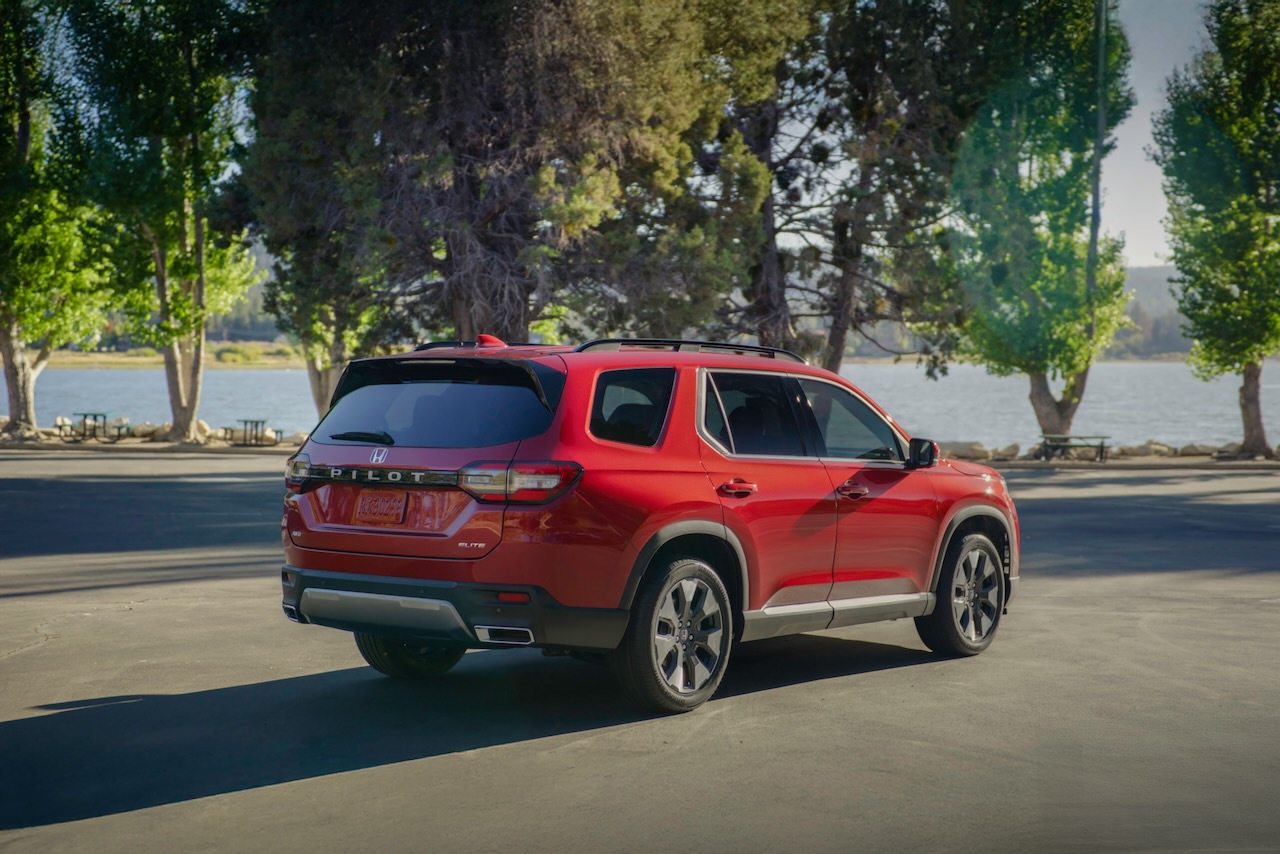
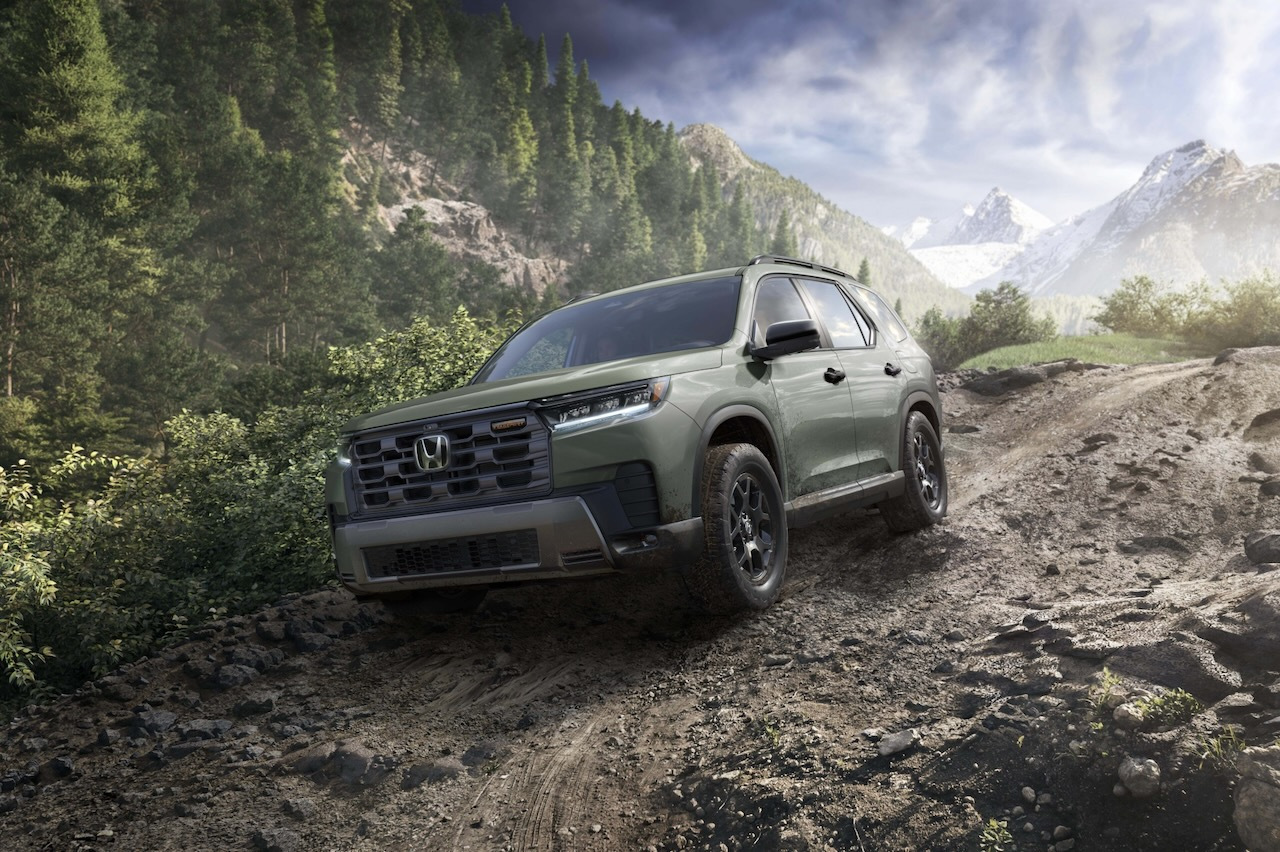
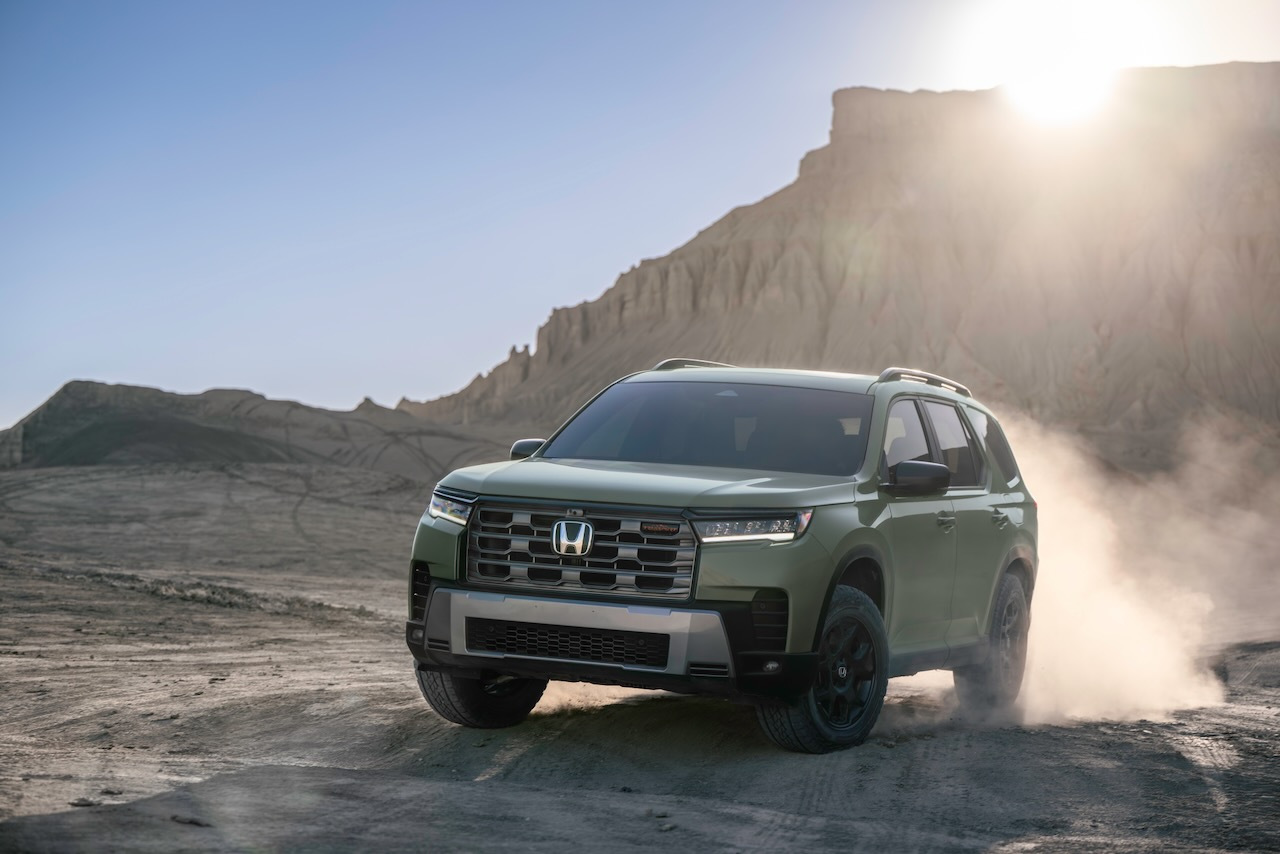
Visually, Honda has leaned into a tougher look. The redesigned, larger grille adopts a more squared-off shape that gives the Pilot a stronger presence.
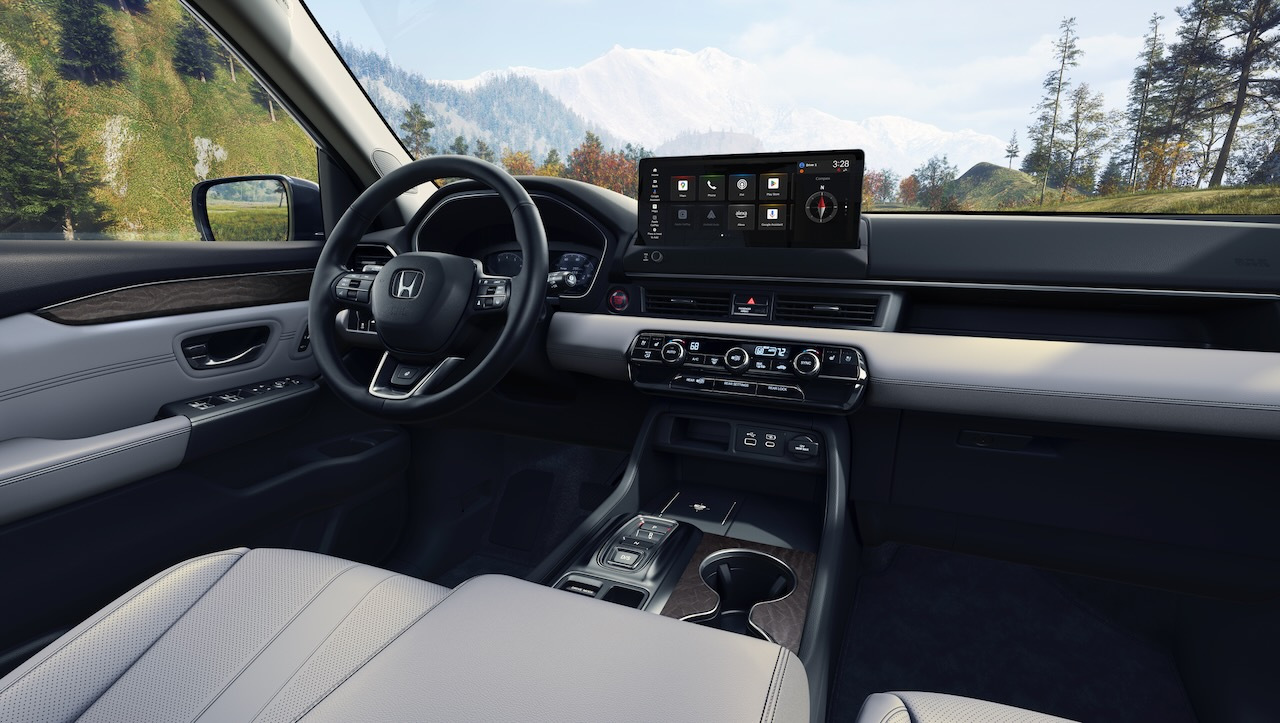
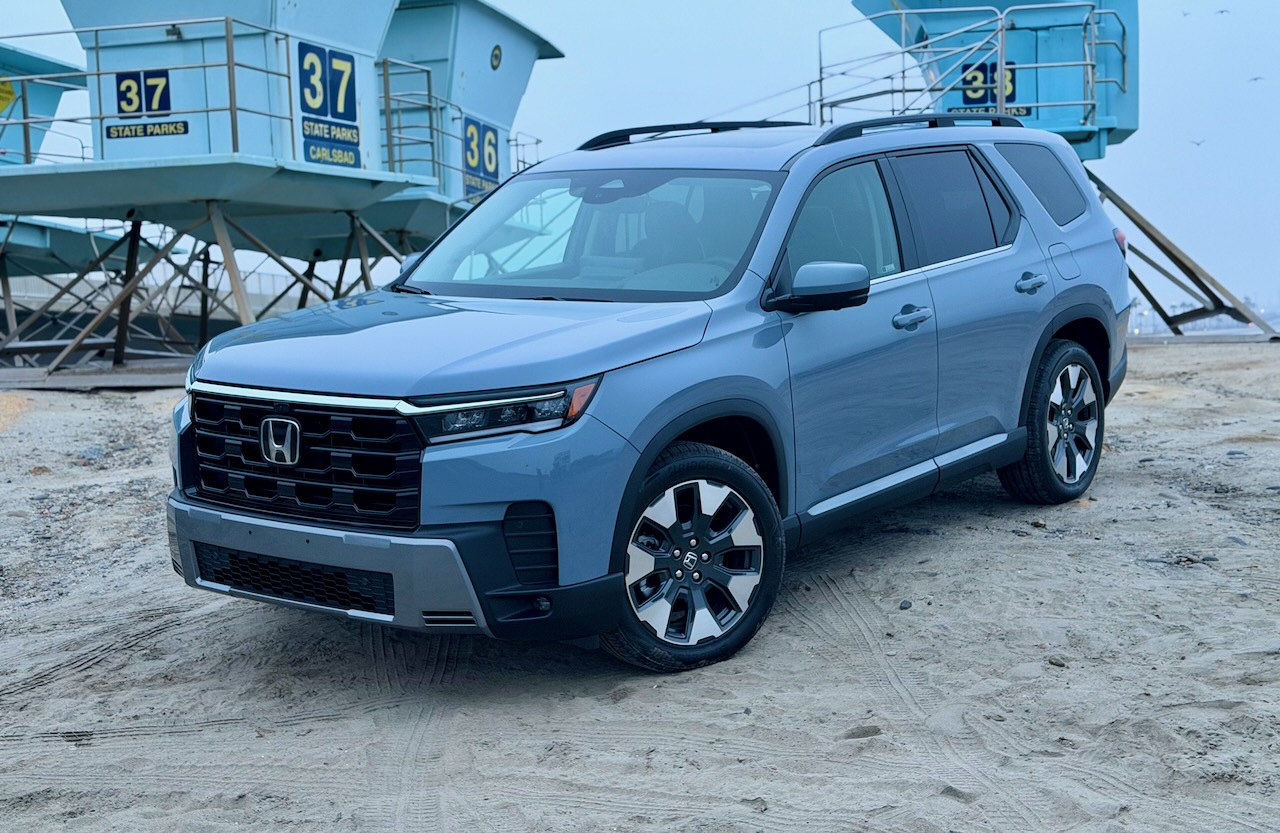
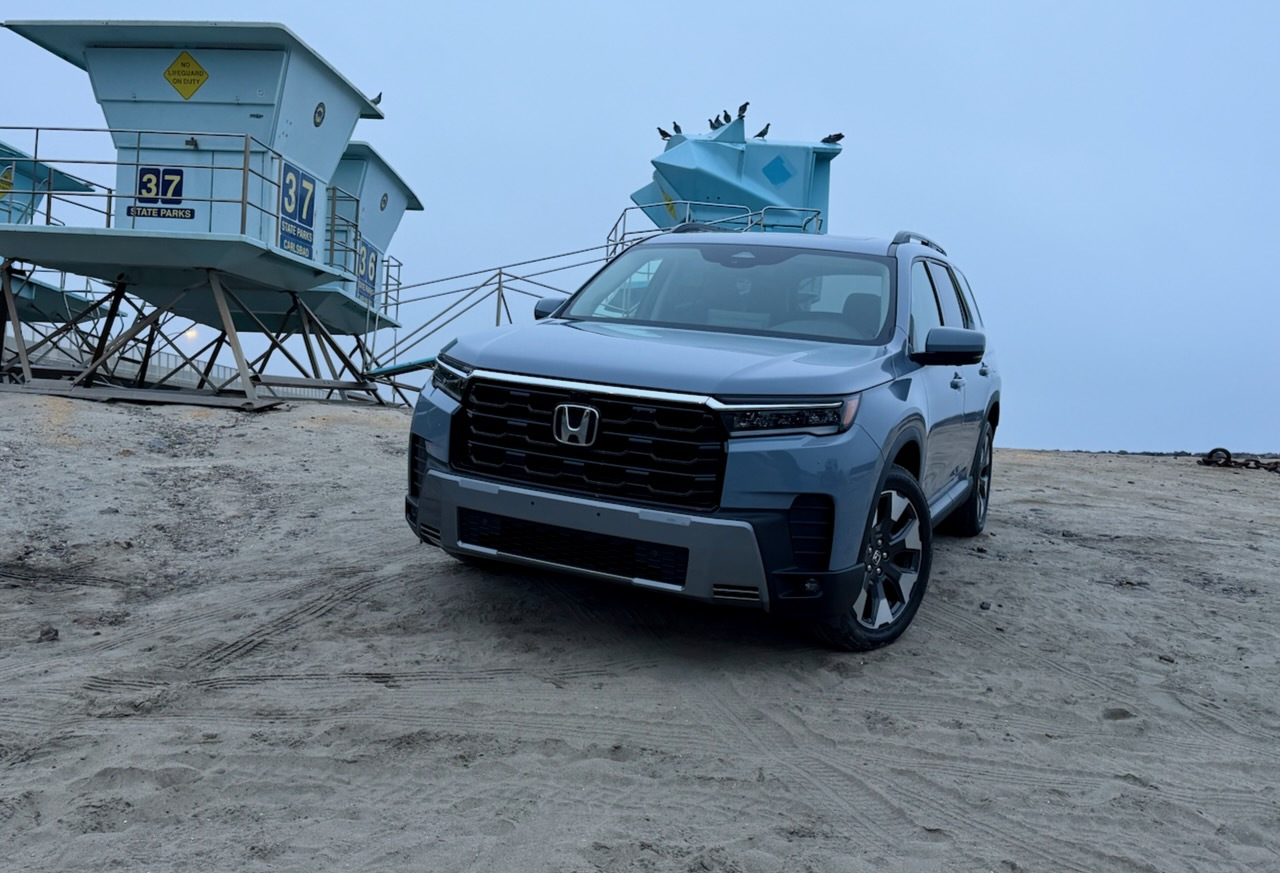
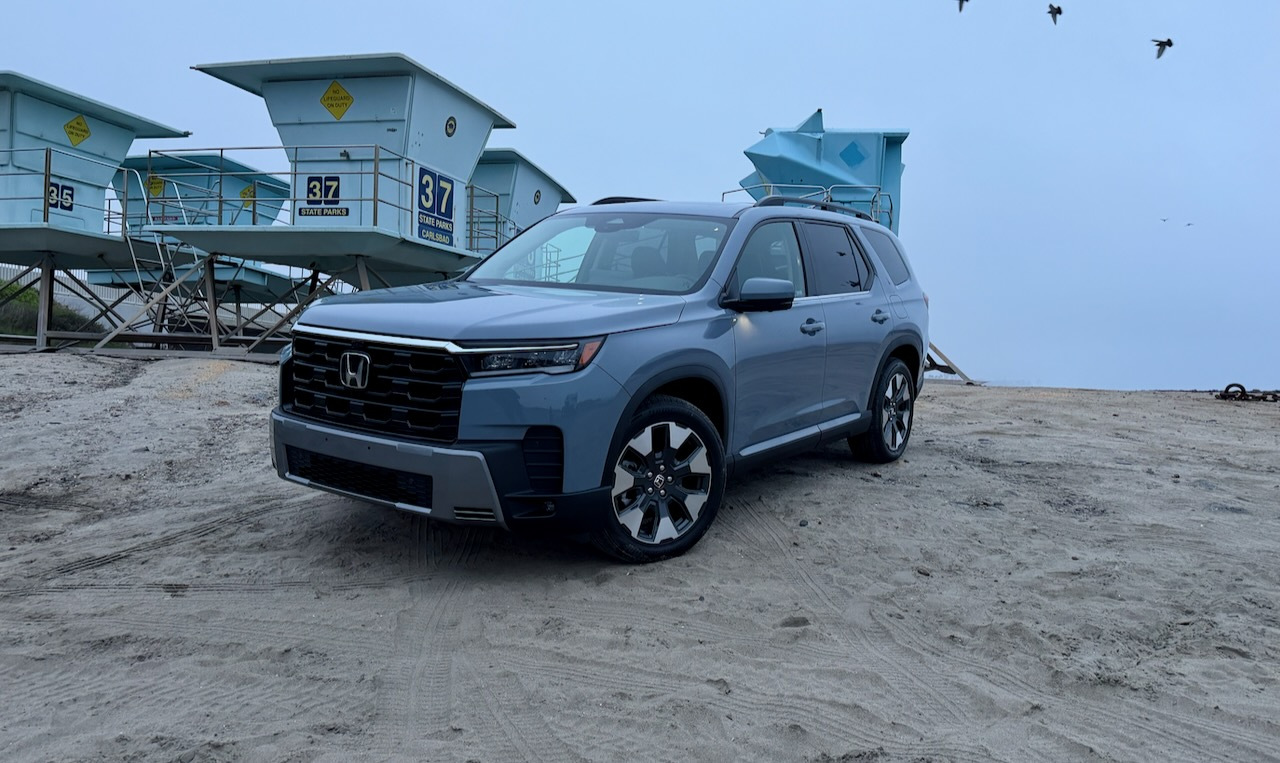
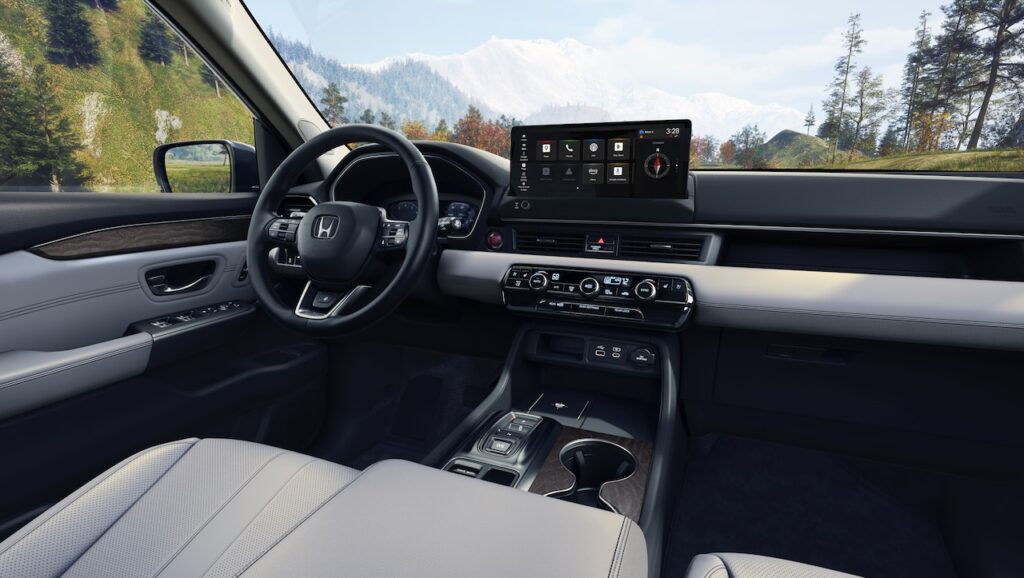
Inside, tech upgrades finally bring the Pilot closer to segment expectations. A new 12.3-inch infotainment touchscreen anchors the dash, paired with a crisp 10.2-inch digital instrument cluster. The interface is clean and responsive, though still conservative compared to some flashier competitors. Honda has also added more sound deadening and laminated glass, and the payoff is immediate. Road and wind noise are noticeably reduced, making the cabin feel calmer and more premium on longer drives.
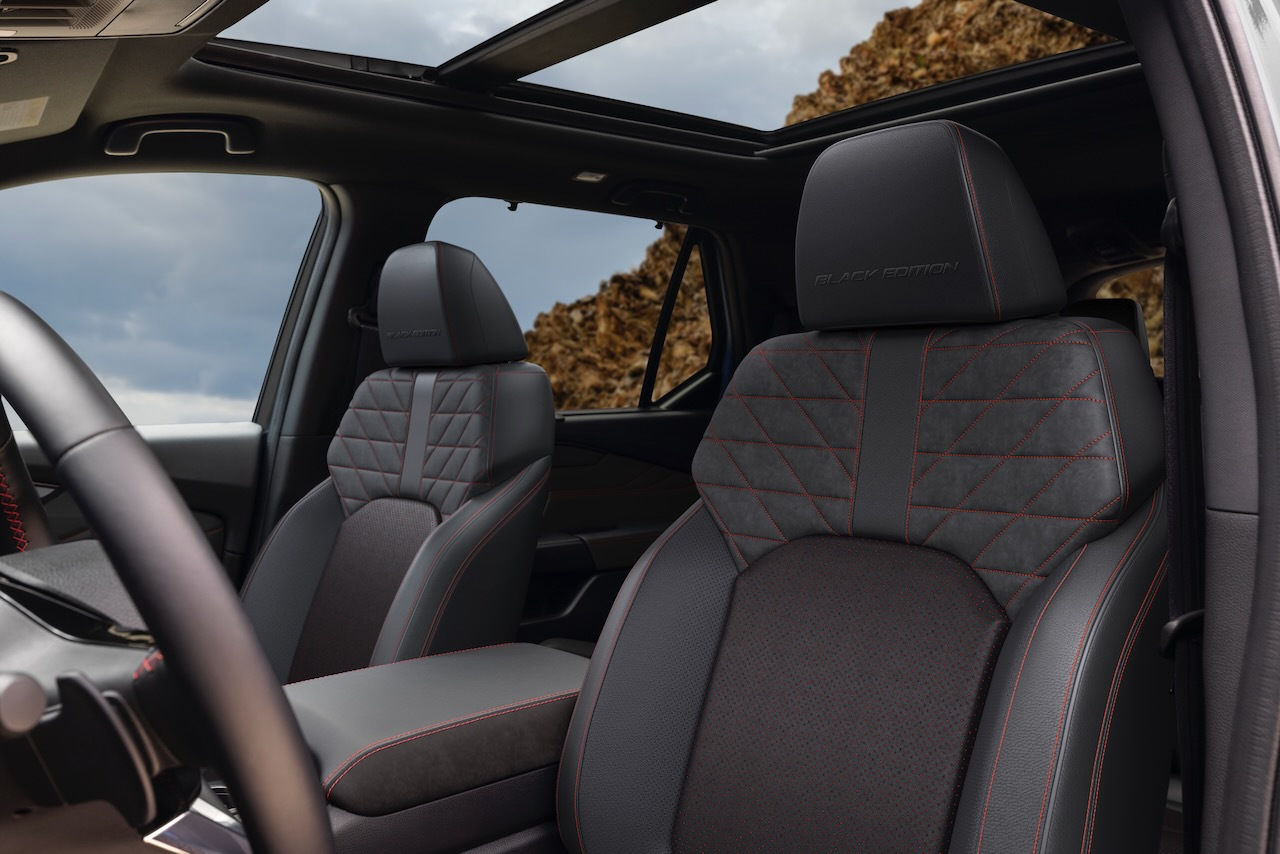
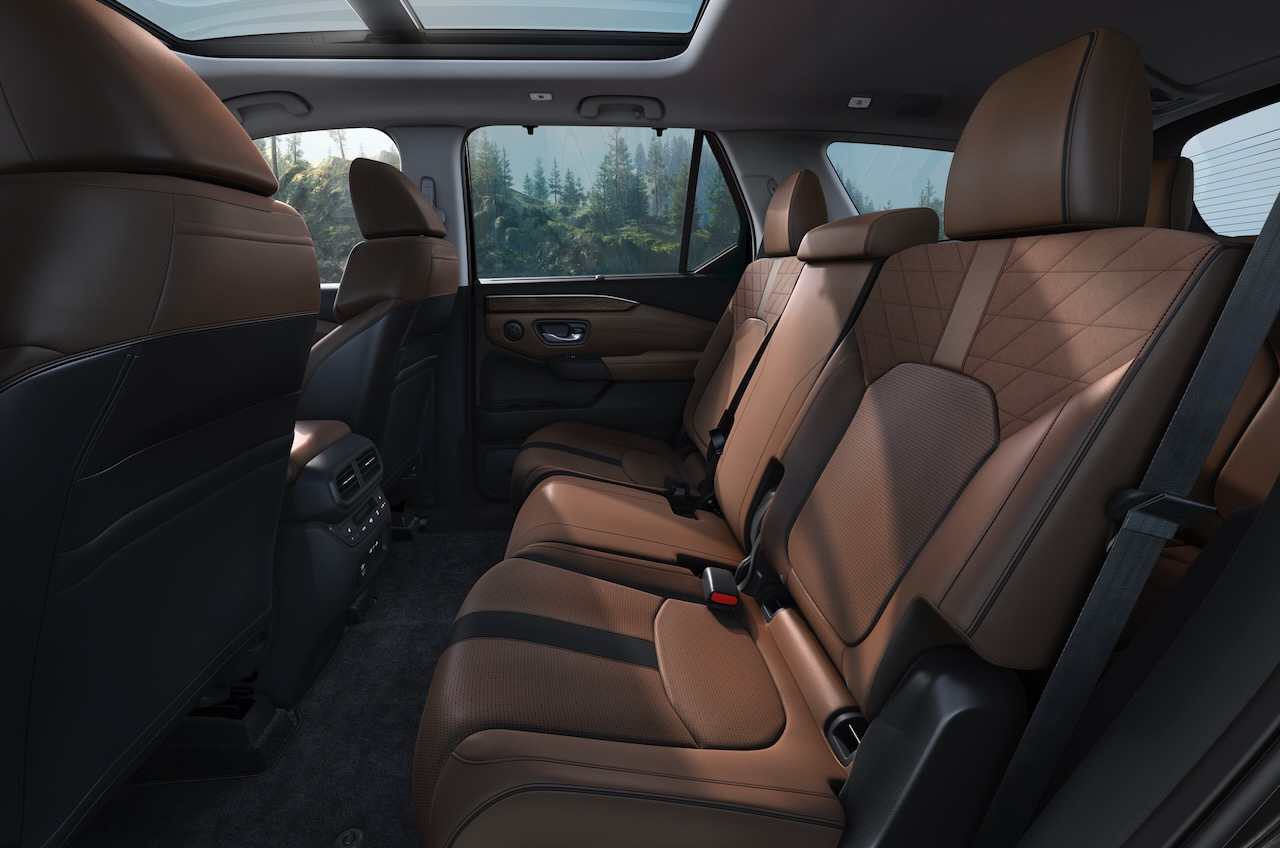
At the top of the range, you get Ultra-Suede accents and diamond stitching on the seats, which help elevate the interior ambiance. Still, this is where Honda’s restraint cuts both ways. While the materials are solid and the layout is logical, the Pilot doesn’t quite match the sense of luxury found in rivals like the Hyundai Palisade or Mazda CX-90.
Power comes from the familiar 3.5-liter V6, producing 285 horsepower and 262 lb-ft of torque that’s mated to a 10-speed automatic transmission. It’s smooth, refined, and entirely predictable. The engine sounds good when pushed, but it’s never particularly exciting, and that’s very much the point. The bigger issue is efficiency: a combined rating of up to 22 mpg feels increasingly out of step in a segment where hybrid options are becoming the norm. Honda has confirmed that a hybrid powertrain is coming for its midsize lineup, but for the Pilot, it can’t arrive soon enough—especially with competitors like the Toyota Grand Highlander offering more efficient alternatives today.
Space, at least, remains a Pilot strong suit. All three rows offer usable room for adults, and the overall layout makes family duty easy and intuitive. There are no clever tricks here, just good packaging and thoughtful ergonomics that make daily life simpler.
Pricing for the 2026 Honda Pilot starts at $43,690.
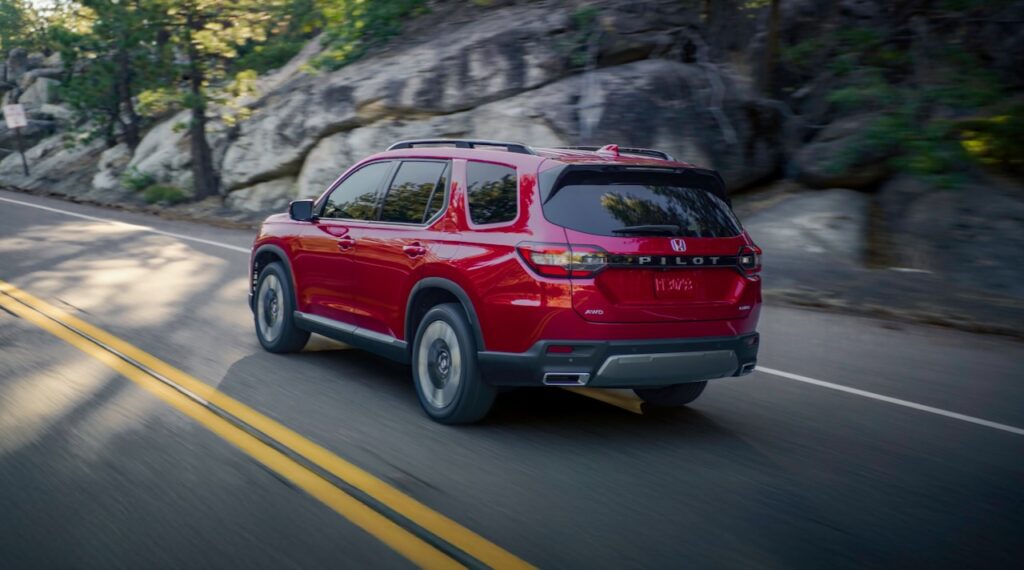
Ultimately, the 2026 Honda Pilot is a reminder that incremental improvements can still matter. It drives better than before, it’s quieter, and it looks sharper, but it also plays things a bit too safe in a segment that’s rapidly moving toward electrification and higher-end interiors. For buyers who value balance, reliability, and a polished driving experience, the Pilot still makes a strong case—but Honda’s next move, especially on the hybrid front, will determine how competitive it remains going forward.