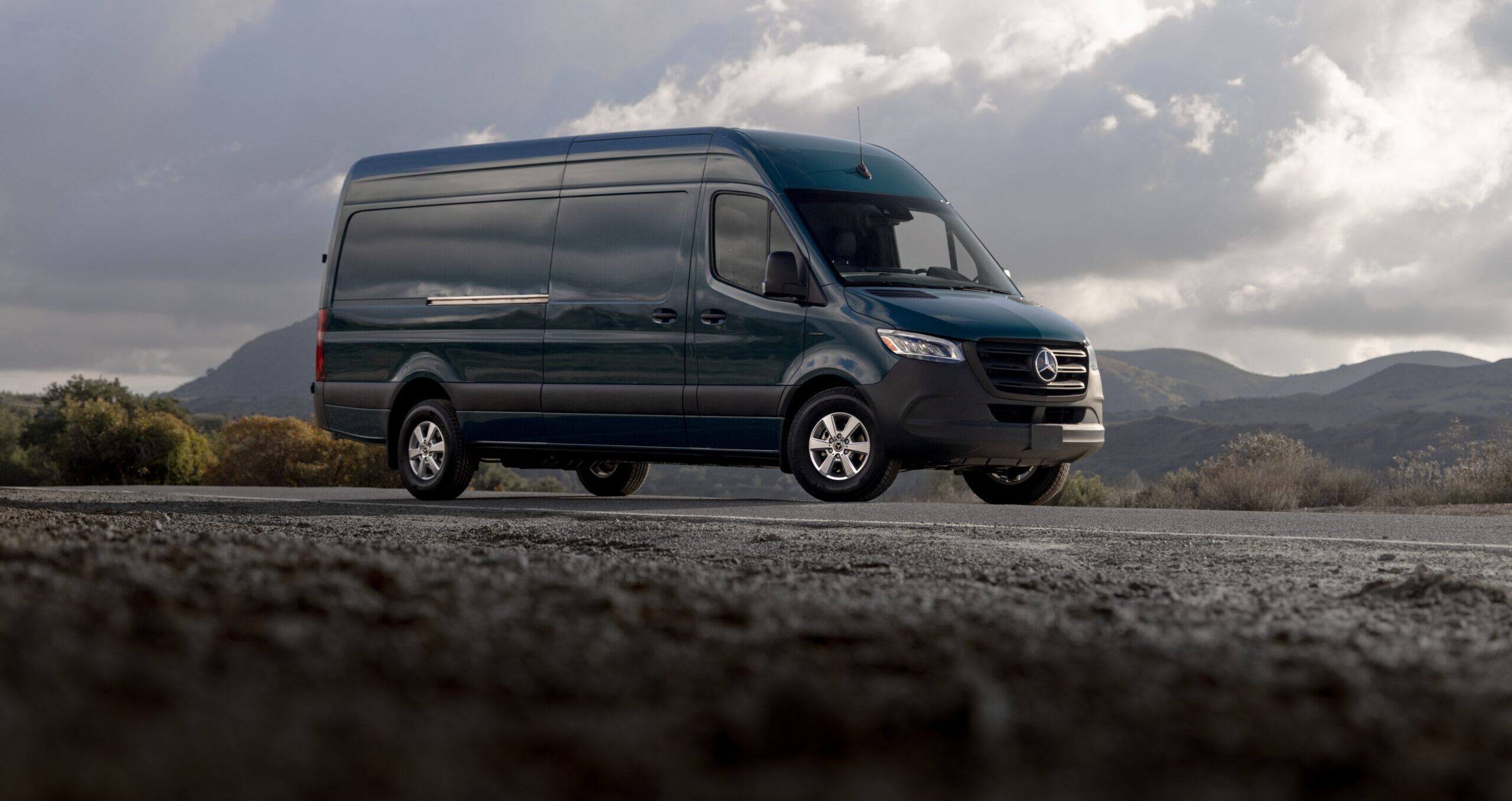
The 2025 Mercedes-Benz eSprinter represents a significant evolution in the commercial van segment, bringing full electric propulsion and premium engineering to a vehicle class historically dominated by internal-combustion workhorses. Designed to meet the needs of diverse buyers—from fleet operators and delivery services to campers and conversion enthusiasts—the eSprinter blends Mercedes-Benz’s core values of durability, refinement, and technology with the benefits of electrification. In a marketplace increasingly prioritizing lower emissions and operational cost savings, the eSprinter stands out as both a practical work tool and a modern alternative for zero-emission mobility.
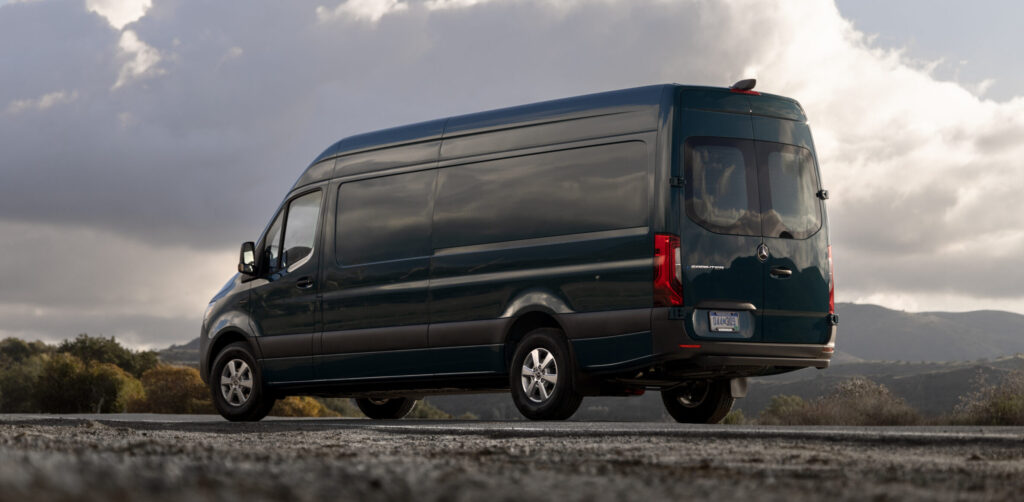
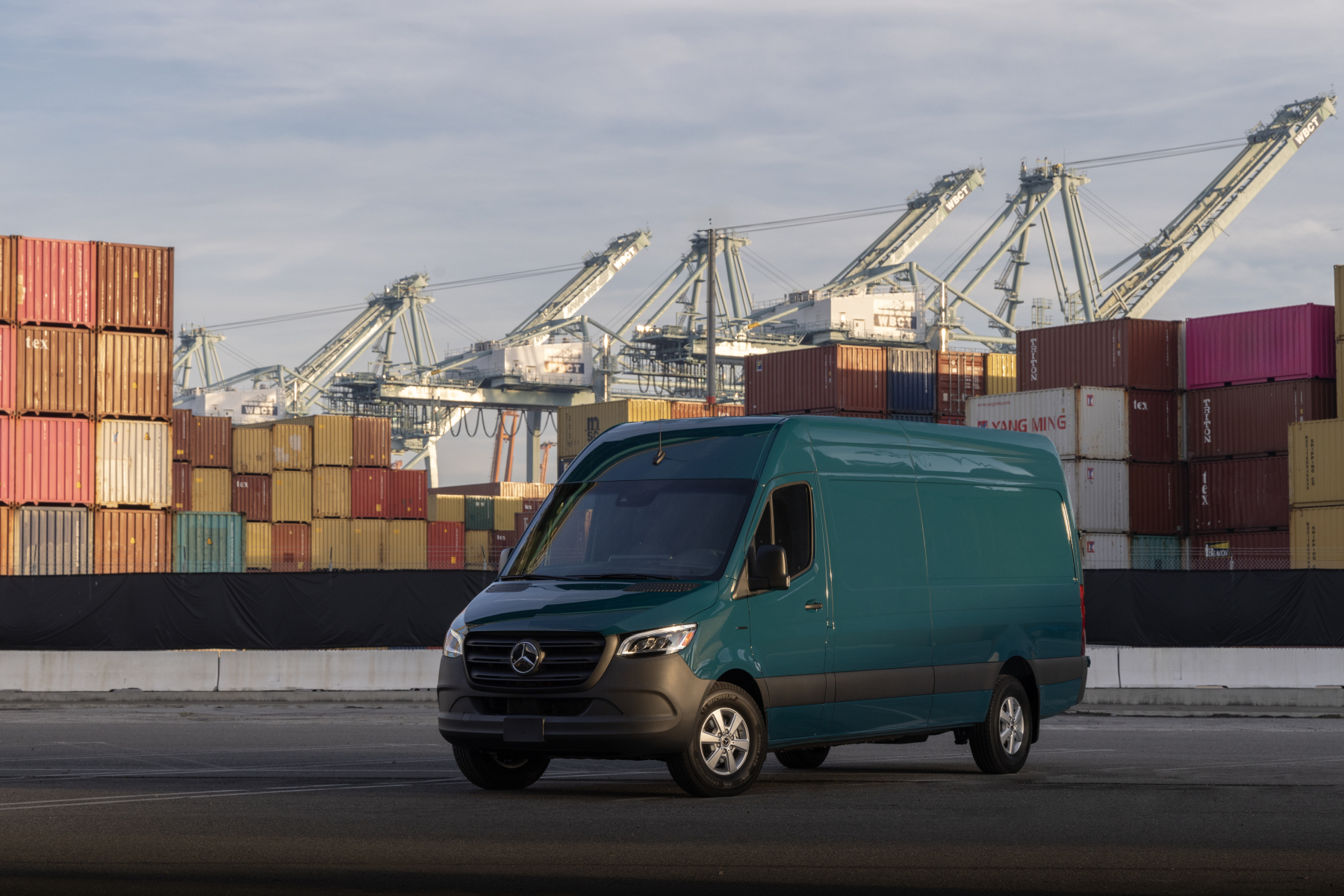
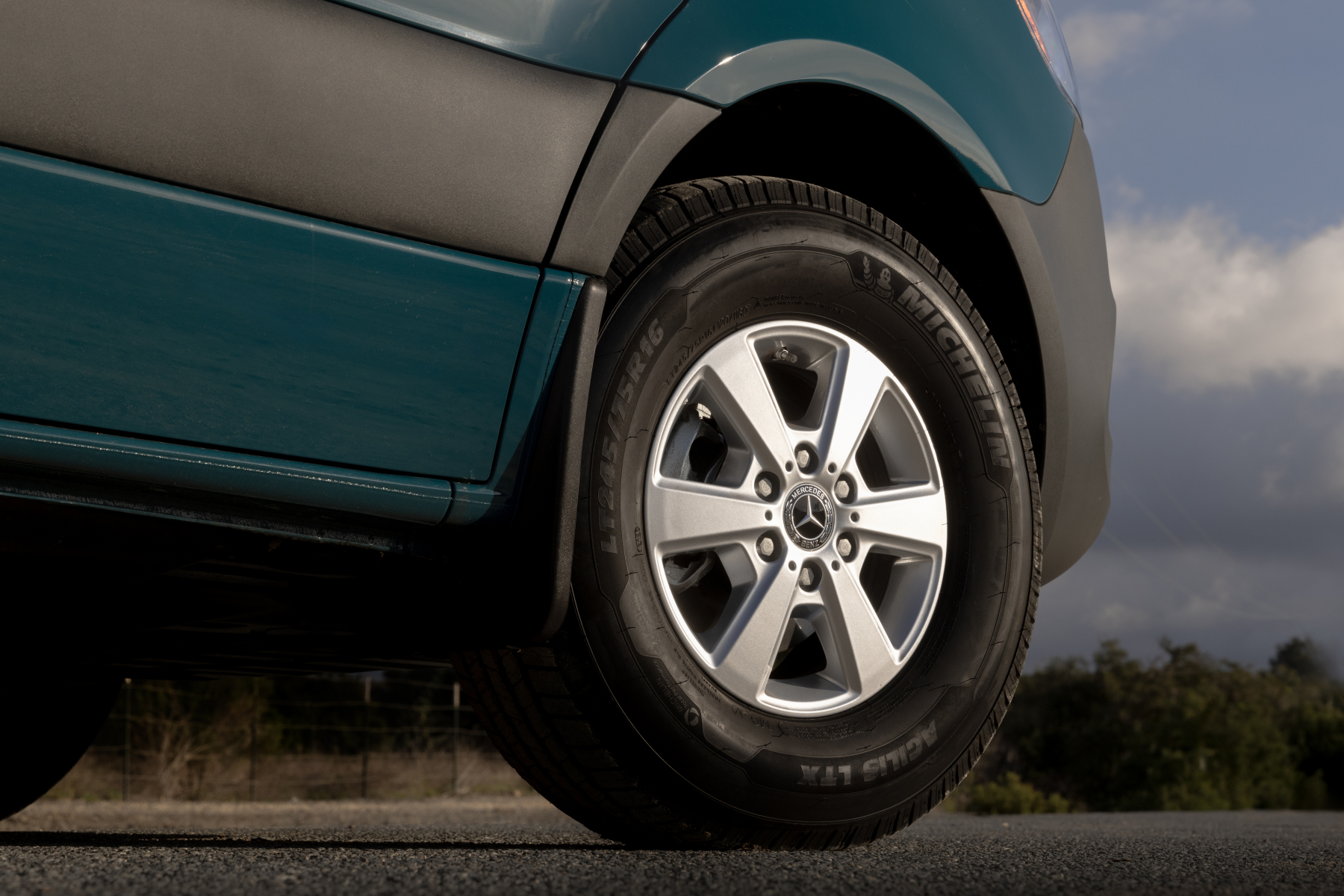
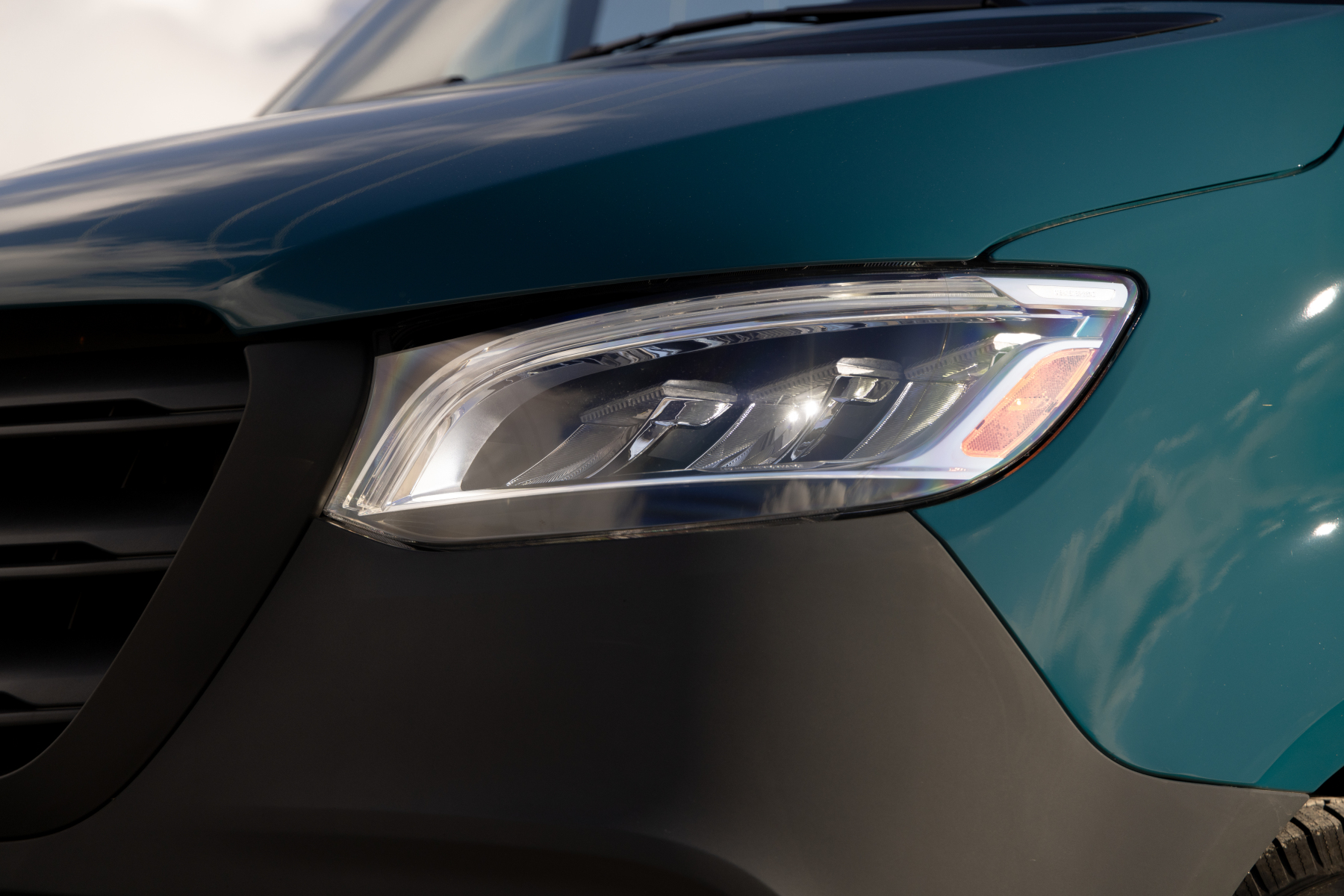
Visually, the 2025 eSprinter retains the unmistakable silhouette of the Sprinter family while integrating design elements that speak to its electric identity. The overall body shapes—available in multiple lengths and roof heights—remain instantly recognizable, preserving the Sprinter’s functional profile that maximizes cargo volume and modular adaptability. The front end receives subtle EV-centric touches, including a more closed-off grille, refined LED headlights with signature daytime running lights, and aerodynamic features that help reduce drag and optimize range. Depending on body variant, wheel designs range from practical steel wheels to more stylized alloys, but all maintain a coherent design language that balances utility with a modern aesthetic. The absence of tailpipes and the simplified rear bumper further signal the eSprinter’s electric nature without straying from the Sprinter’s established commercial presence.
Under the hood, or more accurately beneath the floor, the 2025 Mercedes-Benz eSprinter uses a fully electric powertrain engineered for the demands of commercial use. The electric motor delivers robust torque from zero RPM, a characteristic that enhances responsiveness when launching from a stop or maneuvering in tight urban environments. Specific power and torque figures vary depending on configuration and battery choice, but the electric propulsion system prioritizes smooth, immediate power delivery and confidence-inspiring performance even when the van is fully loaded. The single-motor rear-drive arrangement strikes a balance between efficiency and capability, and Mercedes engineers have fine-tuned the drivetrain to accommodate heavy cargo weights while maintaining composure and stability. With regenerative braking that can be adjusted to suit different driving conditions and load states, the eSprinter’s electric architecture integrates seamlessly into real-world tasks that involve stop-and-go operation and frequent load changes.
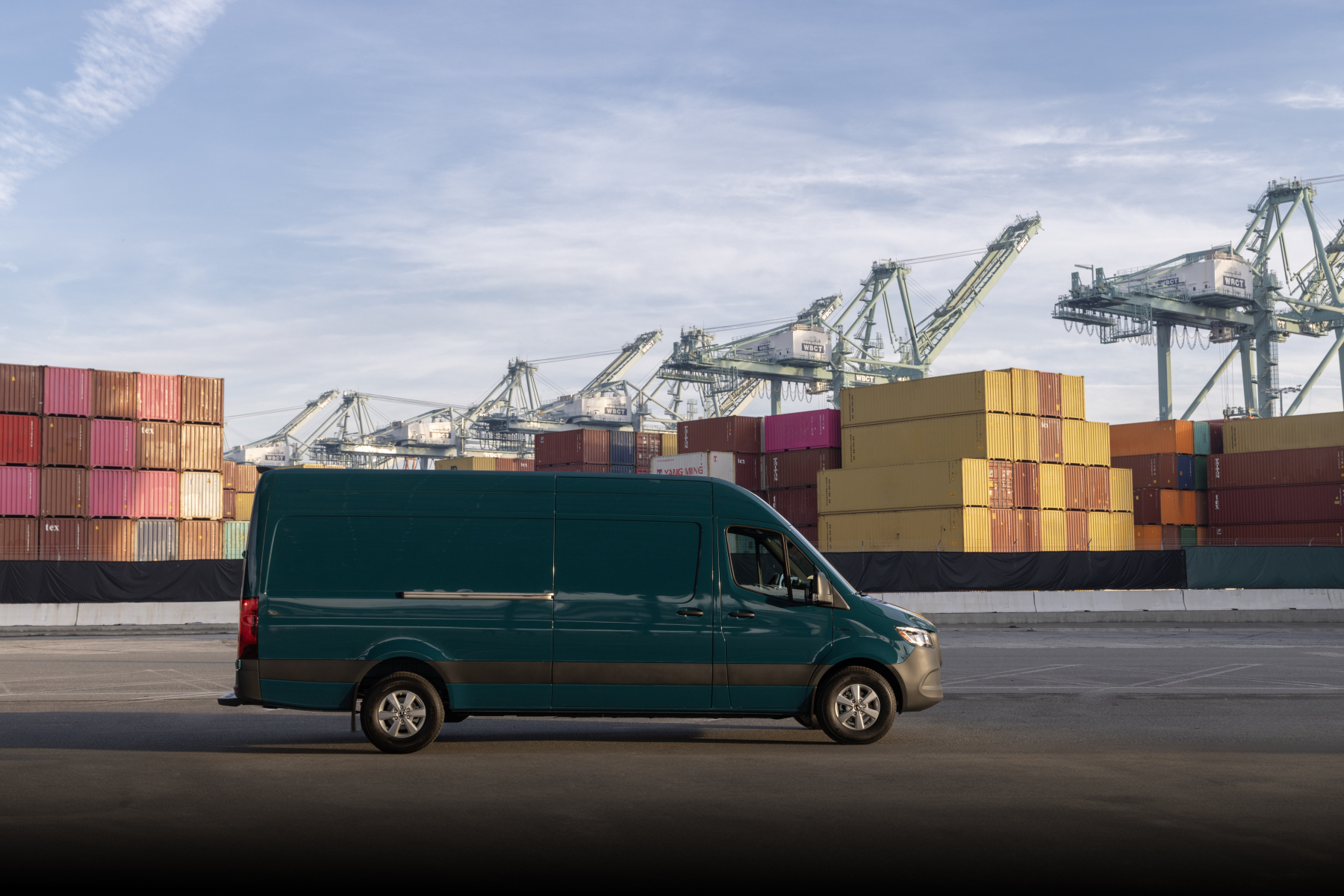

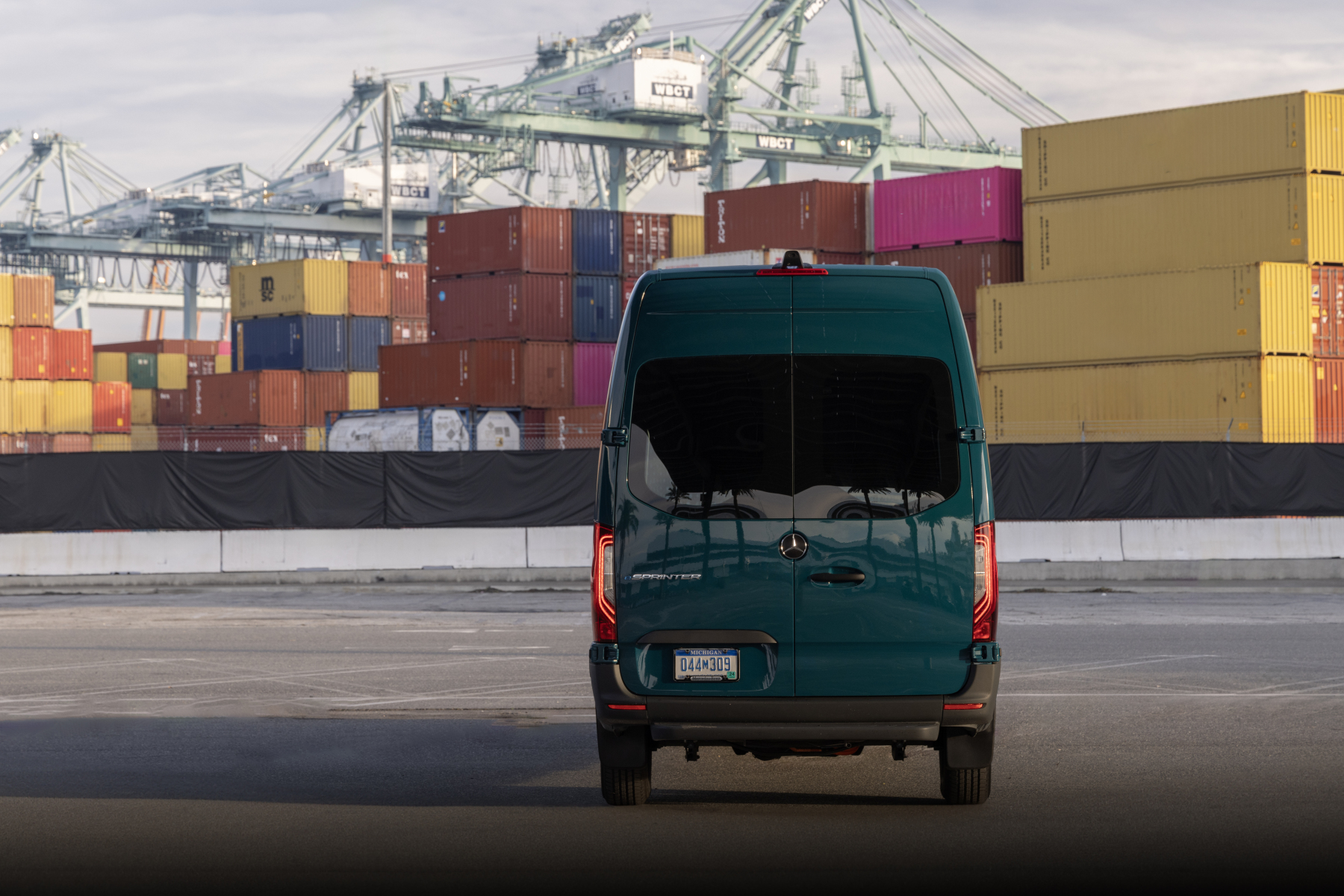
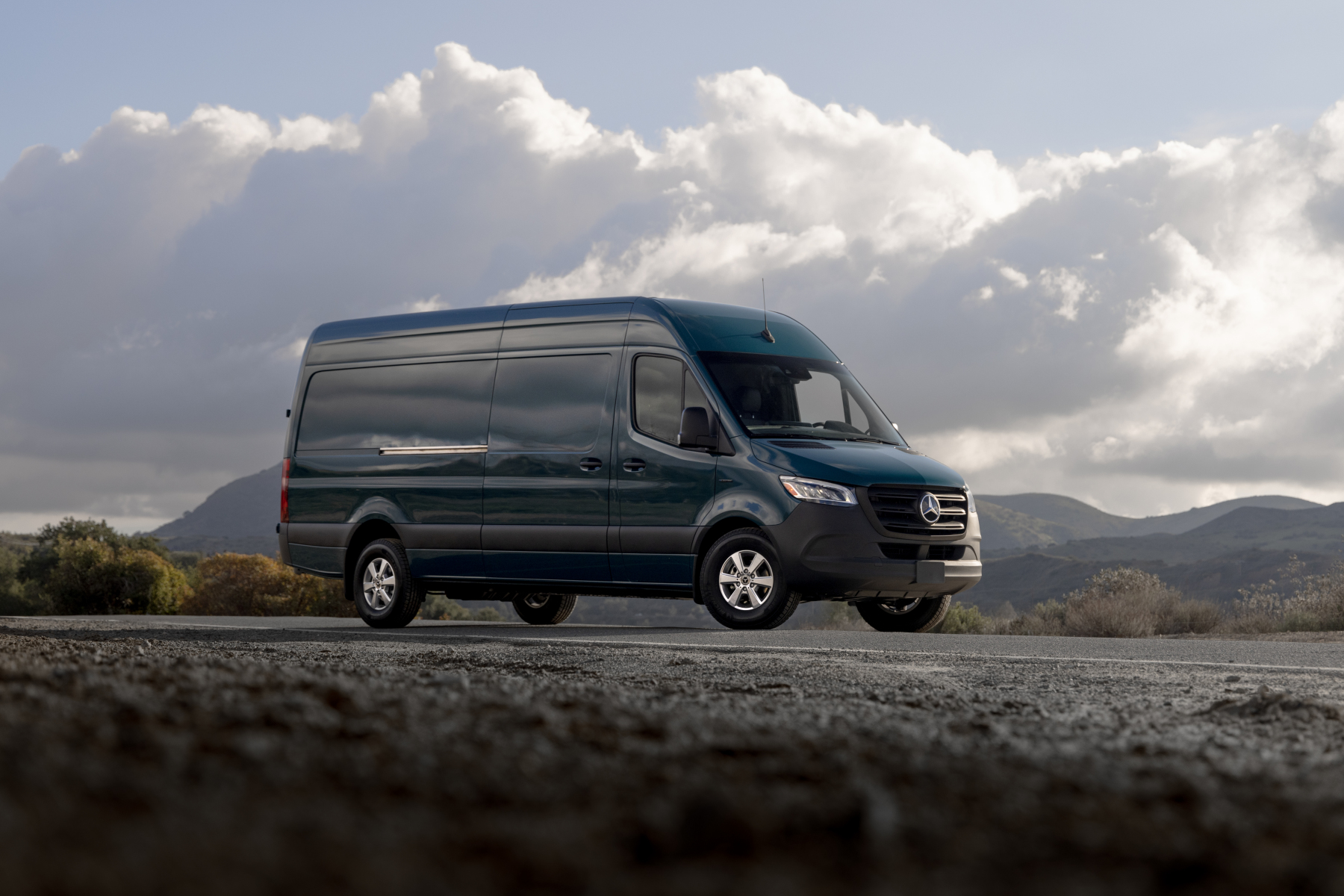
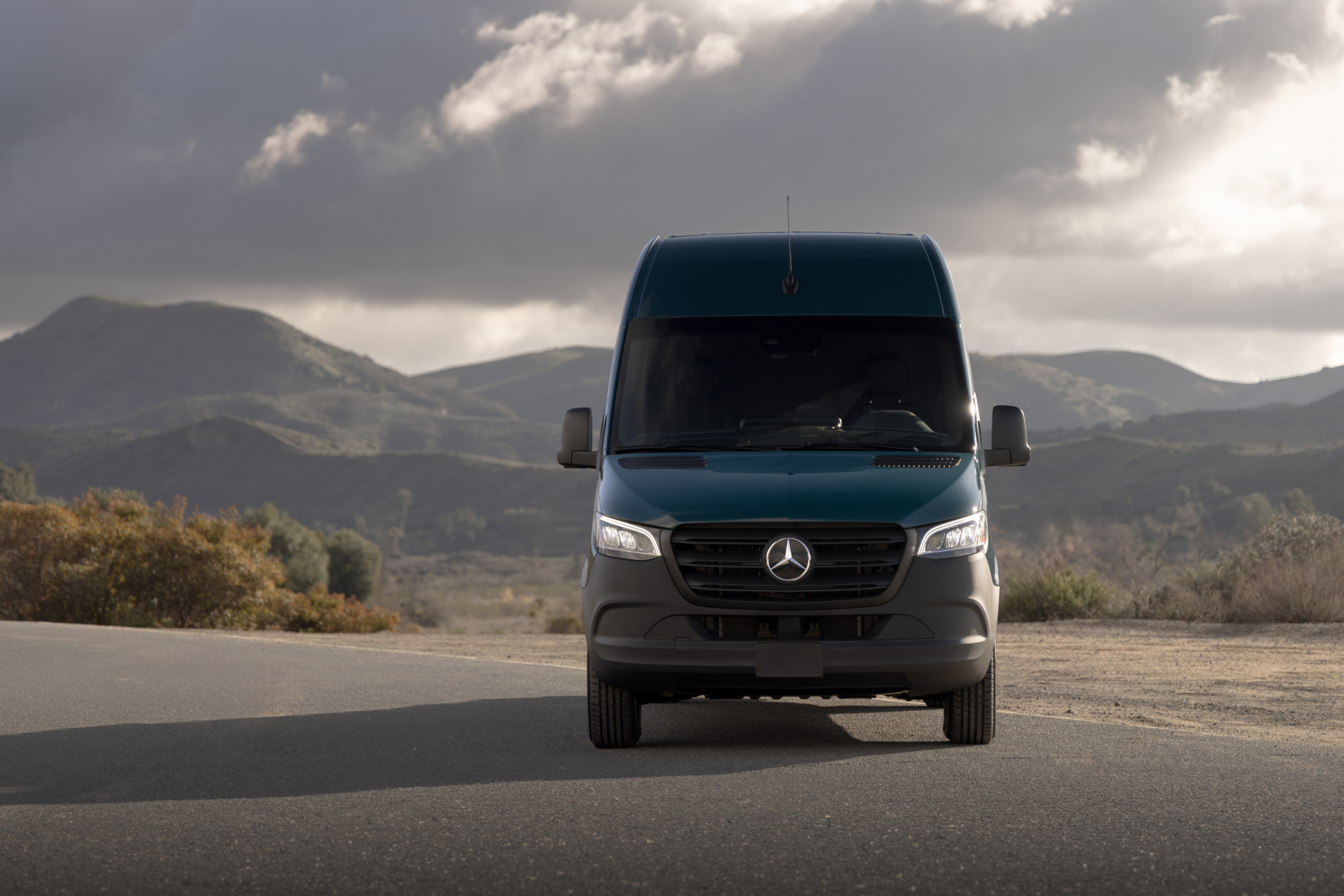
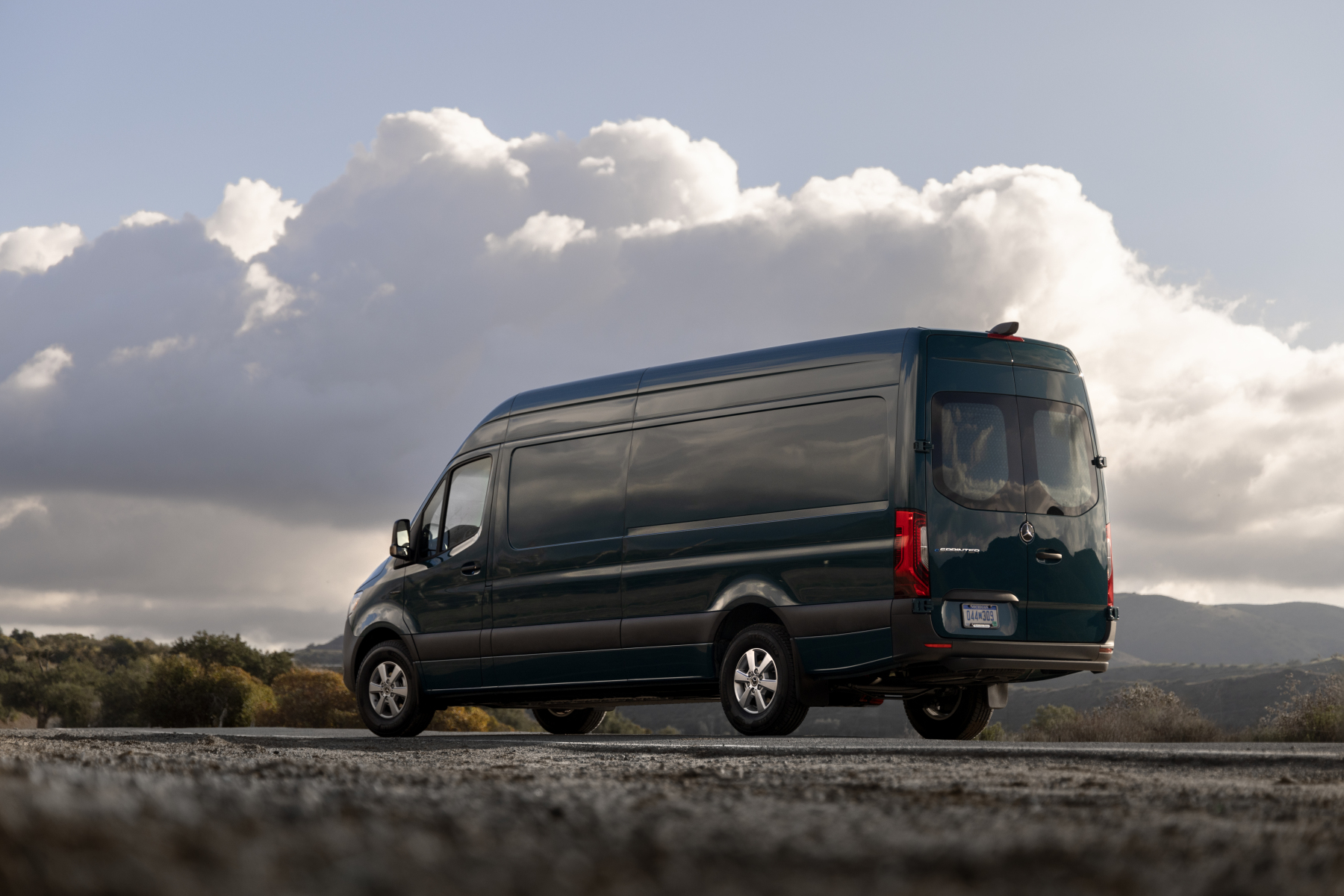
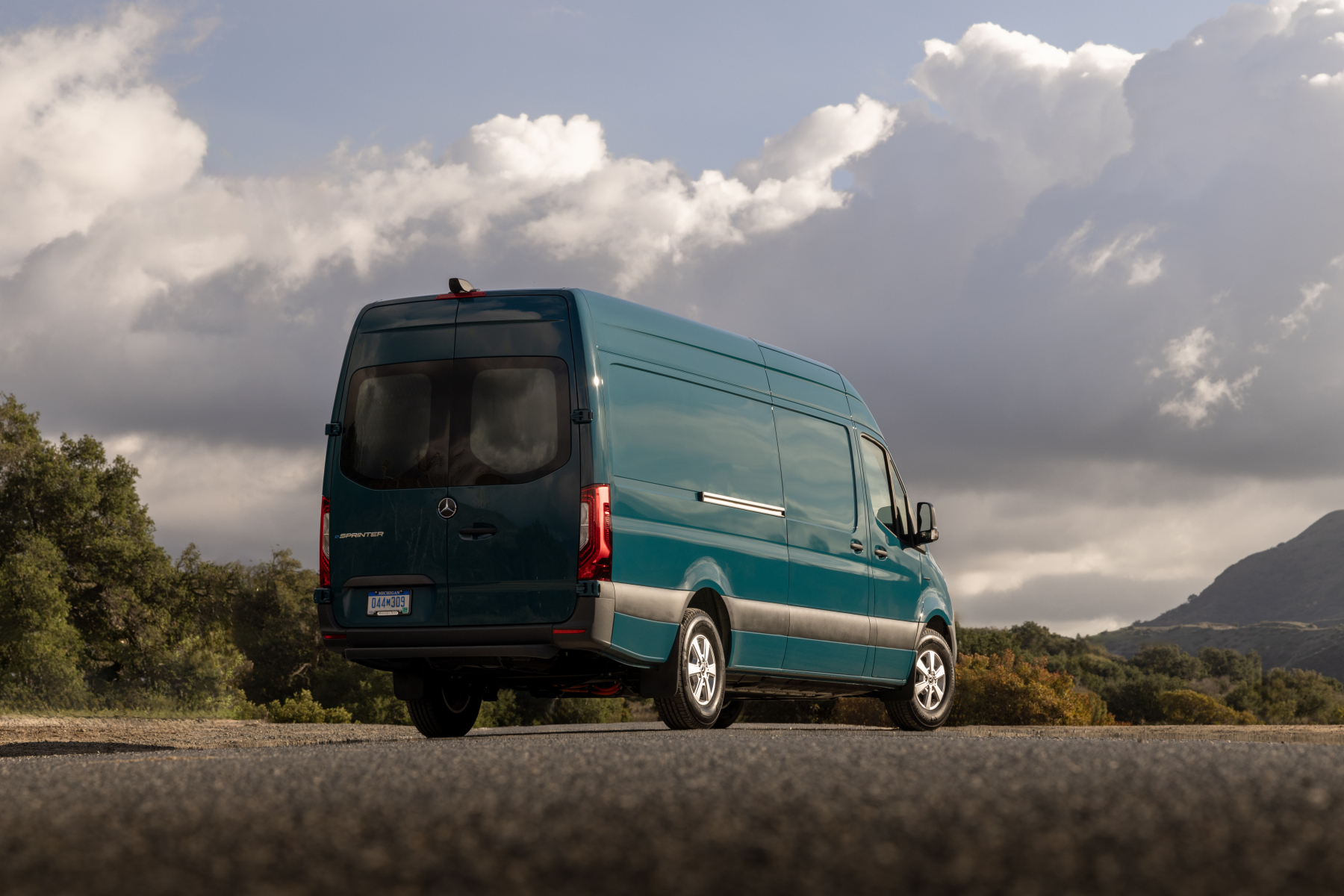
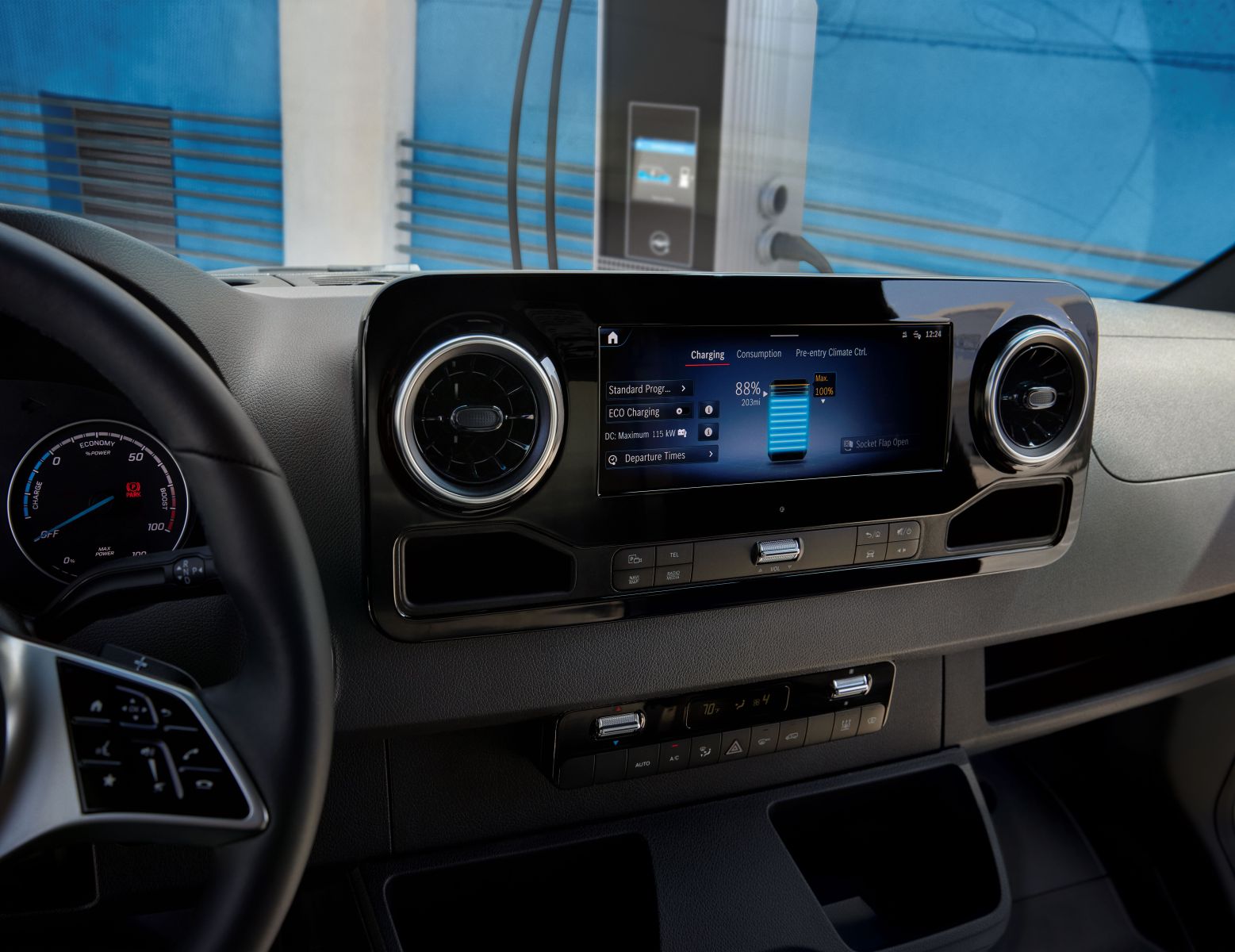
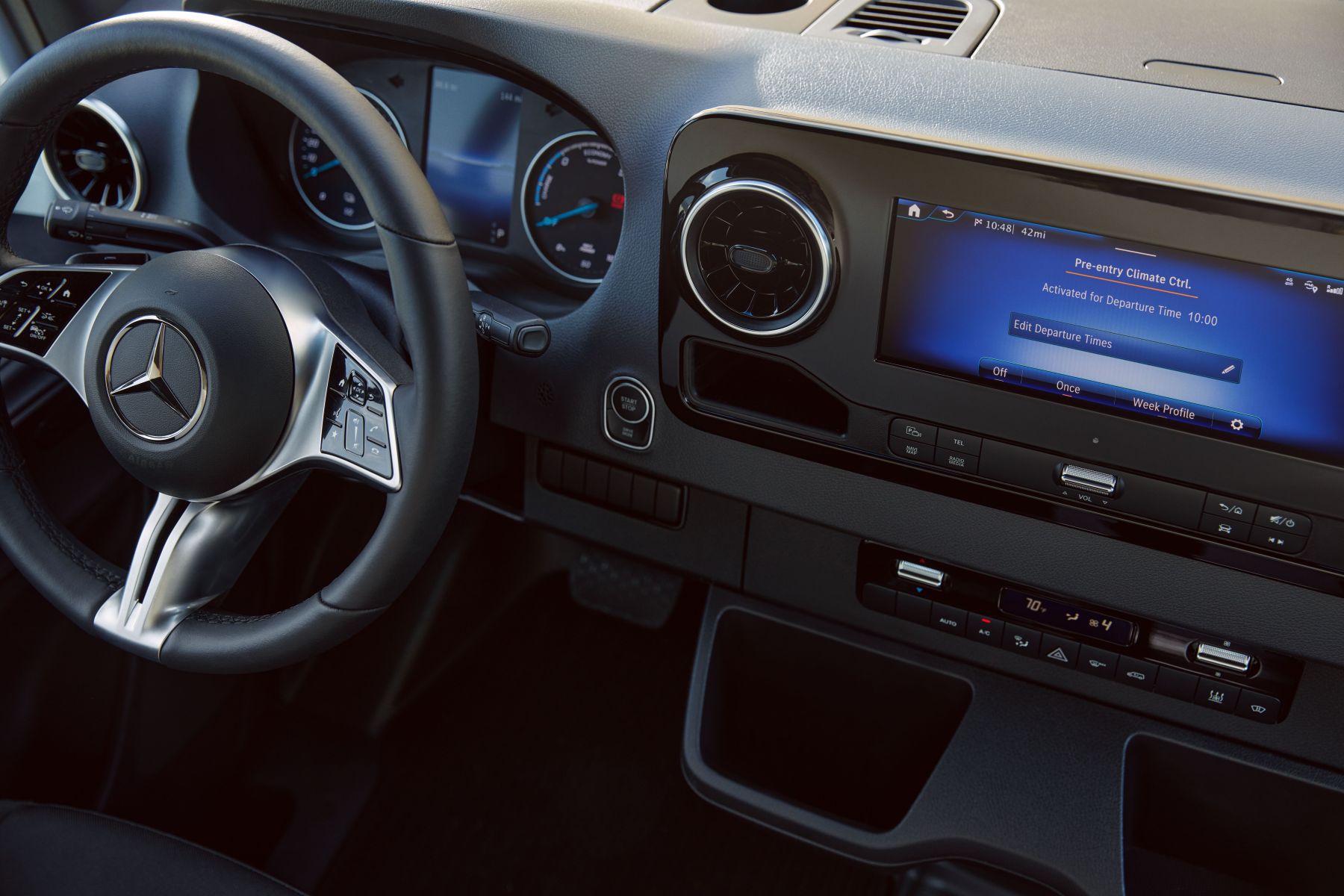
Driving impressions of the 2025 eSprinter reflect the maturity of Mercedes-Benz’s approach to electric commercial vehicles. Off the line, the electric motor’s instant torque makes merging and city traffic maneuvers effortless, a stark contrast to the lag often experienced with diesel vans. Steering is precise for a vehicle of its size, and the suspension—designed to handle heavy loads—remains composed over rough roads and highways alike. The eSprinter’s weight distribution, aided by the underfloor battery layout, contributes to its planted feel without compromising the wagon-like comfort that modern drivers expect. Noise and vibration levels are significantly reduced compared with traditional combustion engine models, creating a quieter and less fatiguing environment for long shifts behind the wheel. Whether in dense urban delivery routes or long highway segments, the eSprinter feels composed, predictable, and confidence-inspiring.
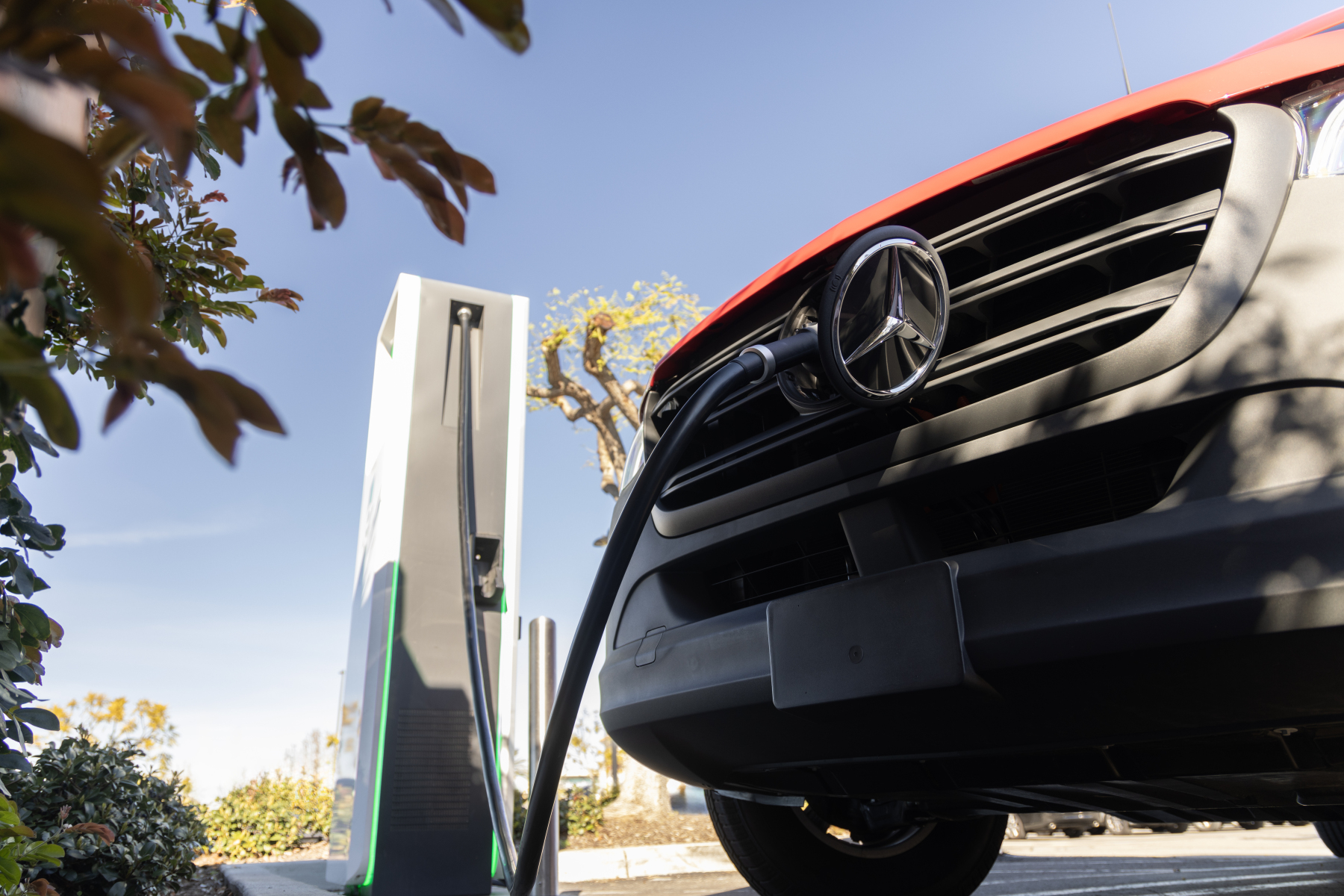
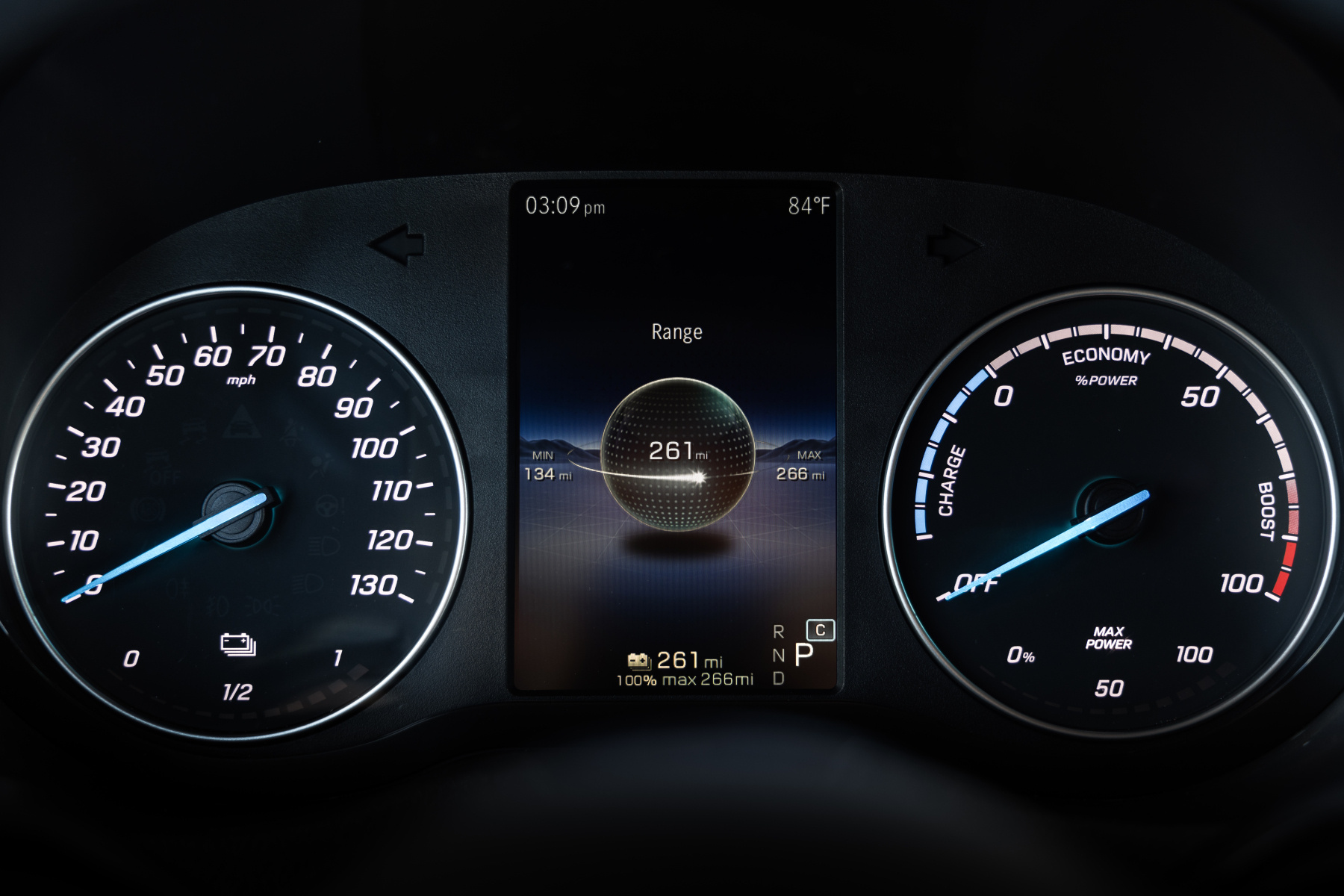
Electric range and charging performance are central to the eSprinter’s value proposition, and Mercedes-Benz equips it with an architecture designed to support demanding real-world use. Depending on battery configuration, which includes multiple capacity options, the EPA-estimated all-electric range varies but targets figures that support both daily commercial routes and medium-distance journeys. Larger battery options extend range into numbers that rival some passenger EVs, while smaller capacity choices strike a balance between payload capacity and sufficient range for typical delivery circuits. DC fast charging capability is a key strength, with the eSprinter able to accept high-power DC input that allows the battery to recharge from a low state of charge to 80 percent in competitive times for the class. Maximum DC charge rates vary with battery size and ambient conditions, but the system’s support for rapid replenishment helps minimize downtime and maximize operational efficiency. AC Level-2 charging is also supported, providing flexible overnight or depot-based recharge options that align with business workflows.
Safety remains a critical focus for Mercedes-Benz, and the 2025 eSprinter carries forward the brand’s comprehensive approach to occupant and pedestrian protection. While full results from the Insurance Institute for Highway Safety (IIHS) and the National Highway Traffic Safety Administration (NHTSA) for the electric variant are still being published, the eSprinter benefits from the Sprinter platform’s robust crash-test performance and structural integrity. Standard and available safety systems include advanced driver-assistance features such as active braking assist, blind-spot monitoring with exit warning, lane-keeping assist, crosswind assist, and adaptive cruise control with stop-and-go functionality. Additional features tailored for commercial operation, such as road sign assist and traffic jam assist, help reduce driver workload during long shifts or in congested environments. The inclusion of these systems underscores Mercedes-Benz’s commitment to both active and passive safety, reinforcing the eSprinter’s appeal for businesses that prioritize driver protection and risk mitigation.
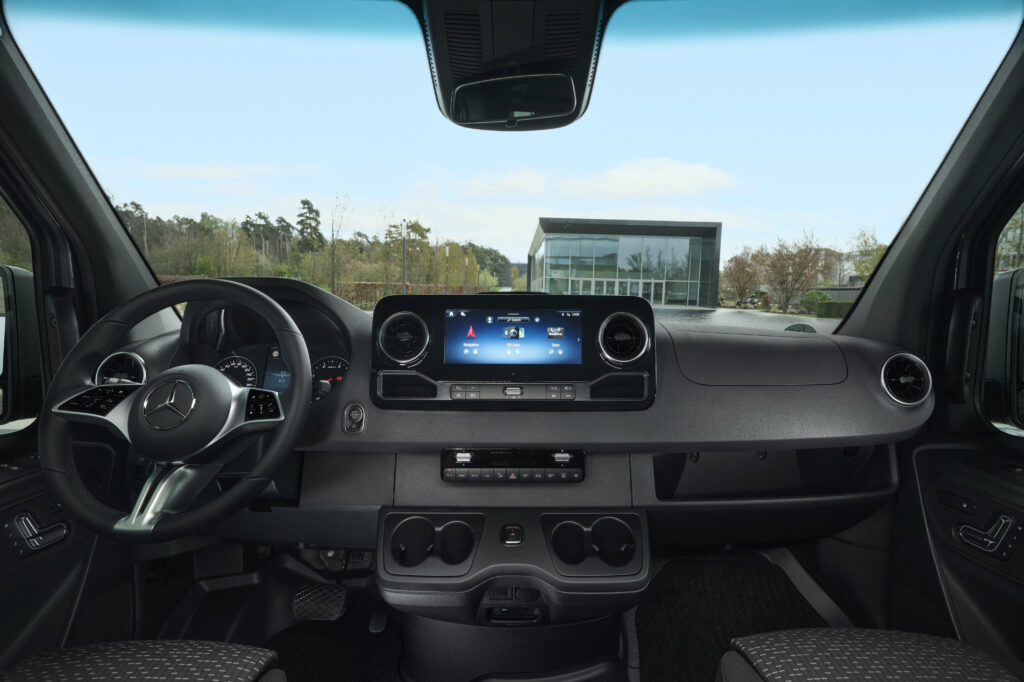
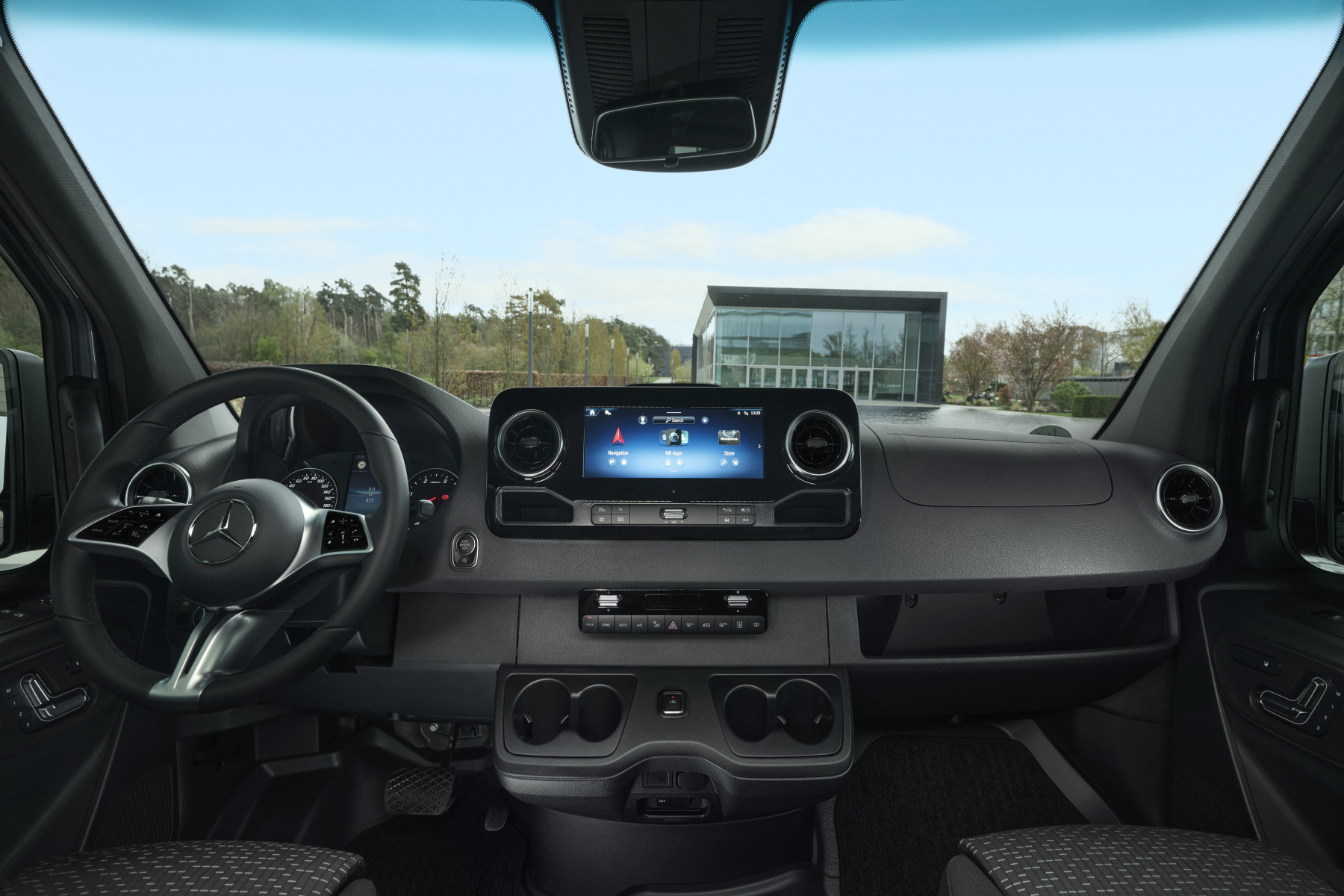
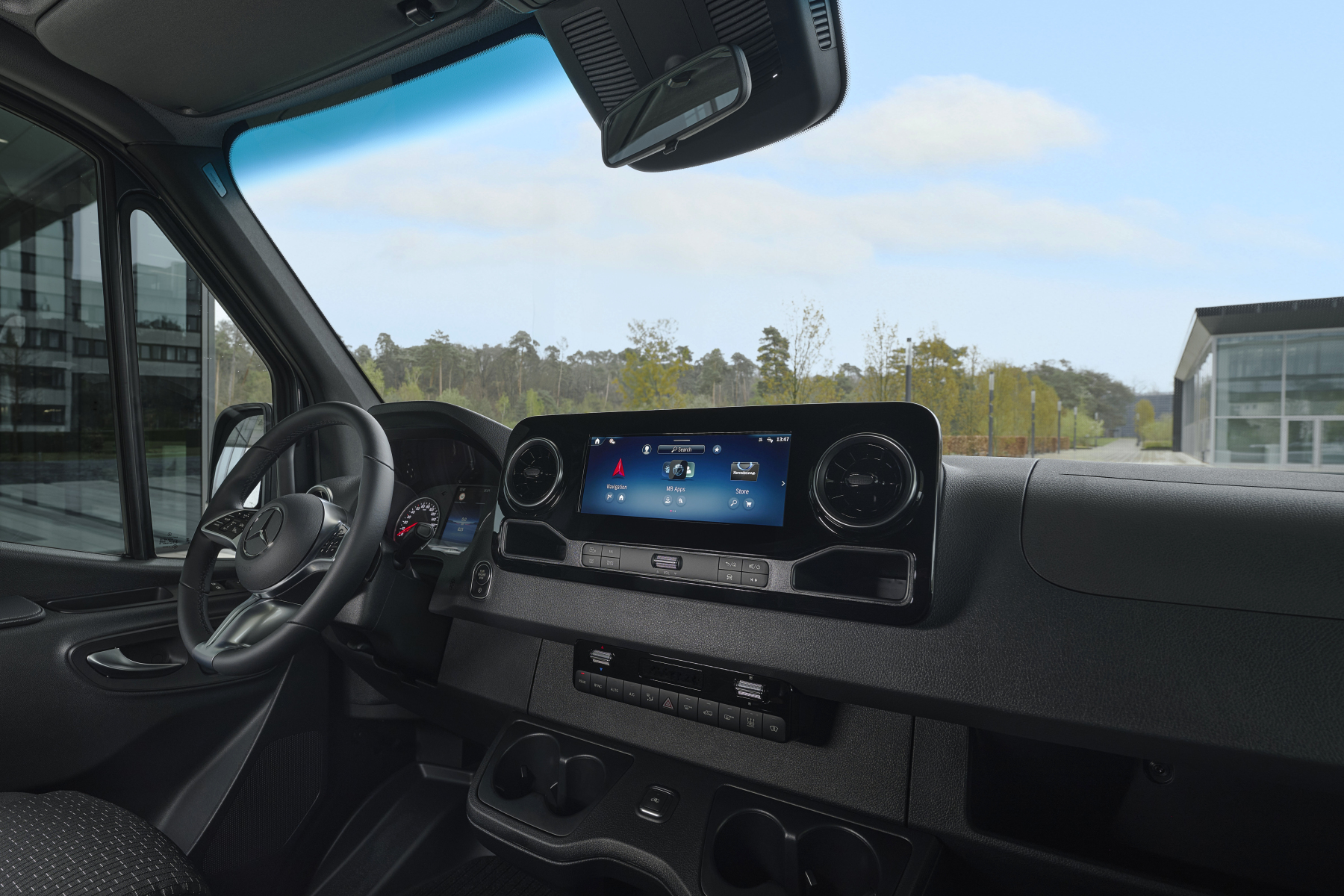
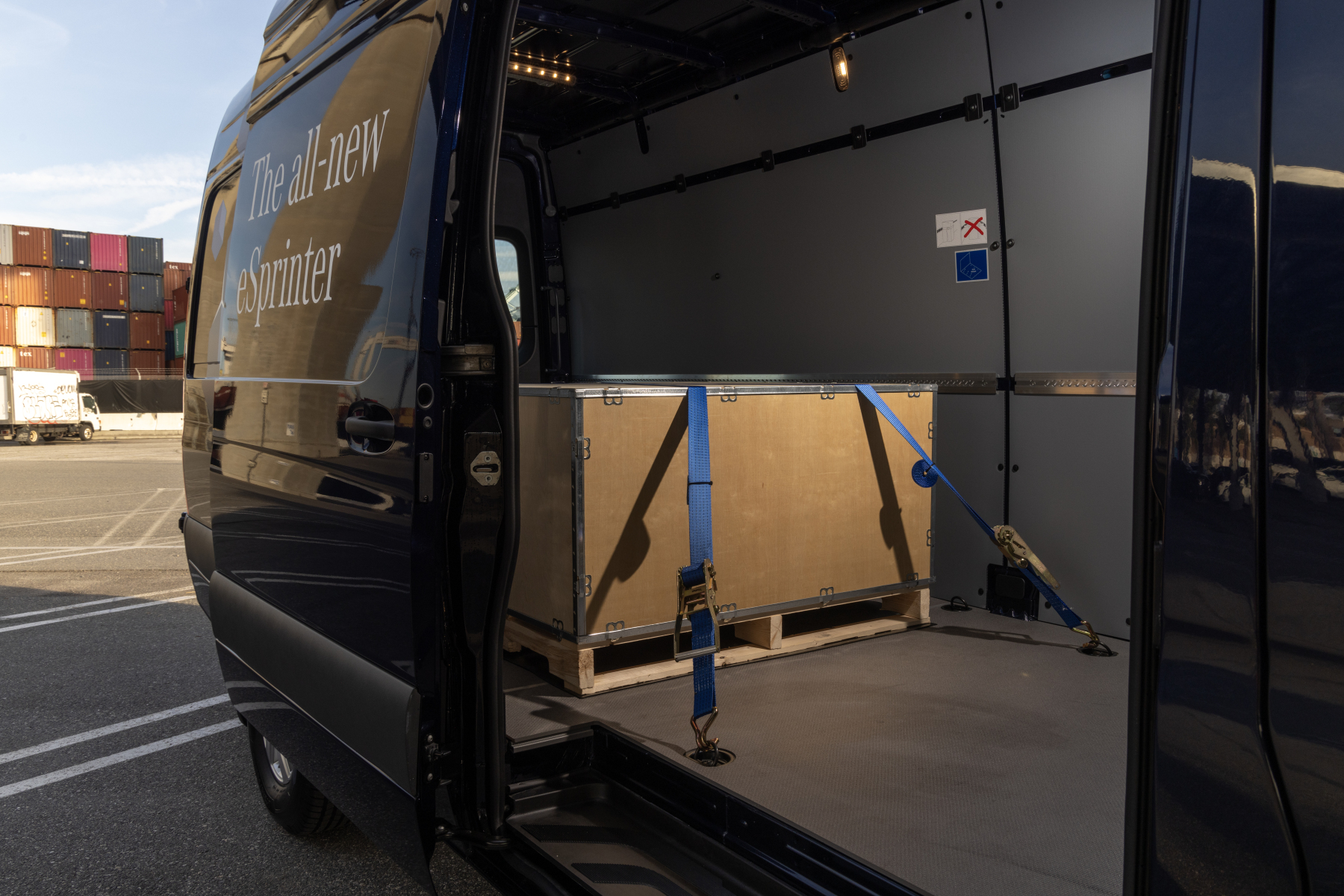
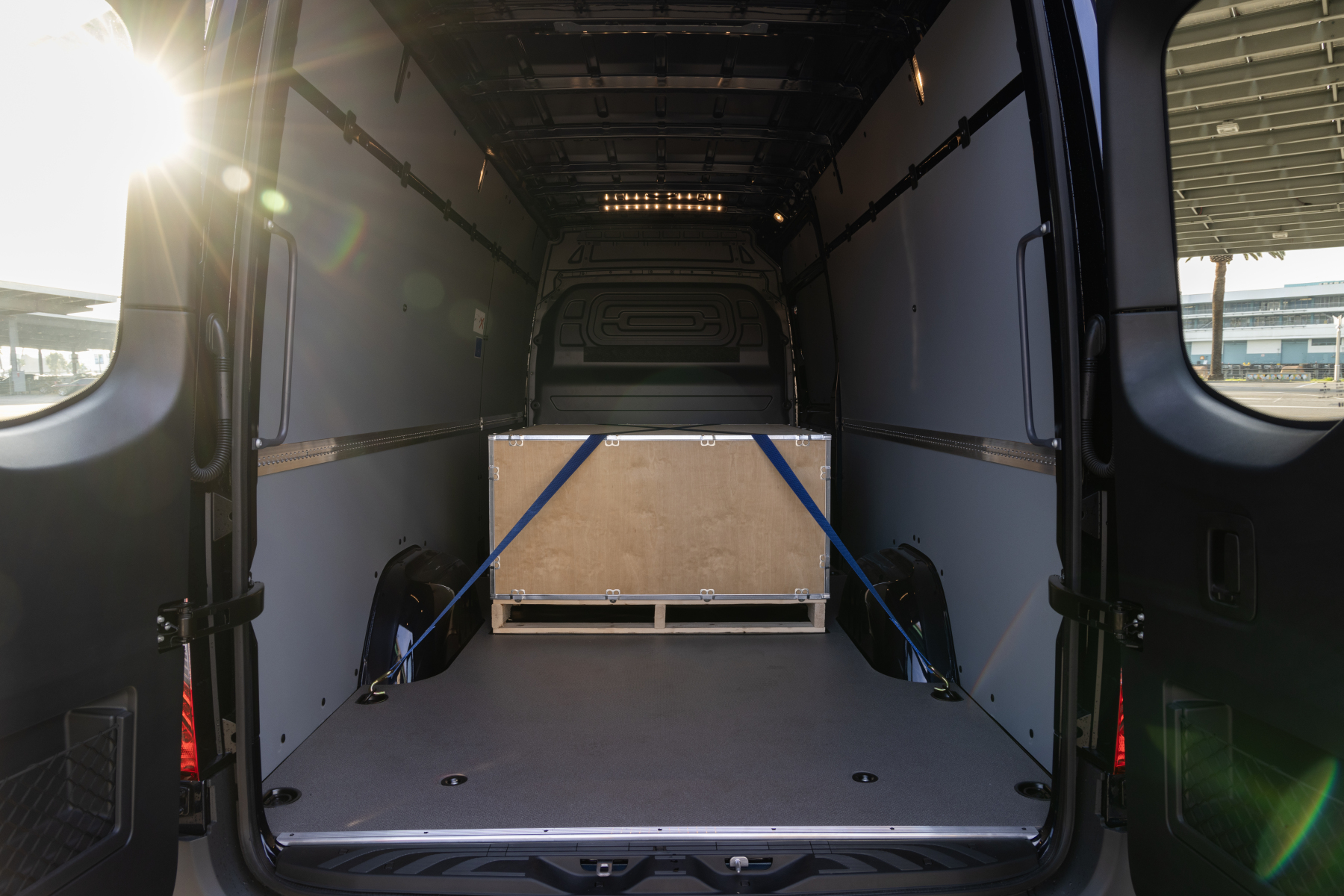
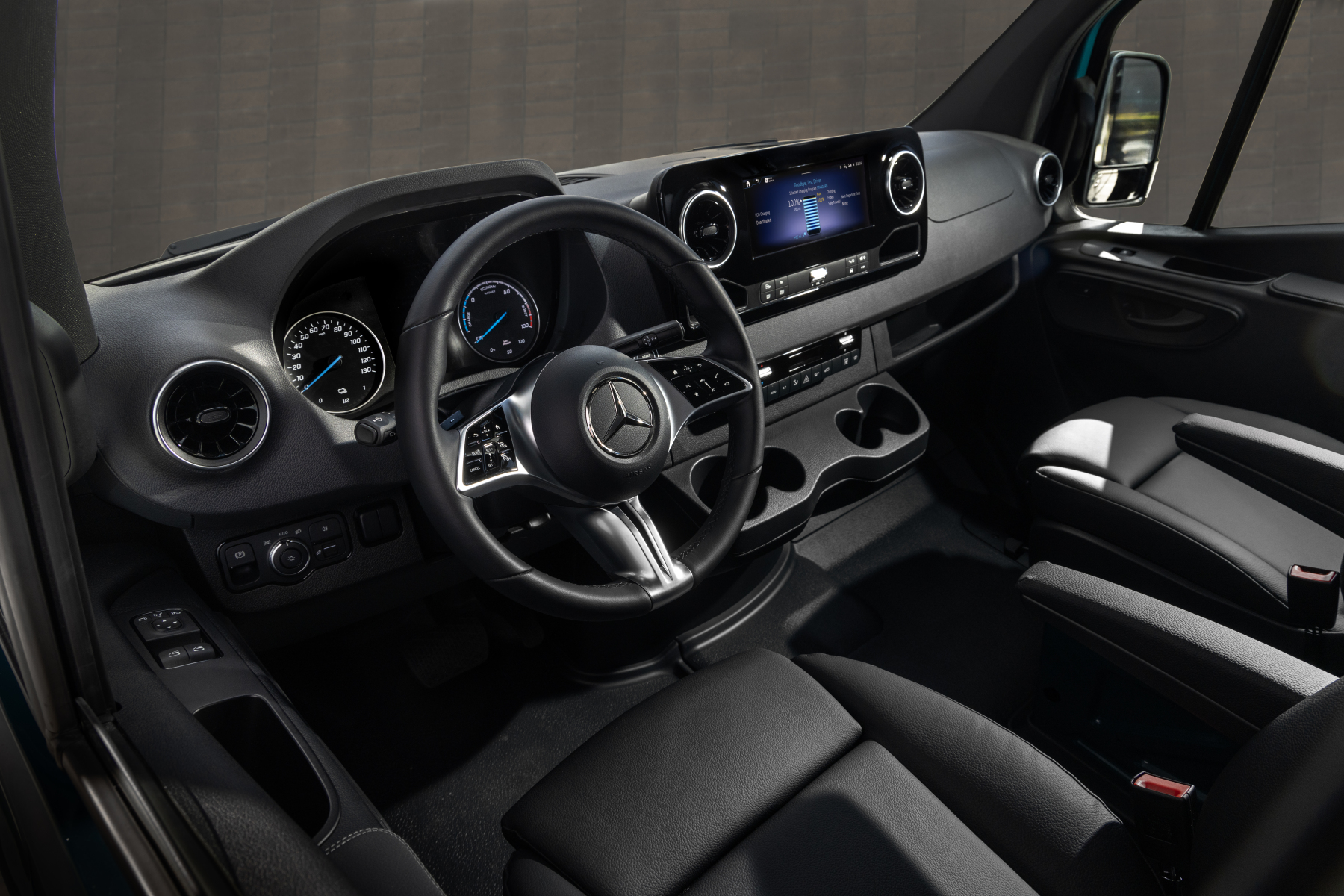
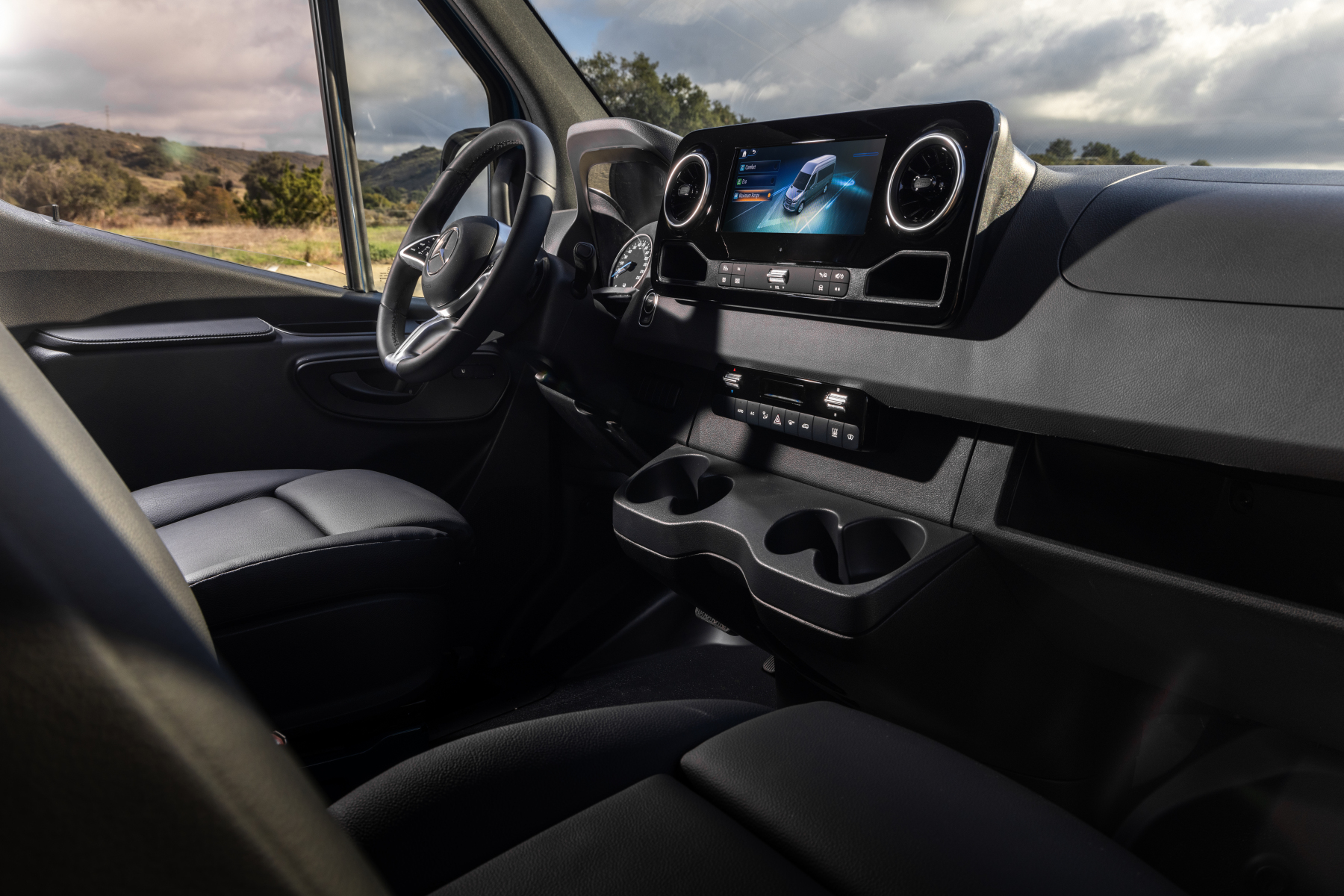
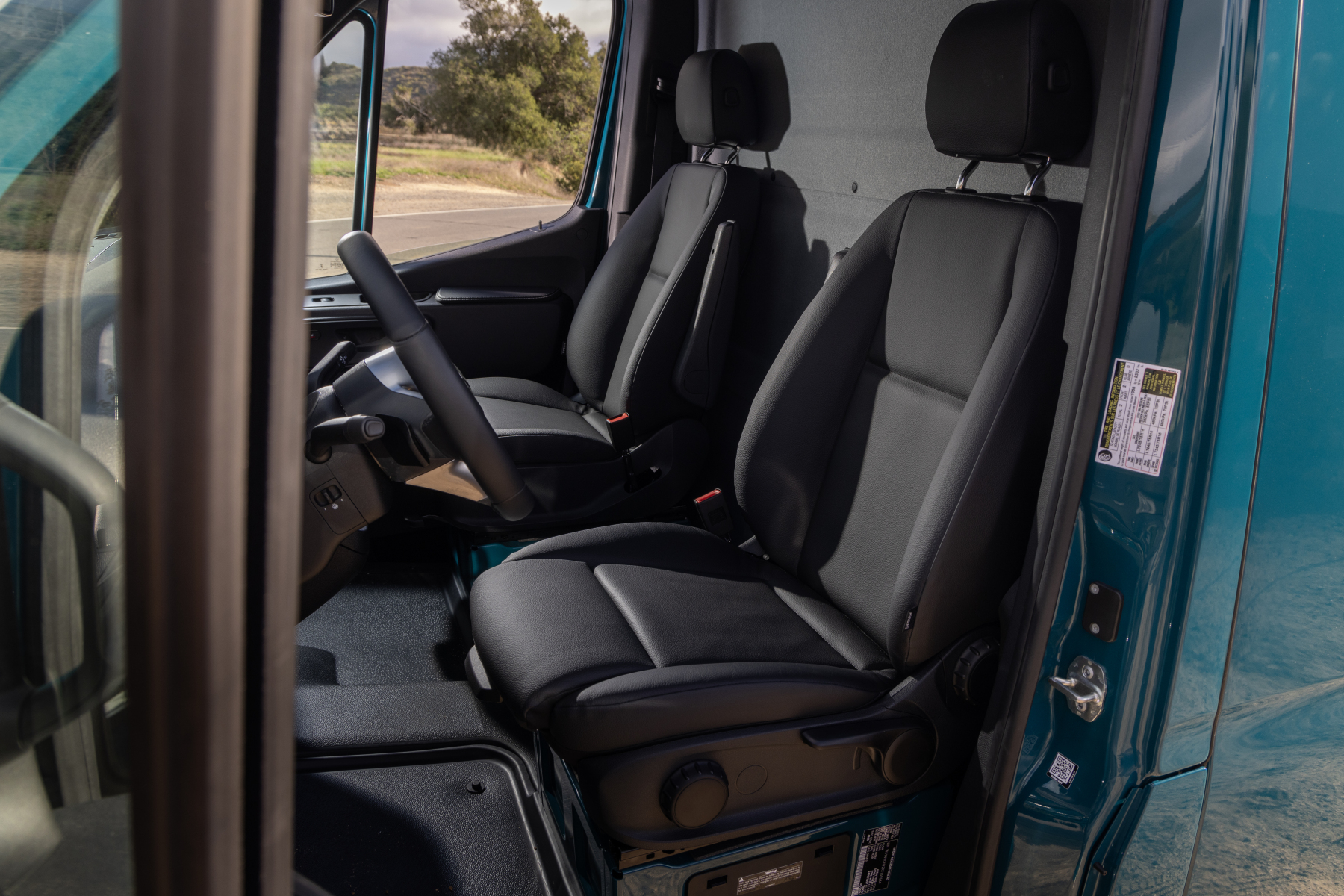
Stepping inside, the 2025 eSprinter’s interior reflects a blend of ergonomic design and functional practicality suited to its diverse use cases. Cargo variants offer expansive and configurable load areas with multiple tie-down points, optional shelving and racking solutions, and flat floors that make loading and unloading straightforward. Crew van versions introduce comfortable seating for passengers with thoughtful storage solutions and easy-to-clean surfaces. The driver’s cockpit is designed with hours-long use in mind, featuring a commanding view of the road, logically arranged controls, supportive seating, and ample adjustment range. Soft-touch materials and quality trim choices elevate the experience, particularly in passenger-oriented variants or higher trims where comfort and refinement are prioritized. Cargo capacities remain best-in-class for many layouts, and flexibility is enhanced by sliding doors, wide-opening rear doors, and low step-in heights that support frequent access.
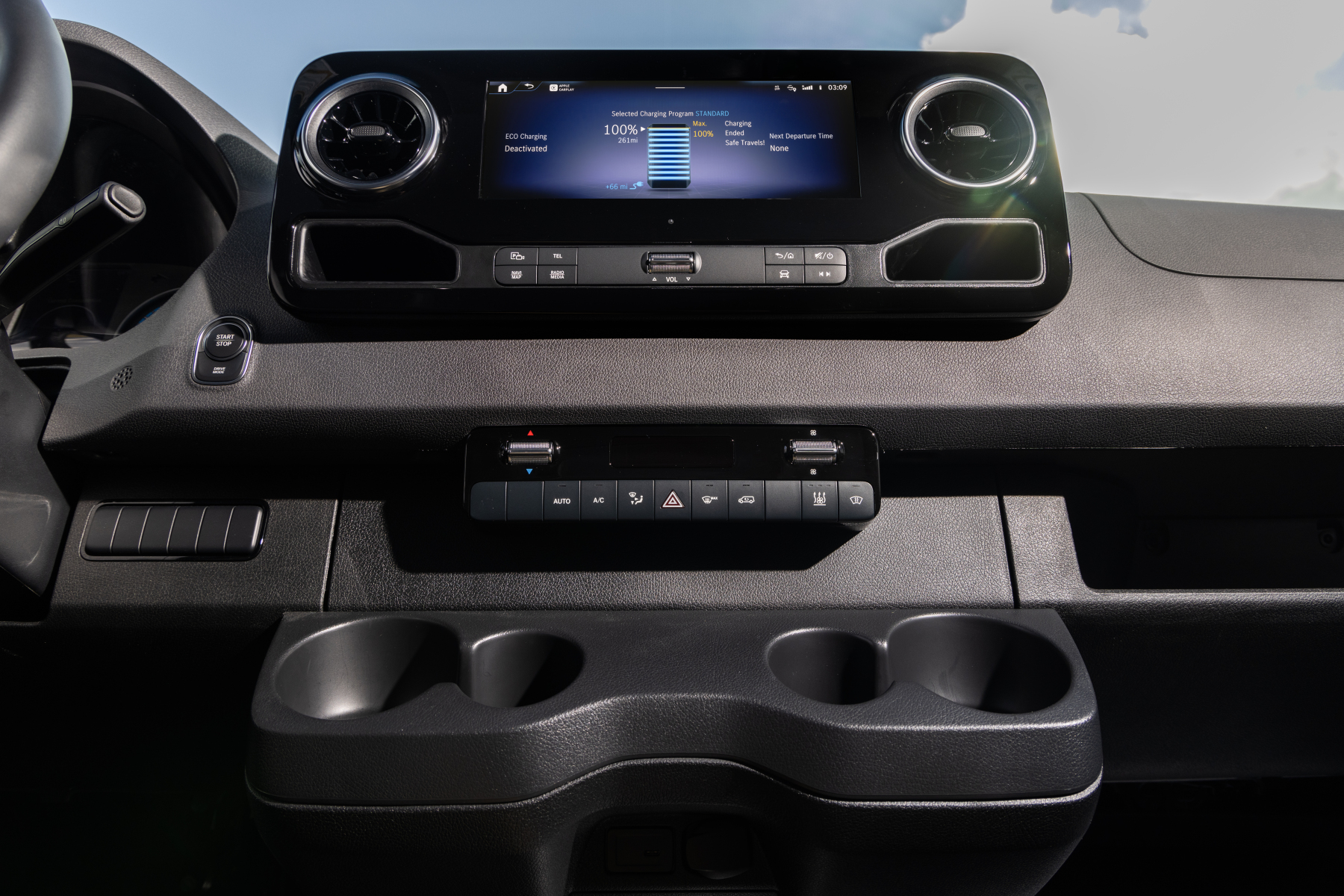
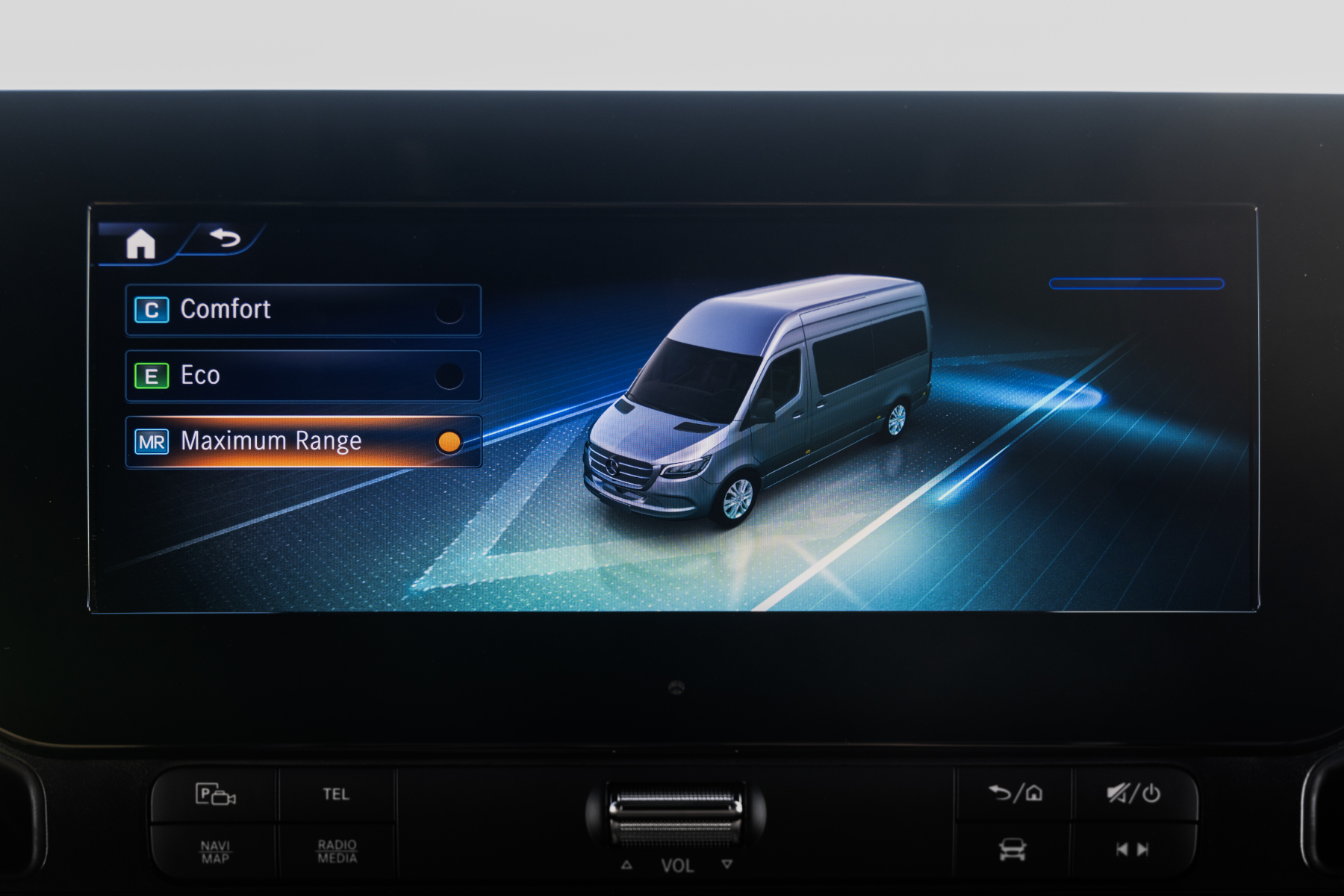
Technology in the 2025 eSprinter is tailored to both commercial productivity and driver convenience. A central touchscreen infotainment system features crisp graphics, intuitive menus, and connectivity options such as Apple CarPlay and Android Auto for seamless integration of mobile devices. Navigation systems are optimized for van dimensions and weight, ensuring accurate route guidance that accounts for vehicle size and load. Optional telematics systems support fleet managers with real-time tracking, predictive maintenance alerts, and operational analytics that help streamline business workflows. Advanced audio systems, wireless charging pads, multiple USB ports, and driver-oriented digital displays round out the cabin technology package, ensuring the eSprinter feels as modern as many passenger vehicles despite its work-focused purpose.
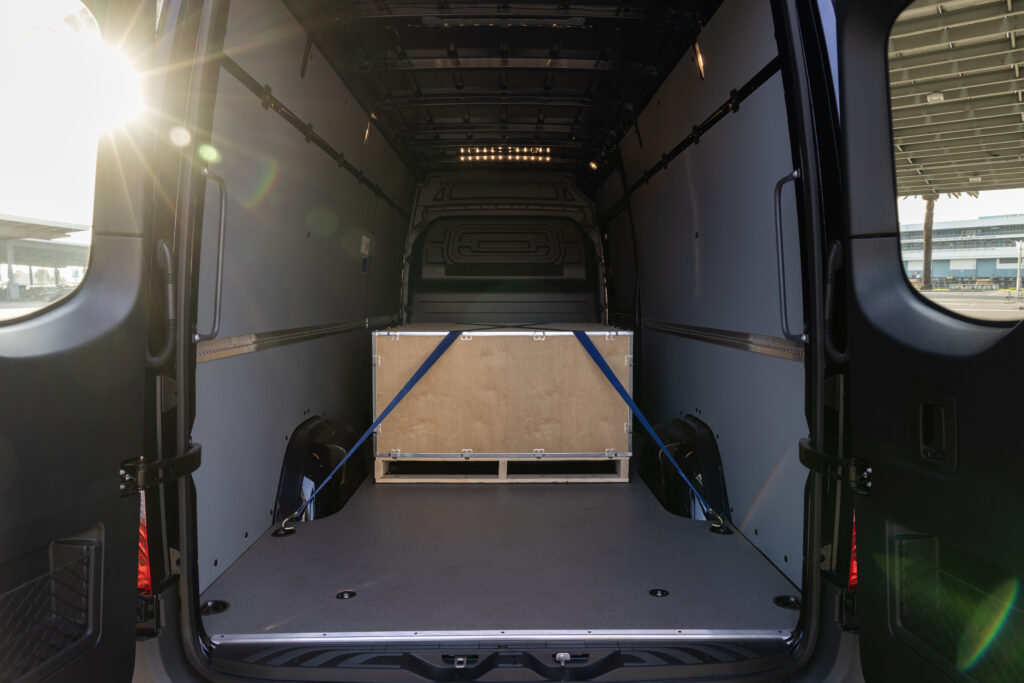
The 2025 Mercedes-Benz eSprinter is offered in a wide array of variants to meet diverse requirements. Multiple body lengths and roof heights are available, including standard, long, and extra-long wheelbase options paired with low, medium, and high roof configurations. Cargo van, crew van, and passenger-oriented setups ensure that buyers can tailor the vehicle to their specific use case—whether that’s parcel delivery, trades work, shuttle service, or customized leisure builds such as camper conversions. Pricing reflects this versatility, with base commercial models positioned competitively for fleet buyers, and higher-end or passenger-focused trims commanding premiums that reflect their added comfort, technology, and convenience features. Options and packages further enhance configurability, allowing buyers to select advanced safety, luxury interior appointments, or specialized cargo management systems as needed. The breadth of lengths, roof heights, and variants ensures that the eSprinter can be scaled to fit virtually any application without compromising capability or refinement.
The 2025 Mercedes-Benz eSprinter represents a robust and thoughtfully engineered entry into the growing electric commercial vehicle market. Its combination of electric efficiency, practical driving range, rapid charging capability, advanced safety systems, and versatile interior configurations positions it as a leader among electric vans. Whether deployed as part of a fleet, customized for adventure travel, or used as a premium people mover, the eSprinter delivers the attributes that modern buyers demand: capability, comfort, cutting-edge technology, and strong operational value. As electrification continues to reshape commercial transportation, the eSprinter stands as a forward-looking testament to how a legacy brand can innovate without compromising the core strengths that have defined its vehicles for decades.